This article was originally published at Express Tribune
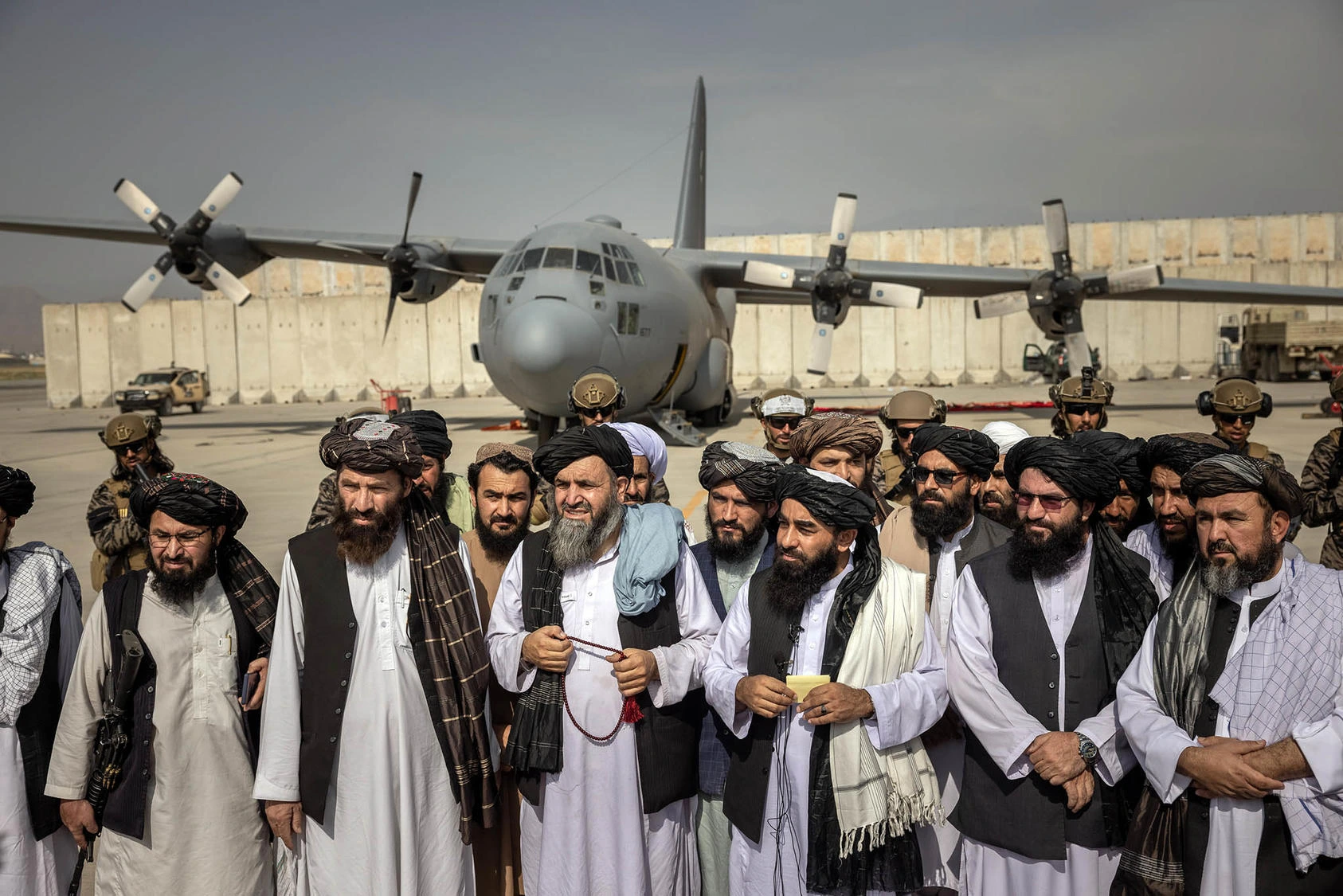
The Taliban takeover of Kabul on 15 August 2021 was met with a mix of high excitement and cautious skepticism in Pakistan. Country’s political and security establishment considered it as an opportunity to secure Pakistan’s western borders, hoping that the Taliban regime will address its two longstanding core concerns – rolling back Indian influence; and denying sanctuaries to militant groups targeting Pakistan. However, four years on, Pakistani officials say their expectations proved to be pure illusions. Since the return of the Taliban at the helm in Afghanistan, security situation along Pakistan’s western border has deteriorated with every passing year. In contrast, before the Doha process gained momentum in 2020, Pakistan had largely decimated TTP.
The change of regime in Kabul infused new life into TTP. With liberty to move freely around Afghanistan, access to sophisticated weapons abandoned by Afghan National Army and flushed with cash, the group rapidly reorganised and regenerated its capabilities. Similarly, BLA that had been severely weakened due to military crackdown also reinvigorated under changed regional strategic environment. But during the period coinciding with the Taliban rule, BLA attacks in Pakistan have increased manifold in frequency and lethality.
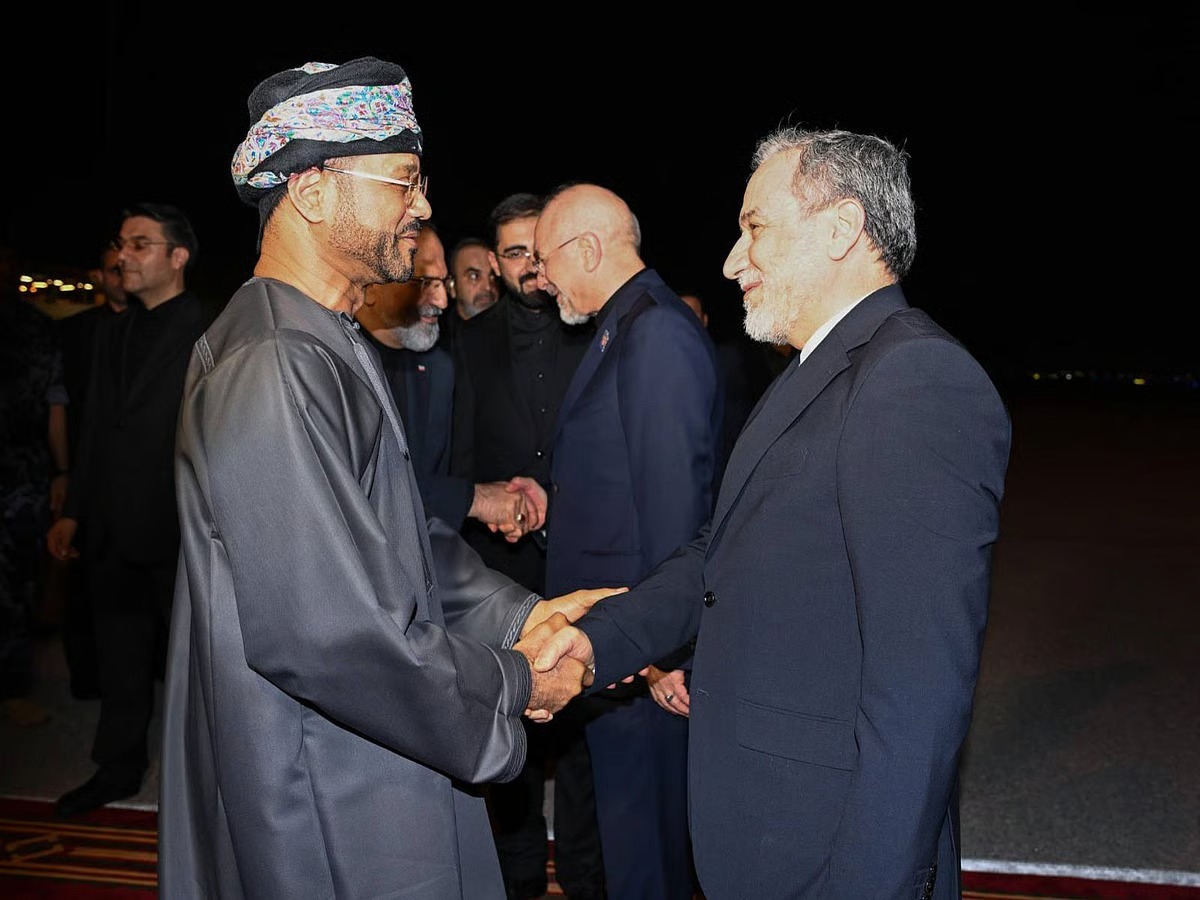
Frustrated by the worsening security situation, Pakistan has been alternating between soft and hard power measures against the present Afghan regime. Diplomatic measures like visits to Kabul by high-level officials, delegations of renowned clerics, tribal elders, parliamentarians as well as punitive actions ranging from instituting visa regime replacing open borders, closure of border crossings, suspension of trade to aerial strikes against TTP hideouts, all have failed to move Kabul against anti-Pakistan militant groups. The situation, from Islamabad’s perspective, has instead worsened, as Kabul’s assistance has gradually shifted from sheltering and providing a permissive environment to active state support to TTP. Credible intelligence exists to establish that regime security apparatus is providing financial and material support to both TTP and BLA.
Afghanistan had started sheltering and aiding anti-Pakistan militias under Karzai regime. Support substantially increased when the Ashraf Ghani government was in power. However, it never reached the levels seen under the present regime in Afghanistan. Under persistent pressure of Pakistan, Afghan regime has asked TTP fighters to shift their families away from border areas to Ghazni. However, relocation of families has not restrained TTP, as fighters return to their camps to form part of infiltration groups. Instead, it may have the opposite effect, by further emboldening militants believing their families are protected from any reprisals by Pakistan.
It is hard to discern the strategic calculus of Kabul in supporting militant groups against Pakistan, its erstwhile benefactor. Instead of developing a productive economic relationship which helps lift its people from miserable poverty, what it gains by sheltering and aiding anti-Pakistan militants is difficult to comprehend. One plausible explanation is that in essence the present Afghan government is the political face of a jihadi armed group. For such ideological groups, ideology and ethnic affinities have much greater significance than nuances of statecraft. Hence, an obligation to help TTP due to ethnic and jihadi ties, even at the cost of relations with Afghanistan’s most important neighbour. It may also be that Taliban regime doesn’t feel encumbered with responsibilities of serving people, like governments in more normal states. Then there is internal power struggle among three known power centres in Afghanistan – Kandahar, Kabul and Haqqanis. They may be hedging their bets for a possible future internecine conflict. Every group will like to have TTP with substantial combat potential on its side in another civil war. This also explains the defiance of directives by supreme leader Mullah Habitullah, forbidding any attacks against Pakistan from Afghan soil.
Lately, China has stepped in to improve relations between Pakistan and Afghanistan. Trilateral meetings among China, Pakistan and Afghanistan foreign ministers have been held in Beijing and Kabul in May and August this year. However, instead of any material progress against militant groups, before high-level visits and engagements Kabul publicises arrest of few low-level TTP functionaries, who are quietly released after the event is over. The Taliban regime security apparatus has carried out quite successful operations against ISKP, which it perceives as a threat to its rule. Yet it remains reluctant to move against TTP. This reluctance also stems from the need to avoid antagonising its foot soldiers who maintain close ethnic, religious and battlefield loyalties with the group. However, this still doesn’t explain harbouring BLA, with whom Taliban have no such affinities.
Kabul’s growing military relationship with India is another matter of concern for Pakistan. Islamabad has always seen Indian involvement in Afghanistan with great suspicion. It believes that India has no legitimate interest in Afghanistan and only seeks to use Afghan soil for destabilising Pakistan. To make matters worse, the Afghan government is seeking weapons, equipment, training and technical support for its military from India, bypassing all the capacity available across the border in Pakistan.
While the US has been concerned about the growth of ISKP, it has largely remained indifferent to other terrorist groups burgeoning in Afghanistan. Due to its global agenda and transnational network, IS is considered by the US as a threat to its interests. Whereas TTP, ETIM and BLA have not attracted the US and West’s attention due to their regional objectives.
ISKP is also a rare point of convergence between Taliban regime and the US. However, this approach may prove to be delusional. ISKP was formed from TTP when its cadre had been forced to retreat to Afghanistan under pressure of Pakistan’s military. Its current senior leadership hails from renegade TTP and Haqqani commanders. It is also networked with TTP, Al Qaeda, ETIM, Uzbek militants and BLA. Moreover, any geographical space where state loses its control provides enabling environment for terror groups of all kind to flourish. Back in 2010, North Waziristan became an international terror training center when TTP had taken control of its urban areas. A full-scale operation had to be launched after evacuation of whole population to wrest control from militants in 2014.
Even though China can offer tangible economic incentives to Afghanistan, it is the US that has political, diplomatic, financial and military wherewithal to make Kabul reconsider its current policies. However, it depends on how the US prefers to shape strategic landscape of West and South Asia. The US approach towards Afghanistan on issues of harbouring militant groups and counterterrorism support to Pakistan will in itself reveal its strategic priorities in the region. There is no doubt that Pakistan will need meaningful military, economic and intelligence support to hold off the storm rising from its west. The US cannot afford to remain detached from the brewing stew of terrorism in Afghanistan for long.

Your go-to editorial hub for policy perspectives and informed analysis on pressing regional and global issues.