ICC Allocates Separate Funding for Afghan Women’s Cricket Amid ACB’s Focus on Men

The ICC will support Afghanistan’s women cricketers separately, while ACB's funding remains for men's cricket. [Image via Getty Images]

The Afghanistan Cricket Board (ACB) will not see any of its funding from the International Cricket Council (ICC) cut or diverted to its exiled women’s cricketers.

An initiative to support the displaced Afghan players was announced by the ICC following its board meeting in Zimbabwe last weekend.

However, as reported by ESPN Cricinfo,, external cricket’s global governing body will not reduce or siphon off money earmarked for the ACB, even though part of the criteria for full membership of the ICC is to support women’s cricket.

The ICC will support the Afghan women through a separate funding mechanism, while the ACB will continue to receive a payment believed to be in the region of £13m per year.

All of that funding will go towards men’s cricket in Afghanistan, with women’s sport outlawed in the country since the Taliban returned to power in 2021.

Also See: Asian Cricket Council Appoints PCB Chairman Mohsin Naqvi as President

The ACB is the only full ICC member not to field a women’s team.

Instead, Afghanistan’s women’s cricketers will be funded by the ICC in conjunction with the England and Wales Cricket Board (ECB), Cricket Australia and the Board of Control for Cricket in India (BCCI).

An Afghanistan Women’s XI played an exhibition match in Melbourne in January and want to be recognised as a refugee team.

But the ICC is understood to have acknowledged that the prospect of Afghanistan’s women playing official international matches in the near future is a distant one as it would need to be sanctioned by the ACB.

Afghanistan’s women have been promised a robust high-performance programme offering “advanced coaching, world-class facilities and tailored mentorship” which the ICC hopes will “help them reach their full potential”.

Afghanistan’s men’s team have retained their Test status, reached the semi-finals of last year’s T20 World Cup and participated in the Champions Trophy earlier this year.

This news is sourced from BBC and is intended for informational purposes only.

SAT Web Administrator

Recent

A critical analysis of Drop Site News’ report alleging a UK–Pakistan “swap deal,” exposing its reliance on anonymous sources, partisan framing, and legally impossible claims.

Anonymous Sources, Big Claims, Thin Ground

A recent Drop Site News report claims a covert UK–Pakistan exchange of convicted sex offenders for political dissidents. But a closer look shows the story rests on hearsay, anonymous insiders, and a narrative shaped more by partisan loyalties than evidence. From misrepresenting legally declared propagandists as persecuted critics to ignoring the legal impossibility of such a swap, this report illustrates how modern journalism can slip into activism. When sensational claims outrun facts and legality, credibility collapses, and so does the line between holding power accountable and manufacturing a story.

Read More »
A sharp critique of Zabihullah Mujahid’s recent evasive remarks on the TTP, exposing Taliban hypocrisy and Afghan complicity in cross-border militancy.

Zabihullah Mujahid’s Bizarre Statement on TTP: A Lesson in Hypocrisy and Evasion

Zabihullah Mujahid’s recent statement dismissing the TTP as Pakistan’s “internal issue” and claiming Pashto lacks the word “terrorist” is a glaring act of evasion. By downplaying a UN-listed militant group hosted on Afghan soil, the Taliban spokesperson attempts to deflect responsibility, despite overwhelming evidence of TTP sanctuaries, leadership, and operations in Afghanistan. His remarks reveal not linguistic nuance, but calculated hypocrisy and political convenience.

Read More »
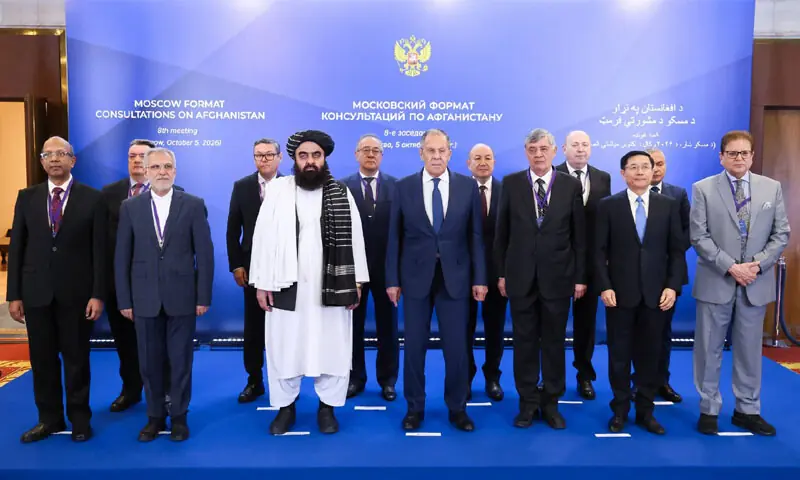
Beyond the Rhetoric: What Muttaqi’s Address Reveals About Afghan Policy

Beyond the Rhetoric: What Muttaqi’s Address Reveals About Afghan Policy

Interim Foreign Minister Amir Khan Muttaqi’s recent address sought to reframe Afghanistan’s strained ties with Pakistan through a narrative of victimhood and denial. From dismissing cross-border militancy to overstating economic resilience, his claims contradict on-ground realities and historical patterns. A closer examination reveals strategic deflection rather than accountability, with serious implications for regional peace and security.

Read More »
We Want Deliverance

We Want Deliverance

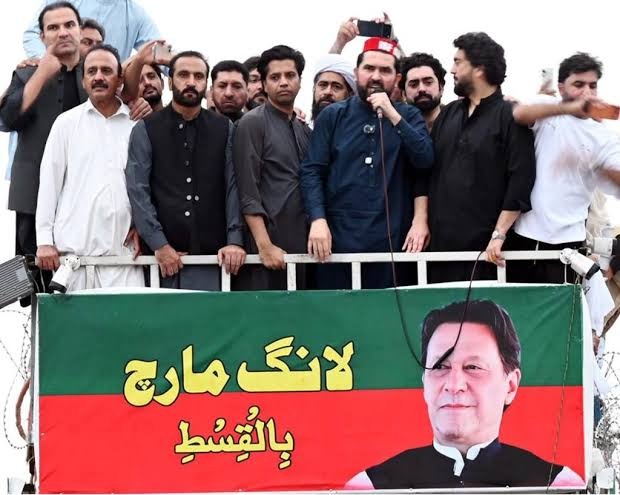
Political mobilization in South Asia is not rooted in policy or institutions but in a profound yearning for deliverance. From Modi’s civilizational aura in India to Imran Khan’s revolutionary moral narrative in Pakistan, voters seek not managers of the state but messianic figures who promise total transformation. This “Messiah Complex” fuels a cycle of charismatic rise, institutional erosion, and eventual democratic breakdown, a pattern embedded in the region’s political psychology and historical imagination.

Read More »