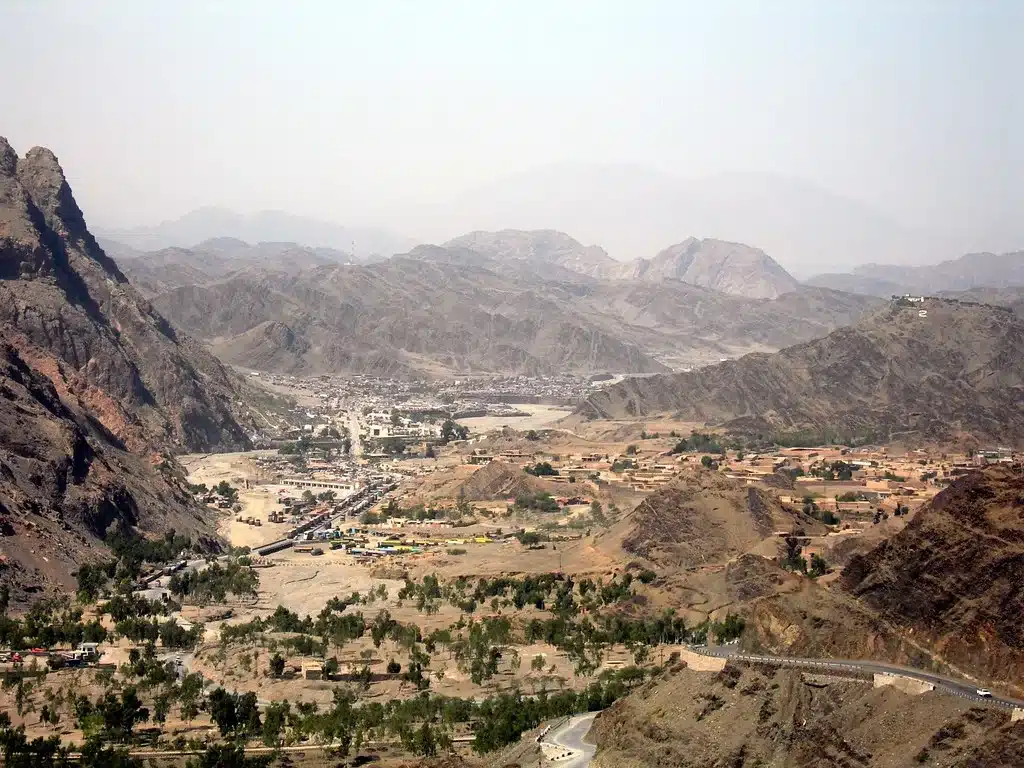
Torkham, March 10 – The border tensions between Pakistan and Afghanistan took a new turn as Afghan security forces withdrew an excavator from the disputed Jungle Post following intervention by a high-level Jirga. The withdrawal comes after Pakistani Jirga members and Khyber Chamber elders strongly objected to the continued construction activities by Afghan forces, which they said violated a prior agreement.
Earlier today, Pakistani representatives informed the Afghan delegation that the ongoing border construction was in direct contradiction to the traditional Pashtun Jirga customs and previous commitments. In response, Afghan Jirga members agreed to halt construction and ordered the removal of the excavator from the site.
A second session of the Jirga is expected soon to further ease tensions and discuss a potential resolution, which could lead to the reopening of the Torkham gate, a vital trade route between the two nations.
Also See: Torkham Border Closure Enters Third Week Amid Rising Clashes
Jirga Meeting: Pakistan’s Key Demands
On Sunday, March 9, a high-level Jirga meeting between Pakistani and Afghan representatives was convened to address the escalating situation at the Torkham border. The Pakistani delegation, led by Landi Kotal Jirga elders, put forward three key demands:
- A ceasefire by March 11
- A halt to military construction on both sides
- Immediate reopening of the border
Additionally, it was decided that Jirga representatives would inspect Afghan military constructions along the border on March 11 to assess the situation. However, Pakistani Jirga elders expressed concerns that the Afghan delegation lacked decision-making authority and would need to consult their leadership, particularly the Torkham Commissioner, before giving a final response.

Agreement Violated Within 24 Hours
Despite the Jirga negotiations, Afghan forces resumed construction work the very next day, breaching the agreement. Images from the site confirm the ongoing military activity, which has kept the Torkham border closed for over 17 days.
The prolonged closure has severely impacted local traders, transporters, and communities on both sides, who have urged Afghan authorities to halt further construction on Pakistani-controlled land so that trade and movement can resume.
The Root of the Dispute: The “2 Number Packet” Checkpoint
At the center of the tensions lies a disputed checkpoint known as “2 Number Packet”, which historically falls under Pakistani territory.
- During the reign of King Zahir Shah (1933–1973), Afghanistan transferred this area to Pakistan as part of a water agreement.
- The site remains under Pakistani control, but Afghan forces have begun constructing a new check post below the existing Pakistani position.
Torkham Jirga Proposes Temporary Ceasefire
To defuse the crisis, a Jirga was held at Torkham Zero Point two days ago. During this meeting, Pakistan proposed a one-month ceasefire and called on Afghanistan to stop unilateral border construction. Afghan delegates, however, requested more time to consult their leadership before committing to any agreement.
With the Torkham border closed for over two weeks, the economic losses and humanitarian concerns continue to mount.
Will the Border Reopen?
The situation now hinges on Afghanistan’s response on March 11. If Afghan authorities show flexibility, the border could be reopened swiftly. However, if construction continues, the dispute may escalate further.
For now, the region remains on edge as diplomatic negotiations continue.

Your trusted source for insightful journalism. Stay informed with our compelling coverage of global affairs, business, technology, and more.