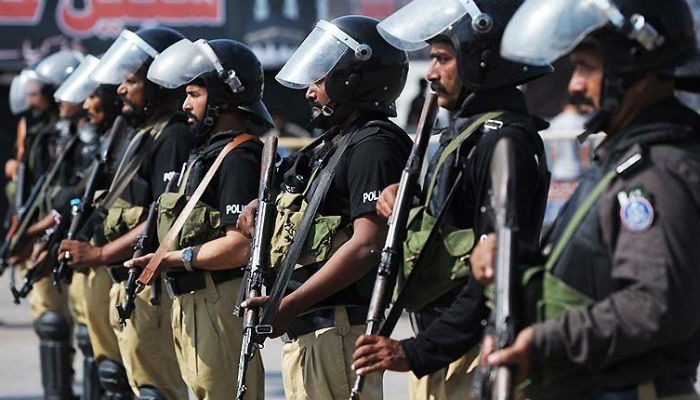
![US issues Level 3 travel advisory for Pakistan, citing terrorism risks in KP and Balochistan. Travelers urged to stay cautious. [Image via Media Line]](https://southasiatimes.org/wp-content/uploads/2025/03/imgonline-com-ua-Piconpic-wYmZtYXVvyR.webp)
The United States (US) has issued a Level 3 travel advisory for Pakistan, urging its citizens to reconsider travel to the country due to increased risks of terrorism and potential armed conflict, particularly in Khyber Pakhtunkhwa (KP) and Balochistan.
Heightened Security Risks in KP and Balochistan
The advisory highlights a deteriorating security situation in these provinces, attributing it to the unchecked movement of terrorist groups such as Tehrik-i-Taliban Pakistan (TTP), which is reportedly providing support to Balochistan Liberation Army (BLA) and other militant groups. These organizations continue to exploit Afghan soil to launch attacks inside Pakistan.
The Taliban’s links with these anti-state elements have further fueled violence in the region, exacerbating instability and posing a serious threat to peace and security. Large-scale and small-scale terrorist attacks in Balochistan and KP remain frequent, targeting civilians, security personnel, and infrastructure.
US Advisory Highlights Threats and Restrictions
The travel advisory explicitly states:
“Reconsider travel to Pakistan due to terrorism and the potential for armed conflict. Some areas have increased risk.”
Additionally, it places Balochistan and KP, including the former Federally Administered Tribal Areas (FATA), under a strict Level 4: Do Not Travel category due to ongoing terrorist activities. The advisory warns:
“Terrorist attacks are frequent in Balochistan Province and Khyber Pakhtunkhwa Province (KP), which include the former FATA. Large-scale terrorist attacks have resulted in numerous casualties, and small-scale attacks are frequent.”
Pakistan’s Counterterrorism Efforts and Regional Cooperation
Despite the rising threats, Pakistan has remained committed to counterterrorism measures. The country has played a crucial role in the global War on Terror and dismantled several terrorist networks. Pakistan’s sacrifices and contributions in combating extremism have been widely acknowledged internationally. However, the situation underscores the urgent need for enhanced regional cooperation to counter cross-border terrorism and prevent militant groups from using Afghan territory to destabilize Pakistan.
The advisory also notes that the US government has limited ability to provide services to its citizens in KP, Balochistan, and Pakistan-administered Azad Kashmir. US personnel are required to obtain special authorization for travel outside major cities like Islamabad, Lahore, and Karachi.
Call for US and Regional Involvement
The advisory acknowledges the threats posed by TTP and its associate BLA, reinforcing Pakistan’s concerns regarding cross-border militancy. Given this recognition, there is growing demand for the US to take an active role in pressuring Afghanistan to ensure that its territory is not used for anti-Pakistan activities. Additionally, the role of Indian proxies in Afghanistan, accused of supporting elements that disrupt regional stability, remains a critical concern that needs to be addressed for lasting peace.
Also See: Trump’s Afghanistan Gambit: The Ghost of Abandoned US Weapons Haunts the Region
US Travel Guidelines for Pakistan
The Level 3 travel advisory recommends that US citizens avoid all travel to Balochistan and KP areas of Pakistan due to the persistent threat of extremist violence. It further warns against traveling to areas near the Line of Control (LoC) between Pakistan and India, citing the risk posed by militant groups and ongoing military tensions.
For those who must travel to Pakistan, the US State Department advises:
- Staying updated with local media reports.
- Avoiding demonstrations and crowded areas.
- Keeping a contingency plan for emergencies.
- Enrolling in the Smart Traveler Enrollment Program (STEP) for security alerts.
- Having an evacuation plan that does not rely on US government assistance.
With security conditions in flux, the US travel advisory serves as a stark reminder of the ongoing threats in Pakistan, particularly in KP and Balochistan. As Pakistan continues its counterterrorism efforts, the call for stronger regional cooperation and accountability for cross-border militancy remains critical to ensuring lasting stability.

Your trusted source for insightful journalism. Stay informed with our compelling coverage of global affairs, business, technology, and more.