Nearly 3,500 Afghans Killed or Hurt in First Half of 2020, UN

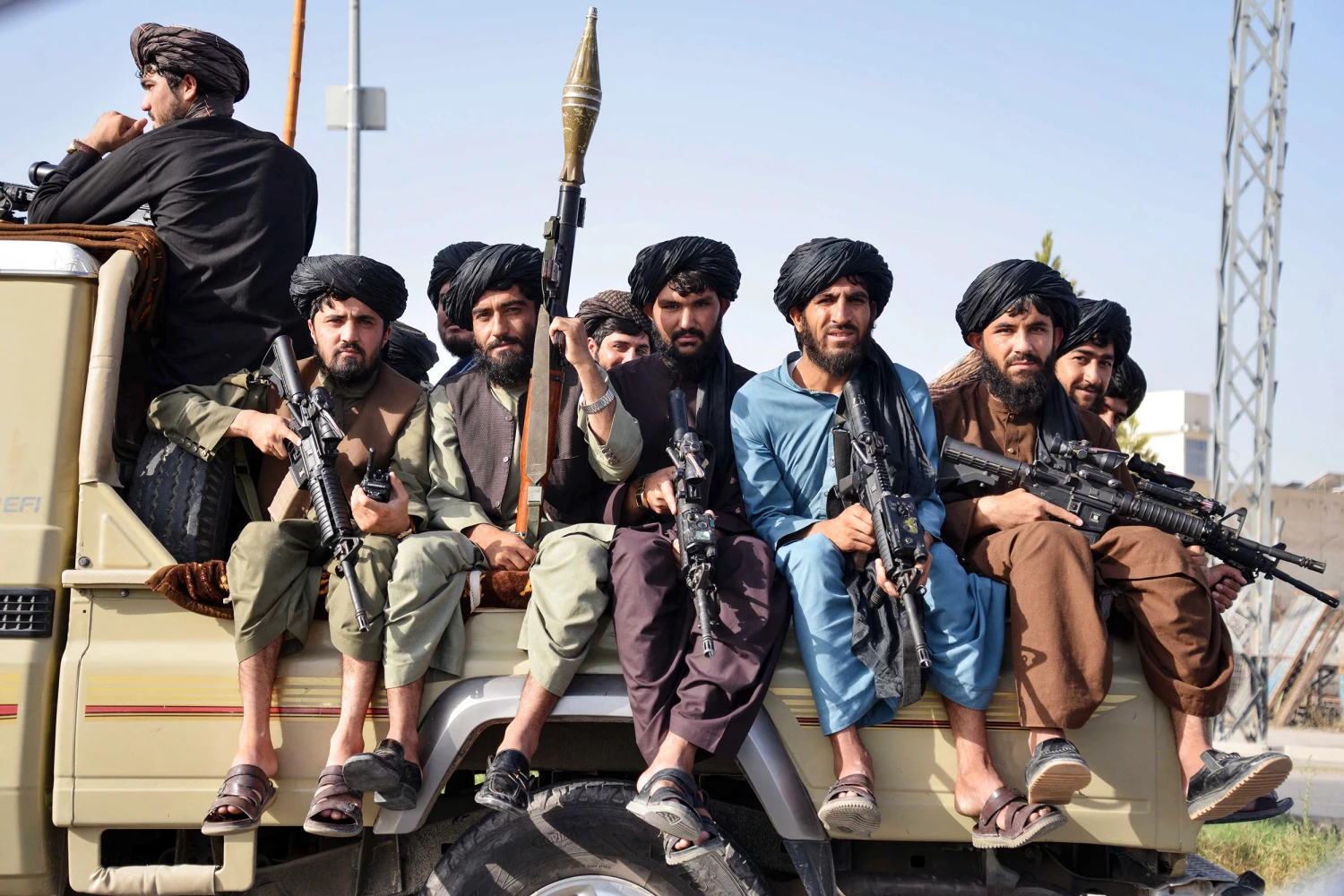
Despite a pact between the United States and Taliban militants, fighting continues to rage in Afghanistan. The UN estimates that over 1,280 Afghan civilians have been killed in the first six months of the year 2020.

The U.N. Assistance Mission in Afghanistan state that 1,282 Afghans have been killed and another 2,176 maimed or injured for a tally of 3,458 civilian casualties.

“The reality remains that Afghanistan\’s a deadly place in the world for civilians,” said UNAMA in its mid-year report.

Harrowing figures

Casualties have dropped by 13% from the corresponding period last year. The Taliban were responsible for 43% of all civilian casualties. Moreover, the causes of death are mainly explosive devices, abductions, and executions. Furthermore, the government forces caused 23%, primarily by airstrikes and indirect fire during operations. The UNAMA attributed the decrease to fewer operations by international forces, as well as fewer attacks by Islamic State militants.

Reasons for these claims

In February, the United States and Taliban signed an agreement in Doha.The withdrawal of foreign forces from Afghanistan state in exchange for security guarantees from the militants is in process. However, fighting has spiked in recent weeks. Prompted by differences over a prisoner exchange between the Taliban and Afghan government. Kabul proved reluctant to free hundreds of jailed militants.

The Doha deal provided for Kabul to release 5,000 Taliban prisoners in exchange for hundreds of Afghan troops. This was the main plank in starting peace negotiations between the two sides in the effort to put a stop to the 18-year-old war. While Kabul has released more than 4,000 Taliban prisoners, it has refused to release another 600. Claiming their involvement in murders, illicit drug trafficking, and major attacks.

News Desk

Your trusted source for insightful journalism. Stay informed with our compelling coverage of global affairs, business, technology, and more.

Recent

AQAP’s Threat to China: Pathways Through Al-Qaeda’s Global Network

AQAP’s Threat to China: Pathways Through Al-Qaeda’s Global Network

AQAP’s threat against China marks a shift from rhetoric to execution, rooted in Al-Qaeda’s decentralized global architecture. By using Afghanistan as a coordination hub and relying on AQIS, TTP, and Uyghur militants of the Turkistan Islamic Party as local enablers, the threat is designed to be carried out far beyond Yemen. From CPEC projects in Pakistan to Chinese interests in Central Asia and Africa, the networked nature of Al-Qaeda allows a geographically dispersed yet strategically aligned campaign against Beijing.

Read More »
The Enduring Consequences of America’s Exit from Afghanistan

The Enduring Consequences of America’s Exit from Afghanistan

The 2021 US withdrawal from Afghanistan was more than the end of a long war, it was a poorly executed exit that triggered the rapid collapse of the Afghan state. The fall of Kabul, the Abbey Gate attack, and the return of militant groups exposed serious gaps in planning and coordination.

Read More »
The Afghan Crucible

The Afghan Crucible

Recent reporting underscores Afghanistan’s transformation into a strategic hub for transnational jihadist networks. Far from being a localized security problem, the Afghan landscape now functions as an ideological, logistical, and digital anchor linking extremist affiliates across Africa, Southeast Asia, and beyond, signaling the collapse of regional containment and the rise of a globalized threat architecture.

Read More »
Economic Statecraft and the New Geography of Power in Regional Politics

Economic Statecraft and the New Geography of Power in Regional Politics

Strategic competition has moved beyond decisive wars toward a subtler synthesis of economic leverage, proxy networks, and calibrated force. Infrastructure, finance, and trade routes now function as instruments of power, quietly reshaping regional orders while preserving the façade of restraint. In this environment, security is no longer confined to the battlefield but embedded in supply chains, data networks, and development choices, forcing states to rethink deterrence, sovereignty, and resilience.

Read More »
The Manufacturing of a False Equivalence

The Manufacturing of a False Equivalence

As scrutiny mounts over the Taliban’s tolerance of TTP sanctuaries, Kabul has attempted to deflect blame by alleging that ISIS-K operates from Pakistan. This false equivalence ignores the historical origins of ISIS-K in eastern Afghanistan, its sustained campaign of violence against Pakistan, and verified intelligence showing that the group’s operational depth remains rooted inside Afghan territory.

Read More »