Bangladesh Sides with Pakistan and China Amidst Strained Relationship with India

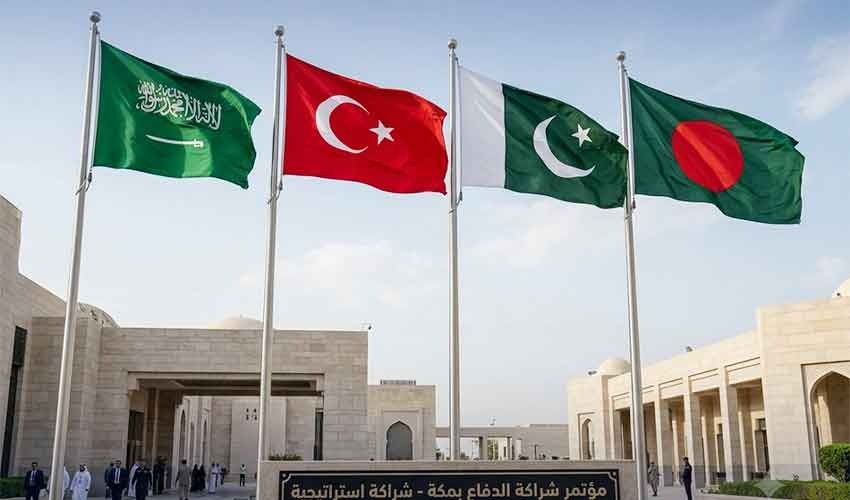
Amidst strained relations with New Delhi, Bangladesh sides with Pakistan and China as its PM signals a shift to closer Pak-China ties.

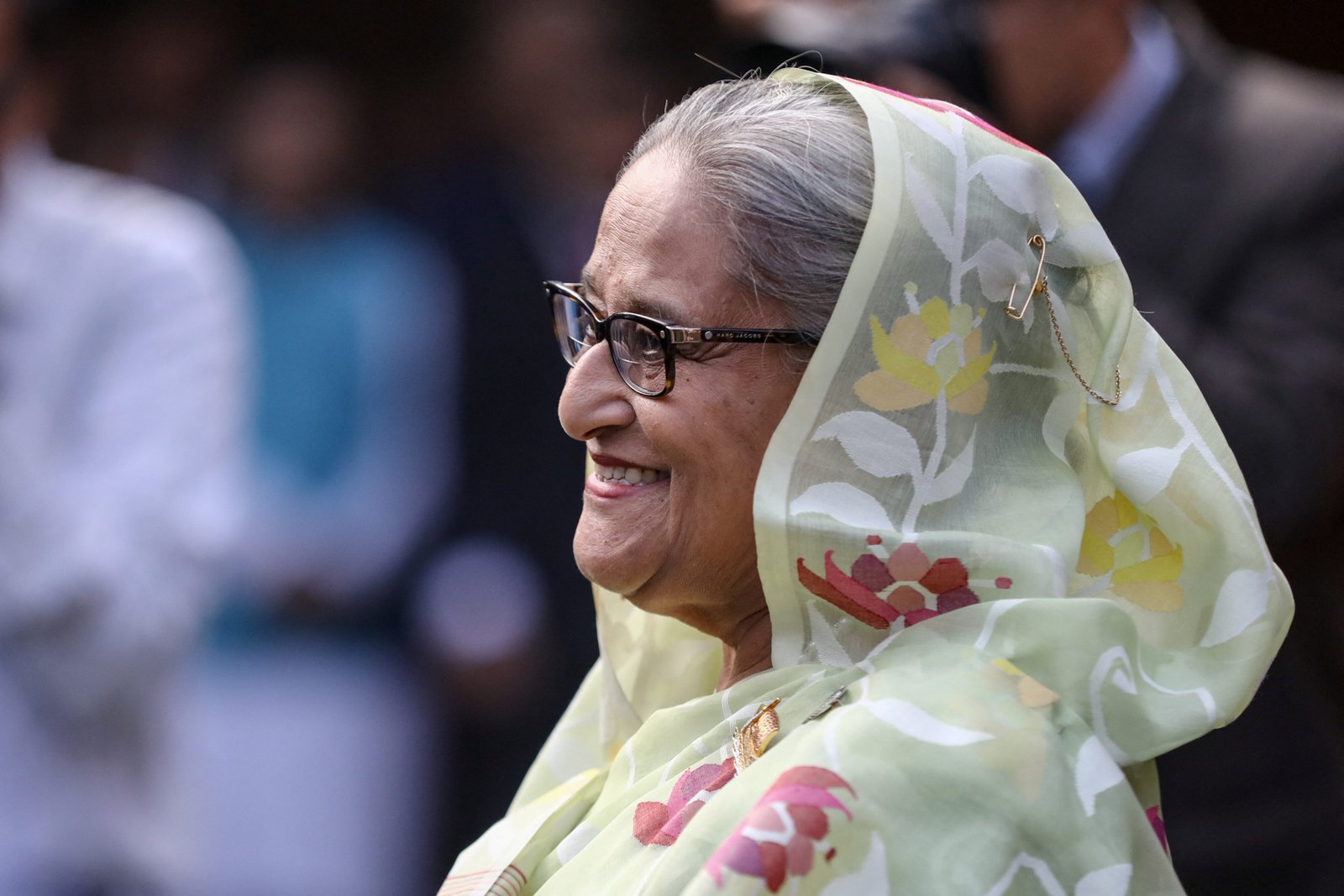
China is getting more support from Dhaka after the re-election of Bangladesh’s prime minister Hasina Wajid. At the same time, Indian projects in Bangladesh have been at a slow pace as compared to Chinese infrastructure projects. Dhaka is ignoring Delhi authorities and siding with China. As Bhorer Kagoj, a prominent daily reported.

Bangladeshi PM Ignores India

“Despite India’s concern, Bangla­desh has given the contract of building an airport terminal in Sylhet to a Chi­nese company. Indian High Commi­ssioner Riva Ganguly Das tried for four months to get an appointment with the prime minister of Bangladesh but did not get it. Bangladesh has not even sent a note of appreciation to India in response to Indian assistance for the Covid-19 pandemic,” said the newspaper’s editor Shyamal Dutta in an article.

Beijing Urban Construction Group (BUCG) has received the contract for building a new terminal in MAG Osmania Airport of Sylhet. This area is near India’s northeastern region. The Northeast area of India has many fault lines. After passing of national register of citizens and the Citizenship Amendment bill this area faced violent protests. Government infrastructure was damaged and railway trains were torched.  and is, therefore, considered a sensitive area for New Delhi.

According to India’s leading news outlet The Hindu, A diplomatic source from the Bangladesh High Commission here has confirmed that the Indian envoy had sought an appointment with Ms Hasina but it did not materialize.

PM Imran Khan’s Call

Pakistan’s Prime Minister Imran Khan had his first telephone conversation with Bangladesh counterpart Hasina Wajed. They discussed Pakistan’s deepening fraternal relations with Bangladesh based on mutual trust, mutual respect, and sovereign equality.

The telephone contact has come after months of efforts to normalize ties between the two South Asian countries after years of the deep freeze.

Observers were caught by surprise when Mr Siddiqui earlier this July met Bang­ladesh’s Foreign Minister A.K. Abdul Momen. Islamabad’s initiative for mending fences with Dhaka took place after current high commissioner Imran Siddiqui assumed office in February this year.

Bangladesh Sides With Pakistan

Highlighting that Bangladesh sides with Pakistan and China, the article in the prominent Bangladeshi newspaper Bhorer Kagoj said that a section of Ms Hasina’s office is actively supporting stronger ties with China. This angle was visible in the rapid improvement in ties with China’s ally Pakistan in the last 10 months.

Bangladesh opted for Pakistan’s onion supplies in November 2019 after India imposed a ban on its exports. This was the first time that Bangladesh imported agricultural items from Pakistan in the last 15 years.

India is losing its influence in the region. Earlier this month, Iran decided to go ahead with the Chahbahar railway project leaving India, although it was a joint project.


News Desk

Your trusted source for insightful journalism. Stay informed with our compelling coverage of global affairs, business, technology, and more.

Recent

A critical analysis of Drop Site News’ report alleging a UK–Pakistan “swap deal,” exposing its reliance on anonymous sources, partisan framing, and legally impossible claims.

Anonymous Sources, Big Claims, Thin Ground

A recent Drop Site News report claims a covert UK–Pakistan exchange of convicted sex offenders for political dissidents. But a closer look shows the story rests on hearsay, anonymous insiders, and a narrative shaped more by partisan loyalties than evidence. From misrepresenting legally declared propagandists as persecuted critics to ignoring the legal impossibility of such a swap, this report illustrates how modern journalism can slip into activism. When sensational claims outrun facts and legality, credibility collapses, and so does the line between holding power accountable and manufacturing a story.

Read More »
A sharp critique of Zabihullah Mujahid’s recent evasive remarks on the TTP, exposing Taliban hypocrisy and Afghan complicity in cross-border militancy.

Zabihullah Mujahid’s Bizarre Statement on TTP: A Lesson in Hypocrisy and Evasion

Zabihullah Mujahid’s recent statement dismissing the TTP as Pakistan’s “internal issue” and claiming Pashto lacks the word “terrorist” is a glaring act of evasion. By downplaying a UN-listed militant group hosted on Afghan soil, the Taliban spokesperson attempts to deflect responsibility, despite overwhelming evidence of TTP sanctuaries, leadership, and operations in Afghanistan. His remarks reveal not linguistic nuance, but calculated hypocrisy and political convenience.

Read More »
Beyond the Rhetoric: What Muttaqi’s Address Reveals About Afghan Policy

Beyond the Rhetoric: What Muttaqi’s Address Reveals About Afghan Policy

Interim Foreign Minister Amir Khan Muttaqi’s recent address sought to reframe Afghanistan’s strained ties with Pakistan through a narrative of victimhood and denial. From dismissing cross-border militancy to overstating economic resilience, his claims contradict on-ground realities and historical patterns. A closer examination reveals strategic deflection rather than accountability, with serious implications for regional peace and security.

Read More »
We Want Deliverance

We Want Deliverance

Political mobilization in South Asia is not rooted in policy or institutions but in a profound yearning for deliverance. From Modi’s civilizational aura in India to Imran Khan’s revolutionary moral narrative in Pakistan, voters seek not managers of the state but messianic figures who promise total transformation. This “Messiah Complex” fuels a cycle of charismatic rise, institutional erosion, and eventual democratic breakdown, a pattern embedded in the region’s political psychology and historical imagination.

Read More »