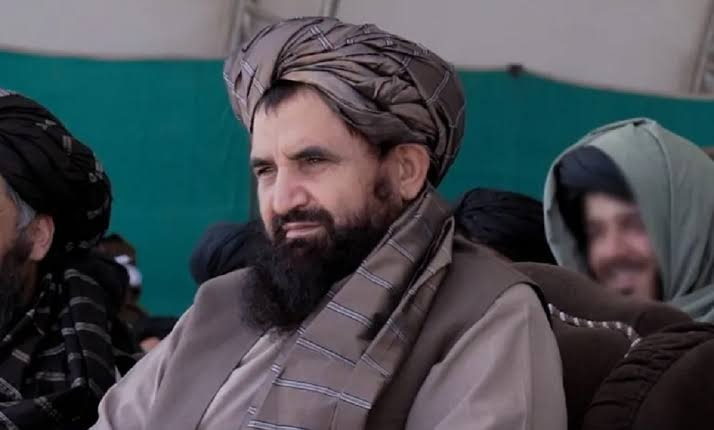
![PM AJK urges United Nations to fulfill its promise of Kashmir's right to self-determination, condemns India's oppression. [Image via APP]](https://southasiatimes.org/wp-content/uploads/2025/01/Indias-Abrogation-of-IIOJK-Status-Fulfills-Hindutva-Agenda-AJK-PM.webp)
Prime Minister Azad Kashmir (PM AJK) Chaudhry Anwar ul Haq has said that it was incumbent upon the United Nations to help implement its resolutions on Kashmir that guaranteed right to self determination to the people of Kashmir.
In his message issued on the eve of Right to Self-Determination Day being observed by Kashmiris annually on 5 January, the AJK premier regrettably noted that the promise made to Kashmiri people remains unfulfilled despite the lapse of over seven decades.
“The United Nations had guaranteed the right of self-determination to the people of Jammu and Kashmir and called for holding referandum in the region to allow the Kashmiri people to exercise their birth right and determine their political future through a free, fair and impartial plebiscite”, the PM said, adding that it was high time that the world body should discharge its legal and moral responsibility in this regard.
“Despite India’s relentless oppression, the people of Kashmir are sticking to their demand for the right to self-determination”, he said.
The PM said that India’s policy of intransigence and perpetual denial to hold plebiscite in Kashmir were detrimental for peace and stability in South Asia.
Also See: Pakistan’s President Reaffirms Support for Kashmiri Rights
Referring to the continued bloodshed and violence in the restive region, the PM AJK said that the United Nations and other human rights organizations should play their role in investigating the ongoing human rights violations in the Indian held territory and hold India accountable for the war crimes it’s forces have been committing against the Kashmiri people.
Reiterating his government’s all support to Kashmiris’ legitimate struggle, the PM said that the supreme sacrifices rendered by the Kashmiri martyrs would not be allowed to go in vain.
”The day is not far away when Kashmiris will achieve their goal of freedom”, the PM said, adding that nothing short of freedom can satisfy Kashmiris’ aspirations.
Lauding Pakistan’s continued political moral and diplomatic support to the Kashmiris’ just cause, the PM said that the people and government of Pakistan would never give up their moral, political and diplomatic support to the people of occupied Jammu and Kashmir.
He said that Kashmiris have rejected India’s 5th August 2019 decision that led to further disintegration of the state. “The people of Kashmir have also completely rejected the Indian Supreme Court verdict that put the stamp of approval to Modi government’s controversial decision to abrogate article 370 and 35A of the Indian constitution under which the Jammu Kashmir was guaranteed special status”, he added.
He said that the international community, particularly the United Nations should take strict notice of the Indian government’s actions and play their due role to settle this lingering dispute on the basis of the universally accepted principle of right to self-determination.