![President Zardari and Prime Minister Shehbaz Sharif share New Year messages of unity, resilience, and hope for Pakistan. [Image via Radio Pakistan]](https://southasiatimes.org/wp-content/uploads/2025/01/17194479891735701610.webp)
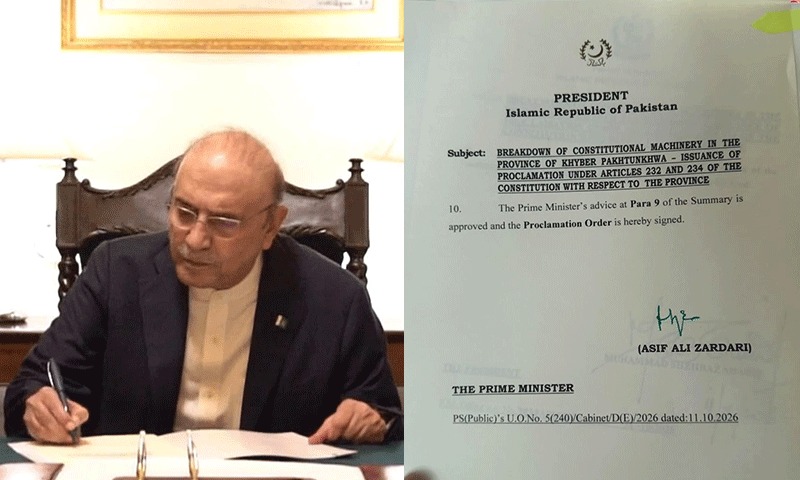
President Asif Ali Zardari and Prime Minister Shehbaz Sharif have extended greetings to the people of Pakistan and the international community on the occasion of the New Year.
In their messages, they prayed for the eradication of hunger, poverty, war, terrorism, crime, sectarianism, and class division, not just in Pakistan but globally in 2025.
President Asif Ali Zardari said unity, discipline, and hard work are essential to overcome the country’s challenges,
Both the President and the Prime Minister emphasized the importance of collective effort and leadership in navigating Pakistan’s challenges, with a shared vision of a prosperous New Year ahead.
Highlighting the importance of investing in youth, Asif Ali Zardari said the country’s youth must be provided with opportunities to realize their potential.
He further stressed that we must focus on facilitating underprivileged segments of society to ensure Pakistan’s progress.
Also See: Independent Palestinian state only ‘avenue toward peace’: PM Shehbaz
Message by PM
In his felicitation message on the advent of the New Year, Prime Minister Shehbaz Sharif urged the nation to collectively strive for a better and stronger Pakistan in 2025.
Shehbaz Sharif said the outgoing year was the worst year in terms of Israeli atrocities in Palestine. The occupying forces committed unprecedented acts of cruelty. Similarly, in Indian Illegally Occupied Jammu and Kashmir, our oppressed brothers and sisters suffered. They endured the brutality of the Indian occupying forces.
He expressed the hope that in 2025, Palestine and IIOJK achieve success in their struggle for freedom.
Referring to the country’s economic situation, the Prime Minister said 2024 was a remarkable year for Pakistan. He noted that the country marched from default to development, overcoming economic challenges with resilience and determination. He highlighted that difficult but necessary decisions were made to rescue the economy from collapse. These decisions helped restore macroeconomic stability, control fiscal deficits, and strengthen the country’s reserves.
Amidst other challenges, the Prime Minister said, Pakistan also faced a renewed surge in terrorism last year. However, our valiant armed forces, through their blood and sweat, remain steadfast in their commitment to securing a peaceful future for the motherland.
This news is sourced from Radio Pakistan and is intended for informational purposes only.

Your trusted source for insightful journalism. Stay informed with our compelling coverage of global affairs, business, technology, and more.