CPEC Project Details
As CPEC enters its second phase, Pakistan has signed two consecutive deals worth $13 billion last month.
Two Deals which are pertinent to hydro-power generation were signed on June 25 and July 6 respectively. The two projects will be executed in disputed Kashmir. Amounting to $3.9 billion in net worth. Rebuilding Pakistan’s colonial-era railways is a $7.2 billion plan. Categorized under the most expensive Chinese project in Pakistan.
The 15-year $62 billion investment intends to reshape Pakistan. Envisioning it as a regional trade hub. However, the deal will serve as a keystone in determining the long-term strategic relationship between the two countries.
Follow-up on the project
Furthermore, S=since the new prime minister, Imran Khan, took charge in 2018, the government remained apathetic for long. But now the course has once again resumed keeping the method almost in sync with the previous government.
Additionally, CPEC is a project linking china’s province, Xinjiang, with Pakistan’s economic hub Gwadar Port on the Arabian sea. The project incorporates road, railway, and energy projects to rejuvenate economic activity in the region.
Pakistan seeks to capitalize on Chinese investment, technical insights, and production capacity. This will help transform the infrastructure and ascertain economic growth in Pakistan. China in return gets access to the Arabian sea, offering trade routes to Malacca Strait in Southeast Asia. The progress is imperative to Chinese Commitment to the region. However, the project wasn’t progressing until recently.
Goals to Aim for
The project has industrial and agricultural orientation, in particular, however, the transport sector gets prime attention. With power generation making up most of the completed projects.
According to MERICS database, 75% of completed projects belong to the power sector. The cost equals $25.5 billion for projects including solar, hydro, and wind-powered generation.
In 2018, the Pakistan government sought help from the IMF for a $6billion bailout. The bailout followed the balance of payment crisis since the economy struggles against financial distress to date.
What do we lag behind?
Debt sustainability issues, poor ranking on Human development index, lack of soft infrastructure, and poor rural connectivity make the country susceptible to risk for aiming too high.
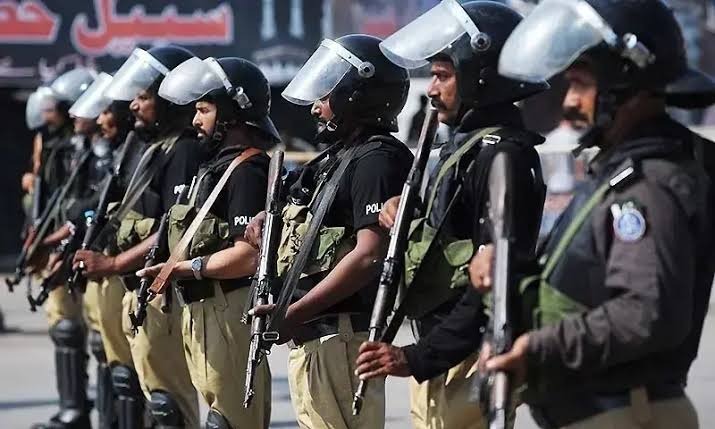
Similarly, security costs make the project highly volatile. Since Baluchistan is threatened under the separatist group in the province. One such incidence involves the killing of three Chinese engineers at the hands of the Baloch Liberation Army (BLA) in August 2018. Delaying the construction on Gwadar port by three years, even amid facing power issues, reflects upon political and bureaucratic challenges to Beijing.
Military involvement in the region
Additionally, disproportionate military involvement plays a decisive role in the affairs of the country. The army pledges to ensure the security of the project. In 2019, Khan appointed General Bajwa, the head of Inter-Services Public Relations (ISPR), to be head of the CPEC authority.
Moreover, in May, a joint venture for Dam-building was signed between the commercial unit of the Pakistan army and a Chinese state-owned company. The project accounts for $5.8billion in net worth.
Conclusion
Conclusively, both partners want to remain loyal to their established strategic relationship at the cost of human rights, transparency, and economic independence.

Your trusted source for insightful journalism. Stay informed with our compelling coverage of global affairs, business, technology, and more.