Pakistan Trying to Get IsDB Financing, Revive Saudi Oil Facility

Pakistan explores syndicate financing from IsDB and seeks Saudi Oil Facility amid IMF concerns over the SOF's viability. [Image via The News]

Pakistan is exploring two options now, including securing syndicate financing from the Islamic Development Bank (IsDB) and making a last-ditch effort to convince Riyadh for provision of the Saudi Oil Facility (SOF), after the IMF raised a red flag about the possibility of SOF.

Prime Minister Shehbaz Sharif has made several visits to the Kingdom of Saudi Arabia (KSA) since assuming power in recent months, but has not yet firmed up the Saudi Oil Facility (SOF). In another effort, the KSA may consider the SOF for next 12 months from January or February 2025.

Islamabad is likely to make a formal request to the IsDB’s ITFC [International Islamic Trade Finance Corporation] arrangement for jacking up its financing for procurement of oil from $400 million to $1 or $1.2 billion depending upon the offered rates for enhanced loan facility.

Also See: Pakistanis welcome Aramco’s new Islamabad outlet

Potential Costs and Implications of ITFC Financing

The syndicate financing facility from ITFC might prove expensive. It would be tied to the Secured Overnight Financing Rate (SOFR), which currently stands at 4.59 percent, plus additional charges. It’s difficult to determine the exact rate for the upcoming facility. However, there are chances that the rate could rise to around 9 to 10 percent once all charges are included. The SOFR is a measure of the cost of borrowing cash overnight using treasury securities as collateral. Transaction data in the US treasury repurchase market calculates it.

Sources said Pakistan had already availed the oversubscribed ITFC facility. Pakistan received around $267 million, exceeding the expected installment of $200 million. Earlier, the IsDB had agreed to extend financing of $400 million to Pakistan. However, Pakistan has now formally requested the IsDB to enhance the facility to $1.2 billion. When contacted last week for comments, Minister for Economic Affairs Ahad Cheema stated, “Both options are open.” He was responding to a query regarding the SOF or ITFC from IsDB.

This news is sourced from The News and is intended for informational purposes only.

News Desk

Your trusted source for insightful journalism. Stay informed with our compelling coverage of global affairs, business, technology, and more.


Recent

A critical analysis of Drop Site News’ report alleging a UK–Pakistan “swap deal,” exposing its reliance on anonymous sources, partisan framing, and legally impossible claims.

Anonymous Sources, Big Claims, Thin Ground

A recent Drop Site News report claims a covert UK–Pakistan exchange of convicted sex offenders for political dissidents. But a closer look shows the story rests on hearsay, anonymous insiders, and a narrative shaped more by partisan loyalties than evidence. From misrepresenting legally declared propagandists as persecuted critics to ignoring the legal impossibility of such a swap, this report illustrates how modern journalism can slip into activism. When sensational claims outrun facts and legality, credibility collapses, and so does the line between holding power accountable and manufacturing a story.

Read More »
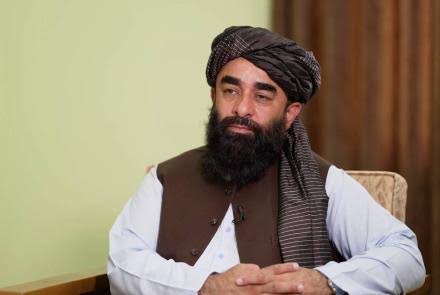
A sharp critique of Zabihullah Mujahid’s recent evasive remarks on the TTP, exposing Taliban hypocrisy and Afghan complicity in cross-border militancy.

Zabihullah Mujahid’s Bizarre Statement on TTP: A Lesson in Hypocrisy and Evasion

Zabihullah Mujahid’s recent statement dismissing the TTP as Pakistan’s “internal issue” and claiming Pashto lacks the word “terrorist” is a glaring act of evasion. By downplaying a UN-listed militant group hosted on Afghan soil, the Taliban spokesperson attempts to deflect responsibility, despite overwhelming evidence of TTP sanctuaries, leadership, and operations in Afghanistan. His remarks reveal not linguistic nuance, but calculated hypocrisy and political convenience.

Read More »
Beyond the Rhetoric: What Muttaqi’s Address Reveals About Afghan Policy

Beyond the Rhetoric: What Muttaqi’s Address Reveals About Afghan Policy

Interim Foreign Minister Amir Khan Muttaqi’s recent address sought to reframe Afghanistan’s strained ties with Pakistan through a narrative of victimhood and denial. From dismissing cross-border militancy to overstating economic resilience, his claims contradict on-ground realities and historical patterns. A closer examination reveals strategic deflection rather than accountability, with serious implications for regional peace and security.

Read More »
We Want Deliverance

We Want Deliverance

Political mobilization in South Asia is not rooted in policy or institutions but in a profound yearning for deliverance. From Modi’s civilizational aura in India to Imran Khan’s revolutionary moral narrative in Pakistan, voters seek not managers of the state but messianic figures who promise total transformation. This “Messiah Complex” fuels a cycle of charismatic rise, institutional erosion, and eventual democratic breakdown, a pattern embedded in the region’s political psychology and historical imagination.

Read More »