![Pakistani FM discusses safety of Pakistani nationals in Syria with Turkish FM amid ongoing crisis and instability. [Image via Dawn]](https://southasiatimes.org/wp-content/uploads/2024/12/08221932b82aa3d.webp)
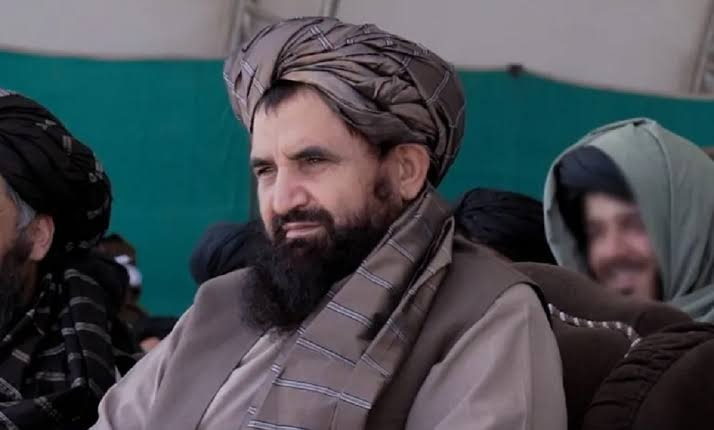
Foreign Minister Ishaq Dar had a telephone conversation with Turkish Foreign Minister Hakan Fidan about the unfolding situation in Syria on Sunday, where they discussed stranded Pakistani nationals.
Syrian rebels ousted President Bashar al-Assad. He fled the country, ending the 50-year Assad dynasty. The lightning offensive has raised fears of a new wave of instability in the Middle East.
Syria’s army command notified officers that Assad’s regime had ended, according to a Syrian officer who shared the information with Reuters. But the Syrian army later said it was continuing operations against “terrorist groups” in the towns of Hama and Homs and Deraa countryside.
The Foreign Office (FO) issued an advisory on Friday. It urged Pakistanis to refrain from traveling to Syria due to “the recent developments and evolving situation” in the country. The Foreign Office also advised Pakistani nationals already in Syria to “exercise extreme caution.” It encouraged them to remain in contact with the Embassy of Pakistan in Damascus.
During his phone call with his Turkish counterpart, Dar shared details of the government’s efforts. These efforts aimed to ensure the safety and security of Pakistani nationals in Syria. This information was shared in a post by the foreign ministry on X.
![Tweet by Pakistan's Ministry of Foreign Affairs [via X]](https://southasiatimes.org/wp-content/uploads/2024/12/0822080665de51b.webp)
The ministers also discussed possible cooperation between the two countries to aid Pakistani nationals stranded in Syria.
Also See: Saudi-Iran Thaw: Shifting Middle East Dynamics
Assistance for Stranded Pakistanis in Syria
Meanwhile, the foreign office issued a press release on December 7, explaining how it would facilitate stranded Pakistanis in Syria before Assad’s ousting.
“In view of the ongoing developments and evolving situation in Syria, the Ministry of Foreign Affairs has activated its Crisis Management Unit (CMU) to facilitate Pakistanis in Syria,” the release read.
Pakistani nationals were encouraged to contact the CMU for assistance, though the release did not specify how the ministry would facilitate them.
- Phone number: 051-9207887
- Email: cmu1@mofa.gov.pk
“Meanwhile, the Pakistan Embassy in Damascus remains actively engaged to facilitate Pakistani nationals in Syria,” the release added, enclosing the embassy’s contact details.
- Phone numbers: +963 987 127 822, +963 990 138 972
- Email: parepdamascus@mofa.gov.pk