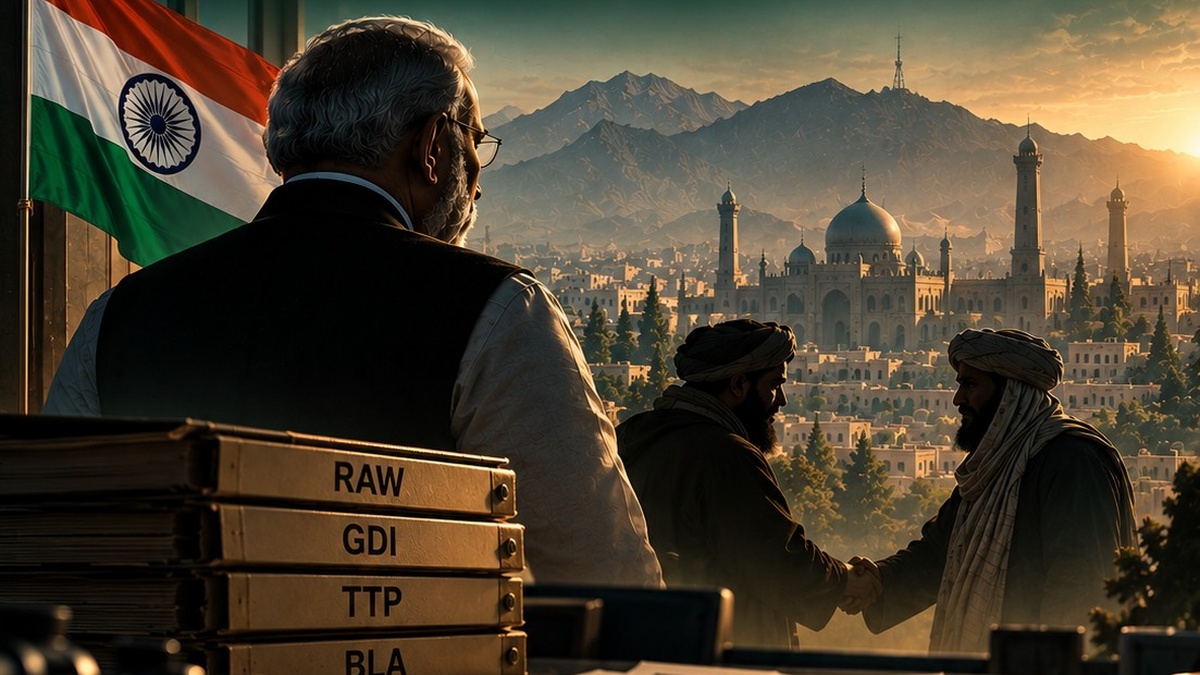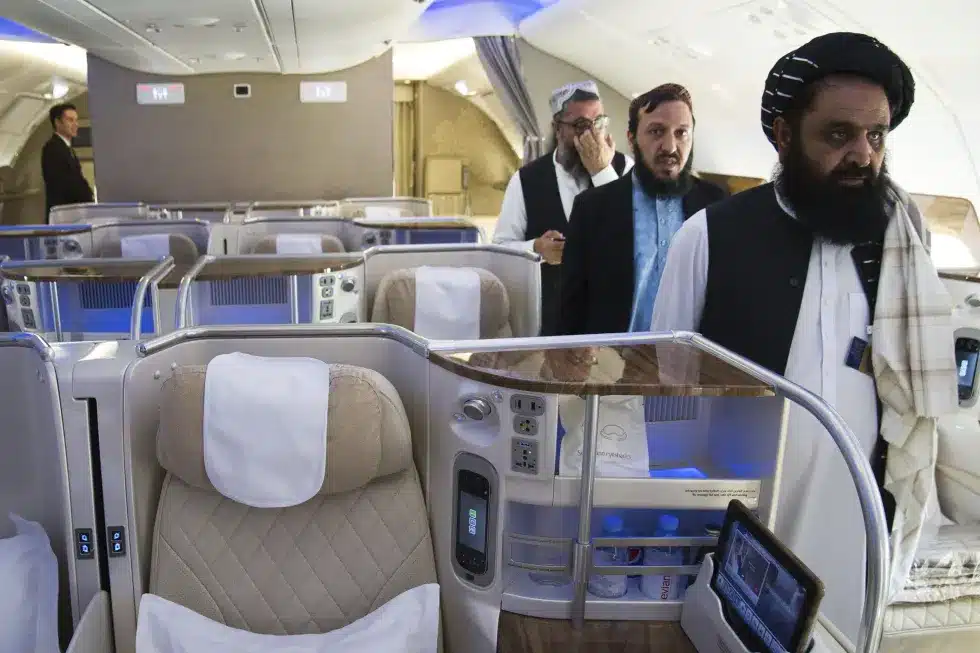
ISLAMABAD (AP) — On Wednesday, the United Arab Emirates accepted the credentials of the ambassador of Taliban. This move achieved the biggest diplomatic coup for Afghanistan’s rulers. The world does not officially recognize them as the country’s legitimate government.
The appointment of the first Taliban ambassador since the one appointed to China last December highlights the international divide. This division reflects differing approaches to handling the government now in Kabul.
The Ministry of Foreign Affairs in Kabul confirmed the news about Badruddin Haqqani. They made the announcement in a post on the social media platform X. The ministry did not respond to requests for information about Haqqani, who was previously the Taliban’s envoy to the UAE.
Haqqani is not related to Acting Interior Minister Sirajuddin Haqqani. Sirajuddin Haqqani met the UAE leader, Sheikh Mohammed bin Zayed Al Nahyan, in June. However, Haqqani is from Sirajuddin Haqqani’s team.
Sirajuddin Haqqani is the current leader of the powerful Haqqani network. The Taliban allies with the Haqqani network, a militant movement. The global community designates Sirajuddin Haqqani as a terrorist. The United States wants him for his involvement in deadly attacks, and several sanctions lists include him.
Even though the Taliban remain isolated from the West, they have pursued bilateral ties with major regional powers. Last week, Uzbek Prime Minister Abdulla Aripov arrived in Afghanistan. This was the highest-level visit by a foreign official since the Taliban returned to power in Afghanistan three years ago.
Restriction on Women and Girls
The United Nations says that official recognition of the Taliban-run Afghanistan is “nearly impossible” while restrictions on women and girls are in place.
In a separate development Wednesday, a U.N.-appointed rights expert decried the Taliban’s decision to bar him from Afghanistan. The special rapporteur on the situation of human rights in Afghanistan Richard Bennett has frequently criticized the Taliban’s treatment of women and girls.
Bennett said the Taliban’s announcement that they would no longer grant him access to Afghanistan was “a step backwards and sends a concerning signal” about their engagement with the U.N. and the international community on human rights.
“I urge the Taliban to reverse their decision and reiterate my willingness and availability to travel to Afghanistan,” Bennett said.
A spokesman for the Foreign Ministry in Kabul warned that Bennett’s activities were detrimental to the interests of Afghanistan and the Afghan people.
“It was deemed appropriate that Bennett continue his unprofessional conduct from the comfort of his office instead of tiring himself with needless travels,” the spokesperson, Abdul Qahar Balkhi, told The Associated Press in a message.
This news is sourced from AP News and is intended for informational purposes only.

Your trusted source for insightful journalism. Stay informed with our compelling coverage of global affairs, business, technology, and more.