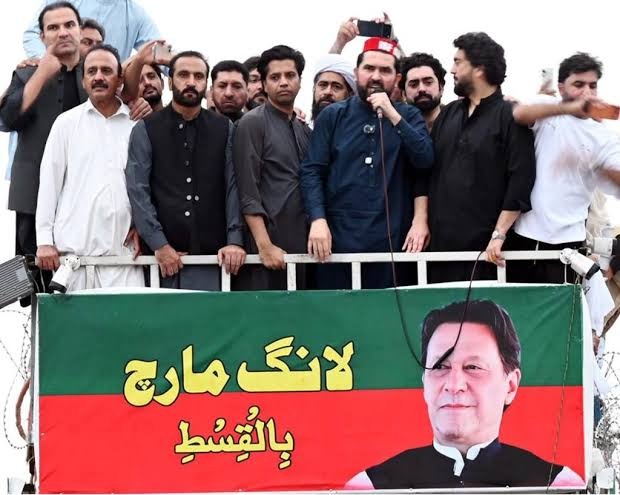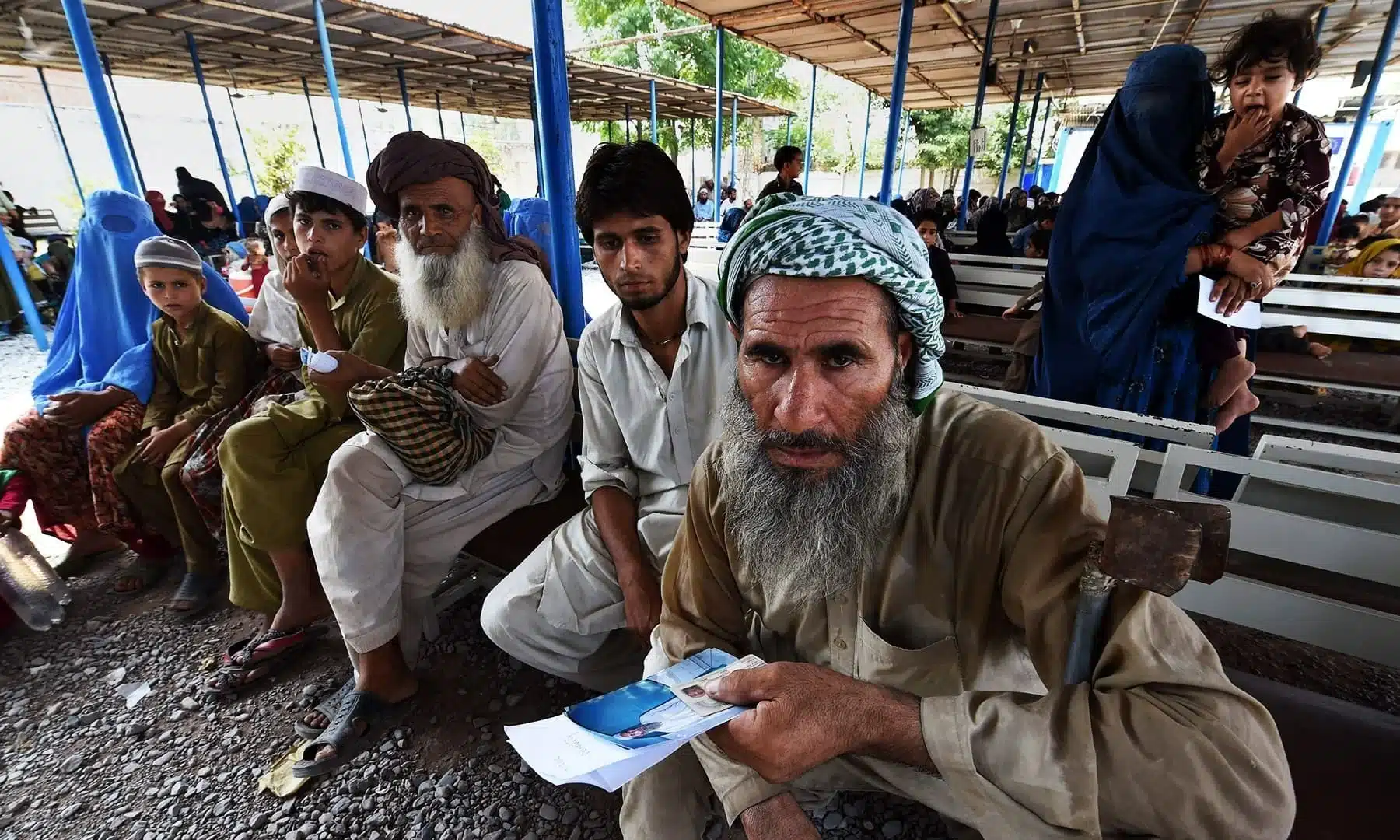
In the chessboard of international relations, where every move echoes beyond borders, Pakistan’s recent repatriation drive is more than a political gambit. As the world watches this unfolding spectacle, the layers of complexity peel back to reveal a story beyond mere repatriation. In recent weeks, Pakistan’s government has undertaken a mass repatriation initiative, primarily targeting illegal immigrants. This move has sparked debates and tensions with neighboring Afghanistan due to the large number of illegal Afghans residing in Pakistan. However, it is essential to view this repatriation process not solely as an anti-Afghan move. Instead, it serves as a strategic effort by Pakistan to address internal security concerns and foster economic stability.
The ongoing repatriation initiative is not a sudden shift in policy but a response to Pakistan’s long-standing struggle with security challenges. These challenges are especially pronounced with the Tehreek-e-Taliban Pakistan (TTP). The TTP, operating from Afghanistan, has intensified its attacks on Pakistani military and police forces. Since the Islamic Emirate of Afghanistan (IEA) regained control of Afghanistan in August 2021, these attacks have led to a 60% rise in casualties. This poses a significant threat to the stability and security of Pakistan.
Putting Own House in Order
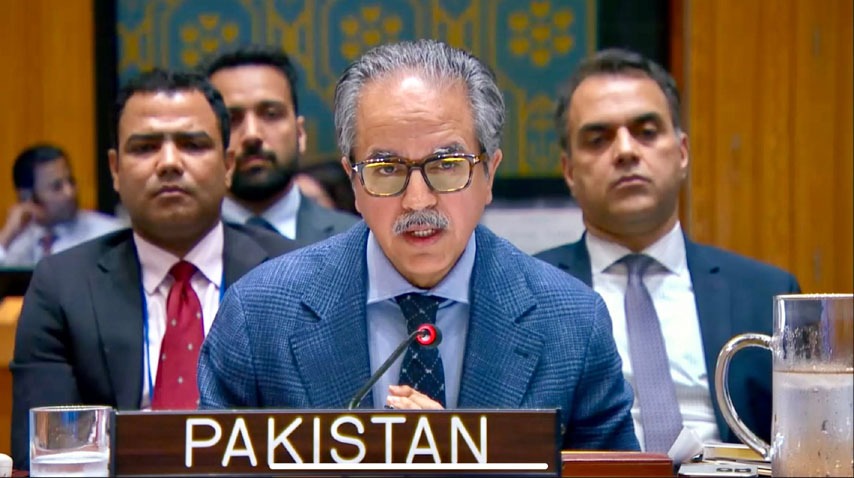
Pakistan’s caretaker Minister of Interior, Sarfraz Bugti, emphasizes that the mass deportations are part of putting Pakistan’s house in order. After hosting four million refugees for over four decades, Pakistan now focuses on legalizing the stay of those who wish to remain in the country. The government is ensuring that this process aligns with its laws and security interests.
The IEA’s denial of involvement in TTP’s activities notwithstanding, the rise in terrorism and the group’s attacks on Pakistani soil underscore the urgency for Pakistan to neutralize this threat. The repatriation initiative addresses the security situation and also serves as a strategic move. It aims to exert pressure on Kabul to rein in the TTP. This demonstrates that both countries need to work collectively to eradicate cross-border terrorism.
As Afghanistan gradually moves towards peace after years of conflict, the repatriation initiative that deports Afghan nationals should be seen as a positive step. The return of these individuals to their homeland aligns with the broader narrative of Afghanistan’s restoration to stability. It presents an opportunity for them to contribute to the rebuilding process.
In the midst of these complex developments, the recent visit of the Acting Commerce Minister of the IEA to Pakistan emerges as a significant and multifaceted development. This visit unfolds against the backdrop of General Mobeen’s accusation that Pakistan supports the TTP. This accusation adds layers of intensity to the geopolitical landscape and increases pressure on Pakistan in the context of repatriating Afghan citizens.
Regional Connectivity
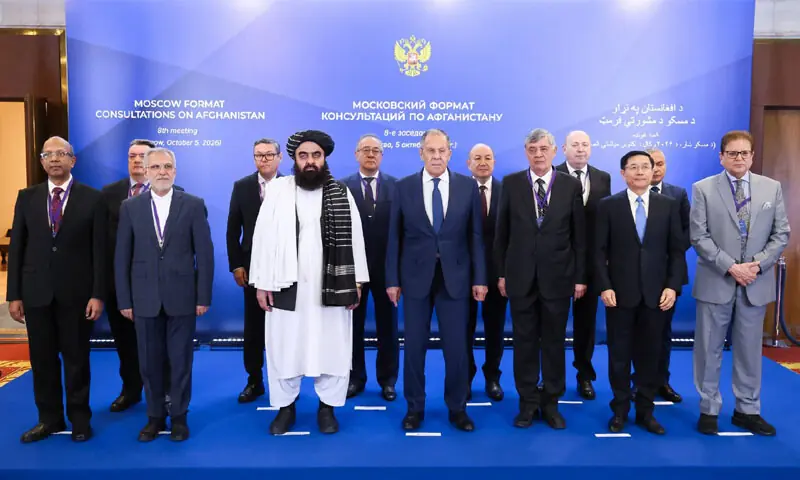
Concurrently, the trilateral talks between Pakistan, Afghanistan, and Uzbekistan signify a shared commitment to regional connectivity and economic cooperation. A high-level IEA delegation led these discussions. They focused on advancing the Trans-Afghan project, an ambitious 760-kilometer rail line. This rail line will connect the three countries. Scheduled for completion by 2027, the initiative holds the potential to foster trade. It could attract investments and enhance overall connectivity. The project aims to benefit the entire region. This convergence emphasizes the intricate dynamics at play in the region.
Accusations and geopolitical tensions persist. However, the commitment to economic collaboration through projects like the Trans-Afghan railway suggests a nuanced approach. This approach recognizes the need for both dialogue and concrete initiatives.
Looking beyond the blame game, Pakistan remains committed to negotiations. It is making efforts to address the TTP’s complex socio-political aspirations and demands over Erstwhile FATA. This underscores Pakistan’s commitment to resolving issues. Certain factions within the IEA support the TTP due to a nationalist approach. They perceive it as potential leverage or a ‘bargaining chip’ against Pakistan.
Moreover, the ideological parallels between the IEA and TTP stem from Pakistan’s historical alliance with the United States during the Afghan War. This creates a permissive stance on the TTP’s actions within Pakistan. Despite Pakistan’s concerns conveyed to the IEA, this stance persists. Lower ranks within the IEA continue to show attempts to align with the TTP in various activities.
A Balancing Act
Here, pertinently the tension between policy imperatives and shared ideology becomes particularly evident in the IEA-TTP relationship. Despite efforts to prevent Afghan territory from being used against Pakistan, the shared ideological underpinnings force a delicate balancing act. Pakistan is actively rehabilitating conflict zones. It is also calling on the Afghan government to address the TTP issue. These actions highlight Pakistan’s genuine commitment to finding a resolution.
While the current events underscore the complexities in the Pakistan-Afghanistan relationship, involving economic, security, and ideological dimensions, the delicate balance between policy imperatives and certain ideologies continues to shape the dynamics between the two nations, revealing a nuanced picture beyond the surface-level blame game.
What the Future Holds
Despite recent public tensions between Pakistan and the IEA government, the recent trilateral talks showcase a willingness to engage and find common ground. Pakistan’s Minister of Commerce, Gohar Ejaz, emphasised the bright prospects for economic ties and regional connectivity, highlighting that collective action against terrorism is essential for unlocking the full potential of regional trade.
Hence, Pakistan’s repatriation process addresses both internal security concerns, particularly the TTP threat, and fosters economic stability in collaboration with Afghanistan and other regional partners. As the post-war Afghan landscape transforms towards peace, the return of Afghan nationals to their homeland aligns with the broader themes of regional cooperation and stability. In this geopolitical waltz, can Pakistan and Afghanistan find a shared rhythm, moving beyond discord, toward a future of cooperation, transcending the shadows of history? The stage is set, and as the spotlight dims, the lingering question hangs in the air: Will this chapter conclude with a resolution that reshapes the future, or is it just another chapter in the enduring saga of regional dynamics?
The article was originally published by The Nation. The views expressed in this article are the author’s own and do not necessarily reflect the editorial policy of the South Asia Times.

Salman Javed is the CEO of South Asia Times (SAT) and a strategic communications professional with over 15 years of experience in research, media, public diplomacy, and geopolitical analysis. His areas of expertise include Pak-Afghan affairs, regional security, strategic narratives, and South Asian geopolitics. He has led multiple research and media initiatives aimed at bridging policy analysis with informed public discourse.