The response of countries to Covid-19

The response of countries to Covid-19

Currently, the COVID-19 crisis is the worst health emergency the world is witnessing. The
worst toll it has taken is on the economy. The US Governments’s economic response has been
unprecedented as it announced a $10 trillion relief package and so have other countries. The
stimulus package has taken different forms: guarantees, loans, value transfers to companies,
deferrals, and equity investments. The stimulus actions taken by countries show a significant
variation in the size of the response. Monetary-policy measures were the first-line response as
liquidity injections were made. Turning to household measures, the immediate relief was for the
most vulnerable, especially in countries without automatic stabilizers already in place. Some
countries enacted broader income-distribution programs, primarily to support workers in the
informal sector and the self-employed. Some governments had taken steps aimed at longer-term
resilience for individuals, such as jobs redeployment and reskilling. SME sector was helped
through debt restructuring.

The three factors that seem to have shaped how economies responded to Covid-19 crises are:
1) Degree of outbreak and intensity of lockdown
2) Preexisting social- and business-support measures already in place
3) Structure of the economy.

The combination of those three factors gives rise to three response archetypes: coordinated-,
liberal-, and emerging-market economies. The archetypes provide guidance on the constraints
and policy options available. Countries with coordinated-market economies have leveraged
strong balance sheets and existing measures to respond rapidly and at scale to protect businesses
and jobs, but they must shift to longer-term measures and beware of future stagnation.
Often, such countries already have initiatives in place to assist vulnerable households. Their
responses are swift, large, and aimed at shoring up business through loan guarantees, equity
injections. The countries will still need to ensure that companies are encouraged to invest in
strategic priorities I.e. R&D, energy efficiency, reskilling, etc. to maintain competitiveness and
“future proof” their economies. Countries with liberal-market economies face greater short-term
risks but have greater flexibility for long-term dynamism. Their economies skew more heavily
toward big corporations.

Muhammad Ammar Alam

Muhammad Ammar Alam, a graduate of the School of Economics, Quaid-e-Azam University Islamabad, specializes in political and development economics.

Recent

An analysis of Qatar’s neutrality, Al Jazeera’s framing of Pakistan, and how narrative diplomacy shapes mediation and regional security in South Asia.

Qatar’s Dubious Neutrality and the Narrative Campaign Against Pakistan

Qatar’s role in South Asia illustrates how mediation and media narratives can quietly converge into instruments of influence. Through Al Jazeera’s selective framing of Pakistan’s security challenges and Doha’s unbalanced facilitation with the Taliban, neutrality risks becoming a performative posture rather than a principled practice. Mediation that avoids accountability does not resolve conflict, it entrenches it.

Read More »
An analysis of how Qatar’s mediation shifted from dialogue to patronage, legitimizing the Taliban and Hamas while eroding global counterterrorism norms.

From Dialogue to Patronage: How Qatar Mainstreamed Radical Movements Under the Banner of Mediation

Qatar’s diplomacy has long been framed as pragmatic engagement, but its mediation model has increasingly blurred into political patronage. By hosting and legitimizing groups such as the Taliban and Hamas without enforceable conditions, Doha has helped normalize armed movements in international politics, weakening counterterrorism norms and reshaping regional stability.

Read More »
AI, Extremism, and the Weaponization of Hate: Islamophobia in India

AI, Extremism, and the Weaponization of Hate: Islamophobia in India

AI is no longer a neutral tool in India’s digital space. A growing body of research shows how artificial intelligence is being deliberately weaponized to mass-produce Islamophobic narratives, normalize harassment, and amplify Hindutva extremism. As online hate increasingly spills into real-world violence, India’s AI-driven propaganda ecosystem raises urgent questions about accountability, democracy, and the future of pluralism.

Read More »
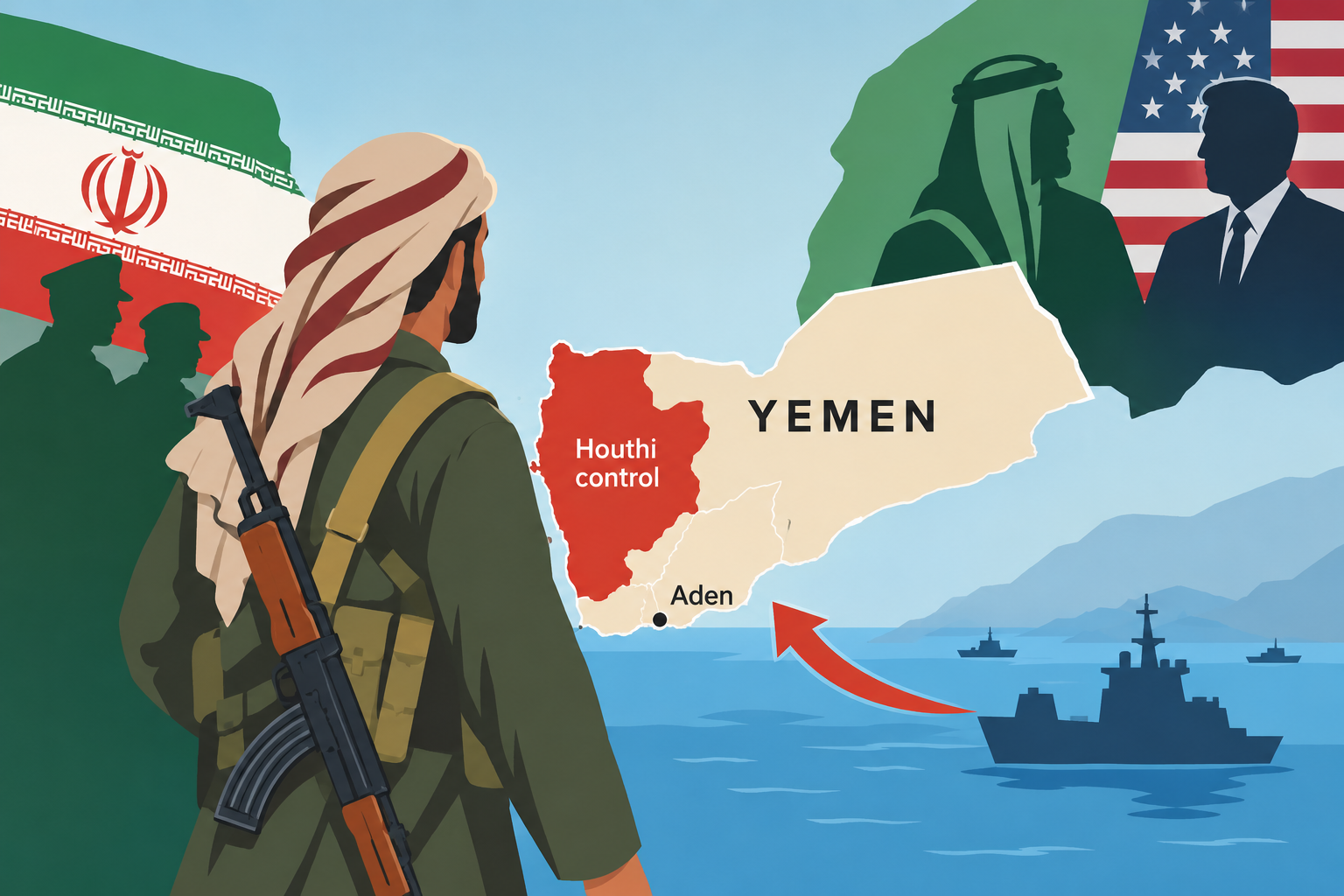
AQAP’s Threat to China: Pathways Through Al-Qaeda’s Global Network

AQAP’s Threat to China: Pathways Through Al-Qaeda’s Global Network

AQAP’s threat against China marks a shift from rhetoric to execution, rooted in Al-Qaeda’s decentralized global architecture. By using Afghanistan as a coordination hub and relying on AQIS, TTP, and Uyghur militants of the Turkistan Islamic Party as local enablers, the threat is designed to be carried out far beyond Yemen. From CPEC projects in Pakistan to Chinese interests in Central Asia and Africa, the networked nature of Al-Qaeda allows a geographically dispersed yet strategically aligned campaign against Beijing.

Read More »
The Enduring Consequences of America’s Exit from Afghanistan

The Enduring Consequences of America’s Exit from Afghanistan

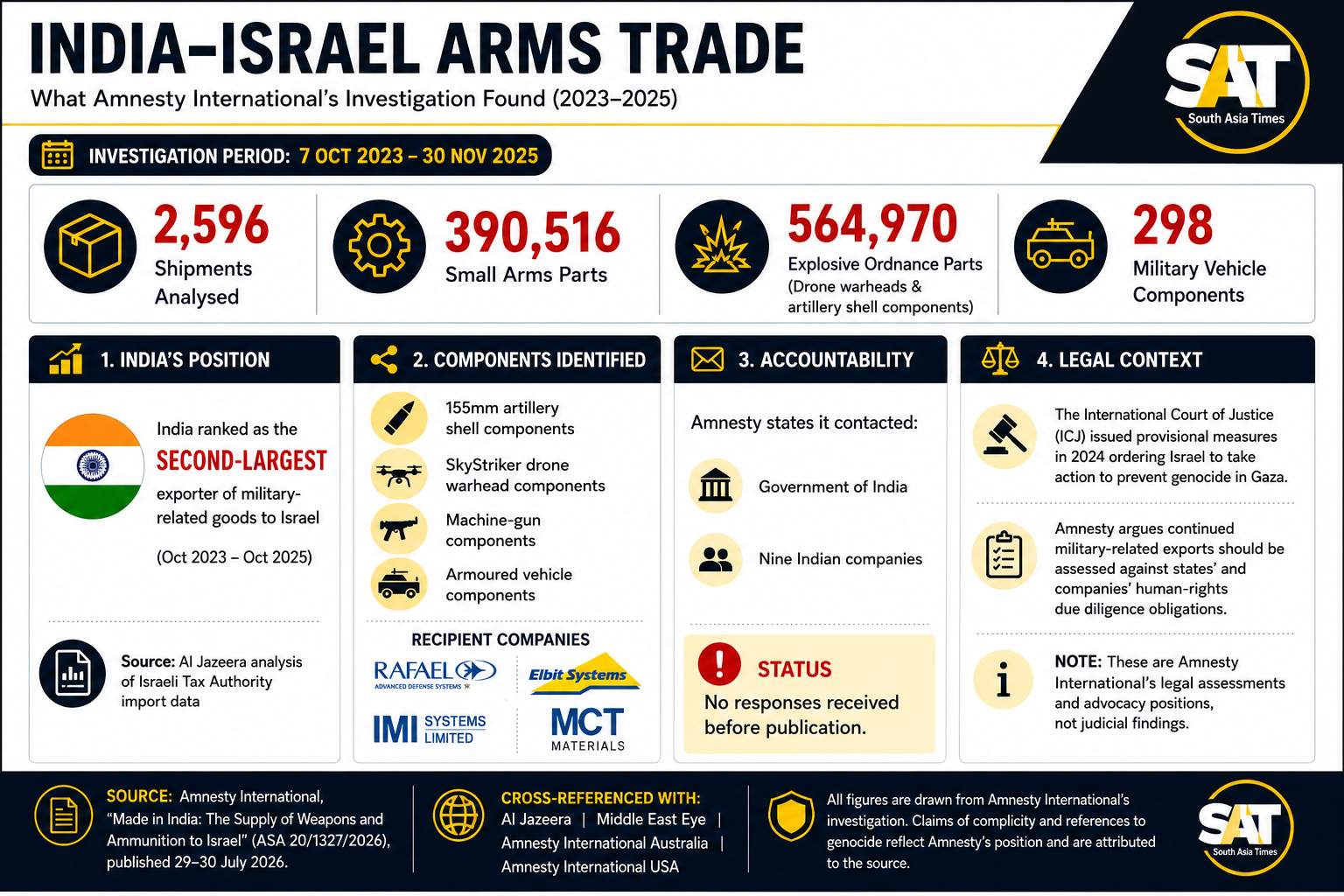
The 2021 US withdrawal from Afghanistan was more than the end of a long war, it was a poorly executed exit that triggered the rapid collapse of the Afghan state. The fall of Kabul, the Abbey Gate attack, and the return of militant groups exposed serious gaps in planning and coordination.

Read More »