
The Afghan Crucible

Recent reporting underscores Afghanistan’s transformation into a strategic hub for transnational jihadist networks. Far from being a localized security problem, the Afghan landscape now functions as an ideological, logistical, and digital anchor linking extremist affiliates across Africa, Southeast Asia, and beyond, signaling the collapse of regional containment and the rise of a globalized threat architecture.
Economic Statecraft and the New Geography of Power in Regional Politics

Strategic competition has moved beyond decisive wars toward a subtler synthesis of economic leverage, proxy networks, and calibrated force. Infrastructure, finance, and trade routes now function as instruments of power, quietly reshaping regional orders while preserving the façade of restraint. In this environment, security is no longer confined to the battlefield but embedded in supply chains, data networks, and development choices, forcing states to rethink deterrence, sovereignty, and resilience.
The Manufacturing of a False Equivalence
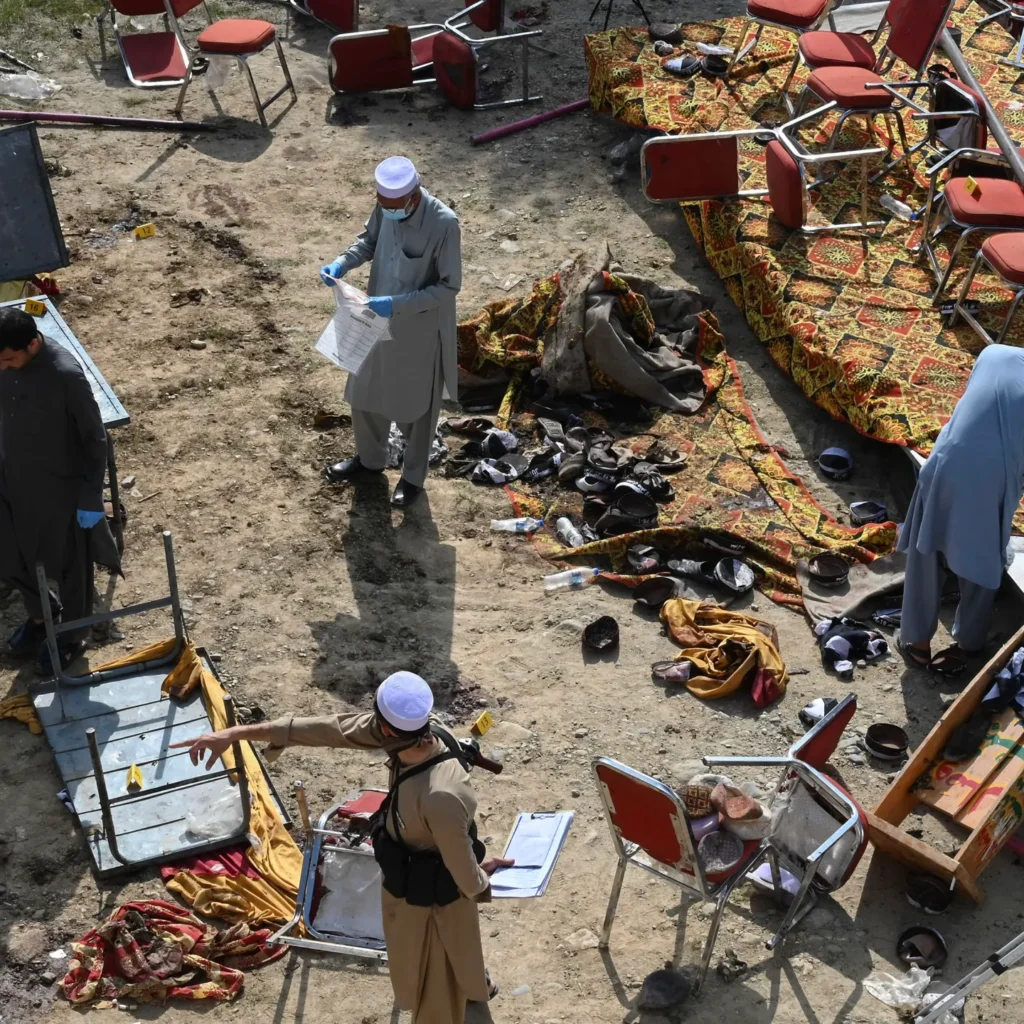
As scrutiny mounts over the Taliban’s tolerance of TTP sanctuaries, Kabul has attempted to deflect blame by alleging that ISIS-K operates from Pakistan. This false equivalence ignores the historical origins of ISIS-K in eastern Afghanistan, its sustained campaign of violence against Pakistan, and verified intelligence showing that the group’s operational depth remains rooted inside Afghan territory.
Safety beyond Borders: PNRA’s Contribution to a Safe and Secure World
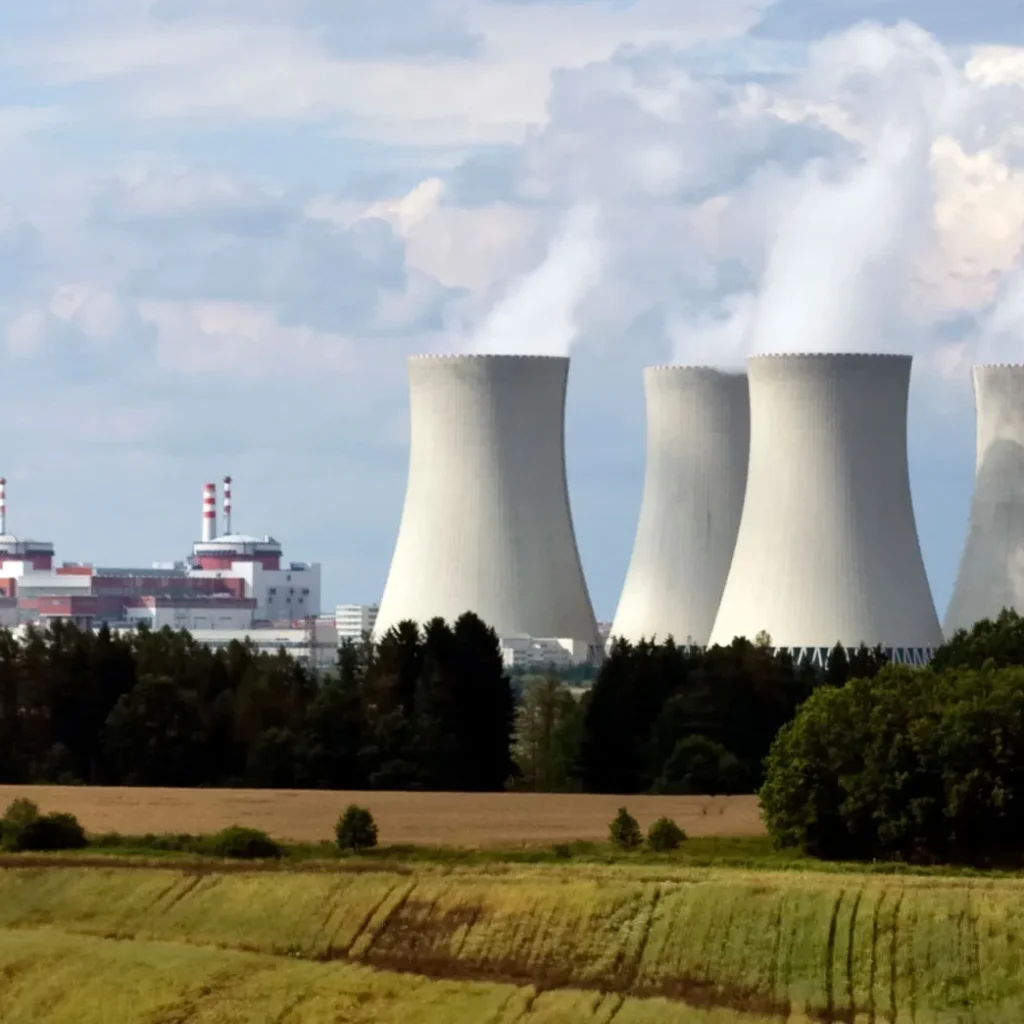
Pakistan’s Nuclear Regulatory Authority plays a pivotal role in advancing global nuclear safety by aligning national regulation with international standards. Through active engagement with the IAEA, multilateral forums, peer reviews, and bilateral cooperation, PNRA demonstrates how responsible nuclear governance transcends borders and contributes to collective international security.