
Islamabad MoU Enters Implementation Phase as Pakistan’s Diplomacy Transitions from Political Breakthrough to Structured Peace Architecture
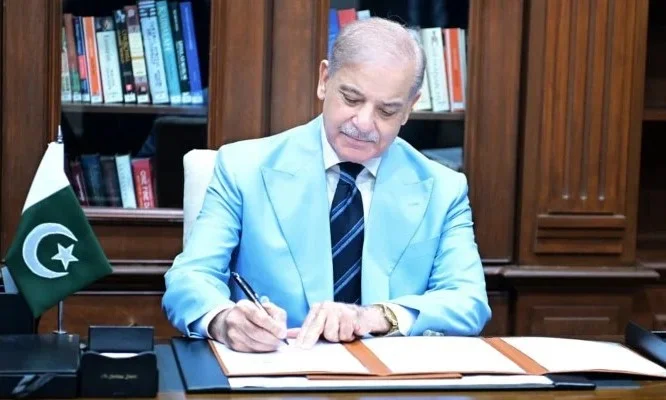
There is a tendency in the commentary on diplomatic breakthroughs to conflate the moment of announcement with the substance of achievement, to measure success by the grandeur of the signing ceremony, the television imagery of handshakes, and the choreography of state visits. The Islamabad Memorandum of Understanding resists this tendency, and in doing so, reveals […]
The Encirclement Arc: Pakistan’s New Geography of Conflict
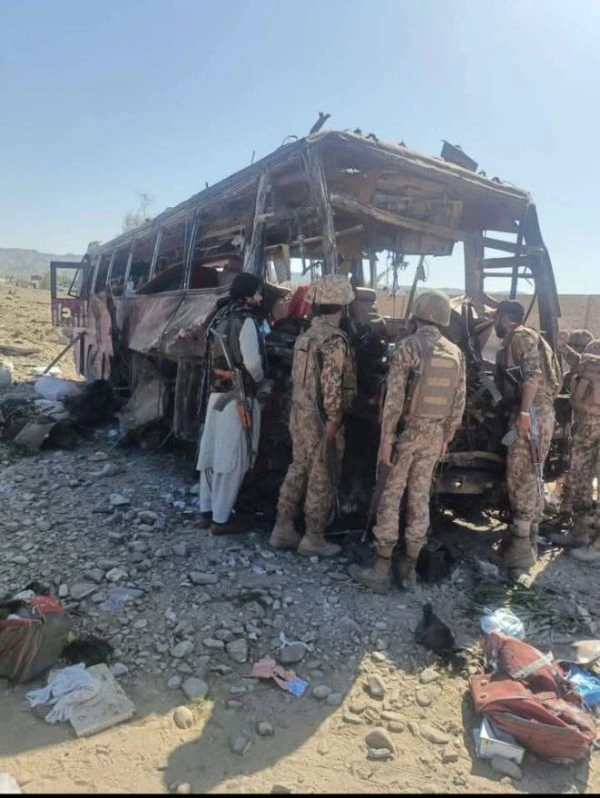
Pakistan faces a “triple-front” encirclement as northern sectarianism, western insurgencies, and southern maritime instability converge, threatening the state’s economic survival and territorial integrity.
Pakistan Navy: A Guardian of the Sea amid Closure of Hormuz
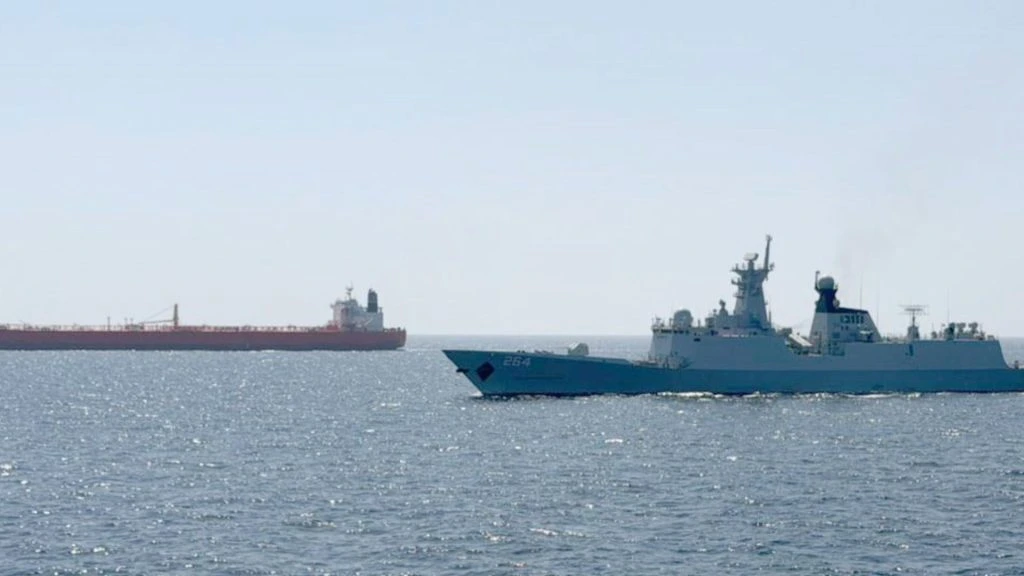
The growing tensions among the United States, Israel, and Iran signal more than a regional crisis. It essentially reflects an ongoing transformation in the global order, with far-reaching implications for maritime and strategic stability. The growing confrontation, marked by high-stakes military posturing and attempts at strategic decapitation, underscores the limits of traditional power hierarchies, as […]
The Islamabad Bridge: Navigating the Ruins of a Unipolar Order
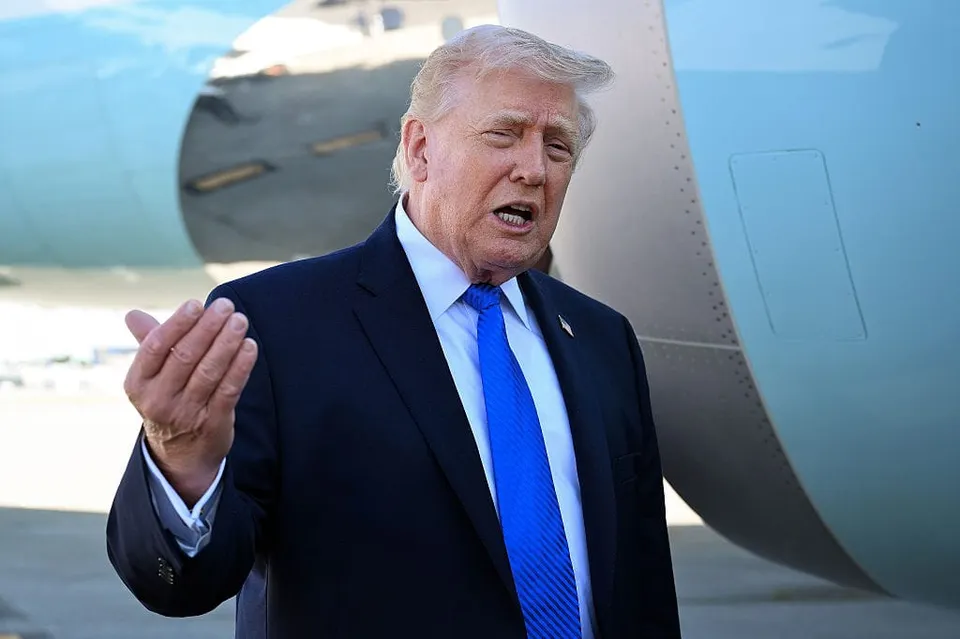
The 2026 US-Iran conflict serves as a “Suez Moment” for American hegemony, exposing the terminal decline of the post-1945 rules-based order. As US security guarantees fracture, global allies are shifting toward “major hedging” and regional autonomy to protect their own energy and economic interests. In this vacuum, Pakistan has transitioned from a frontline state to a pivotal mediator, leveraging the Islamabad Talks to define a new era of transactional multipolarity. This shift prioritizes terrestrial connectivity and local stabilization over the unilateral dictates of a distant hegemon.
Pakistan Navy’s Quiet Deterrence: Neutralizing India’s Maritime Signaling
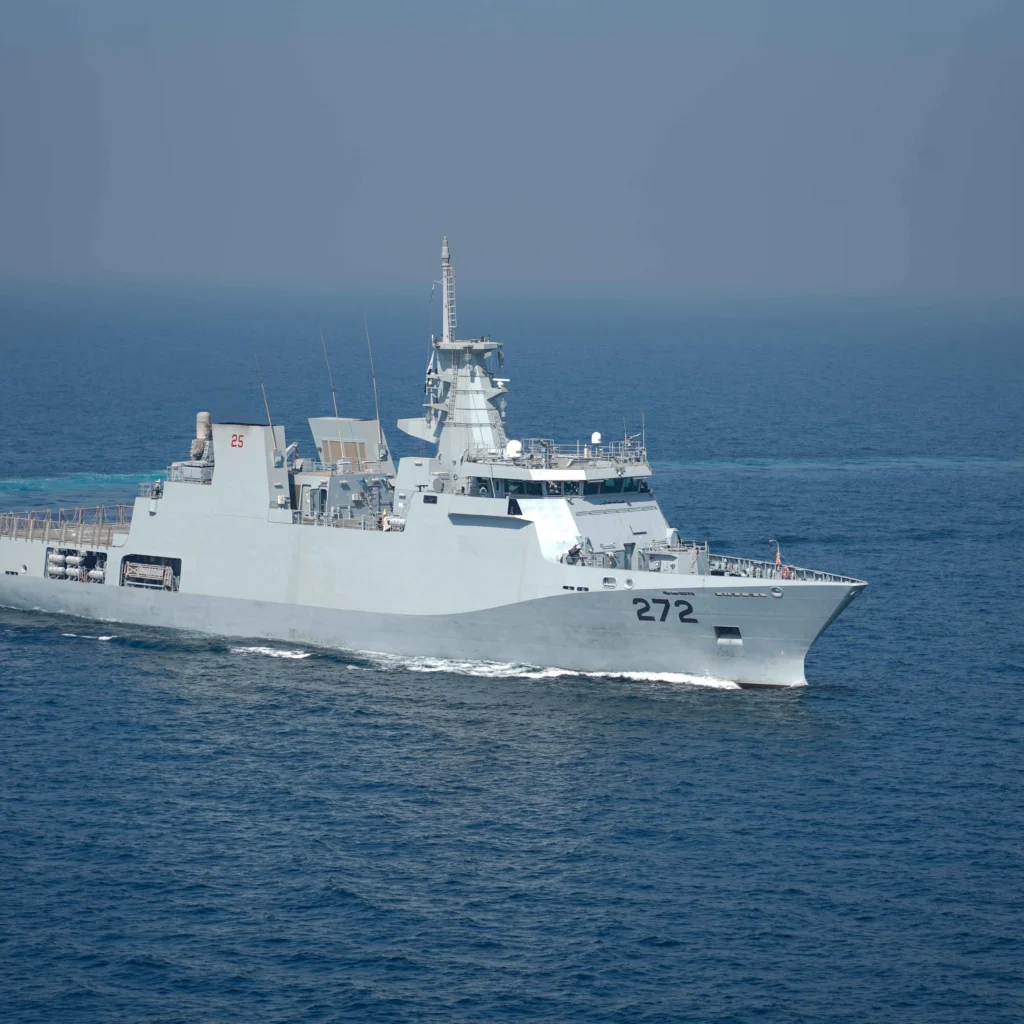
After Operation Sindoor, Pakistan’s Navy showed it can deter India at sea through stealth, layered defenses, and nuclear capability.
US Designates Yemen’s Houthis as ‘Terrorist Organisation’
![The US re-designates Yemen’s Houthi movement as a terrorist organisation, citing threats to regional security and trade. [Image via Reuters]](https://southasiatimes.org/wp-content/uploads/2025/03/2024-02-04T080842Z_1636458874_RC2KV5ALOEK1_RTRMADP_3_ISRAEL-PALESTINIANS-YEMEN-HOUTHIS-1709033488.webp)
The US re-designates Yemen’s Houthi movement as a terrorist organisation, citing threats to regional security and trade.
Charting a New Course: Pakistan’s AMAN-2025 Sets Sail of Maritime Diplomacy
![Naval commanding officers of participating countries salute as Pakistan Navy’s servicemen hoist the national flags during the opening ceremony of Pakistan Navy’s 9th Multinational Maritime Exercise AMAN-25, under the slogan “Together for Peace,” in Karachi on February 7, 2025. [Image via Arab News/ REUTERS].](https://southasiatimes.org/wp-content/uploads/2025/02/aman25-d4-1024x707.webp)
Conclusion of AMAN-2025: Pakistan Navy’s multilateral exercise showcasing maritime security, diplomacy, and unity.
Bangladesh Navy Ship Heads to Pakistan for AMAN Exercise
![Bangladesh Navy Ship Samudra Joy departs for Exercise Aman-2025 in Pakistan, fostering regional cooperation and maritime security. [Image via Dhaka Tribune]](https://southasiatimes.org/wp-content/uploads/2025/01/Rel-01-1-8703c8a5855fe6730a4f7afa02337c60-1024x618.webp)
Bangladesh Navy Ship Samudra Joy departs for Exercise Aman-2025 in Pakistan, fostering regional cooperation and maritime security.
Submarines from China-Pakistan Naval Cooperation Project to Join Pakistan Navy Soon: Pakistani Naval Chief
![Explore the deepening Pakistan-China naval cooperation, from joint exercises to advanced submarines and future prospects. [Courtesy: Pakistan Navy]](https://southasiatimes.org/wp-content/uploads/2025/01/99ee183e-5272-4996-8f9d-0fd5abd05c69-1024x720.webp)
Explore the deepening Pakistan-China naval cooperation, from joint exercises to advanced submarines and future prospects.
Riding the Tides: Pak-US Maritime Alliance and Future Prospects
![AMAN 2025 marks a key moment for the Pak-US Maritime Alliance as both nations join forces for deeper collaboration, shared security, and regional prosperity. [Image via Dawn]](https://southasiatimes.org/wp-content/uploads/2025/01/60c2ca1267f12.webp)
AMAN 2025 marks a key moment for the Pak-US Maritime Alliance as both nations join forces for deeper collaboration, shared security, and regional prosperity.