
The Ghost of a Nation: Why the Battle for a Contiguous Palestine is Being Lost in the West Bank
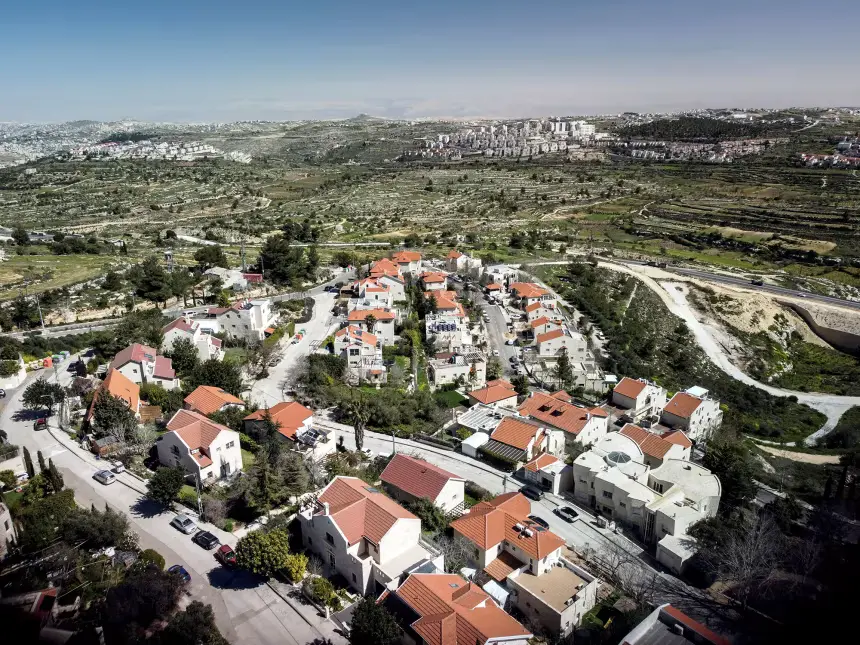
While global headlines remain locked onto the fragile transitions of Gaza’s post-ceasefire governance, a quiet, surgical erasure is taking place just a few dozen kilometers away. For the Pakistani observer, emotionally tethered to the promise of a sovereign Palestinian state, it is time to look past the immediate humanitarian catastrophe and confront a sobering geographic […]
The Architecture of Restraint: How Nuclear Deterrence Preserves Peace in South Asia
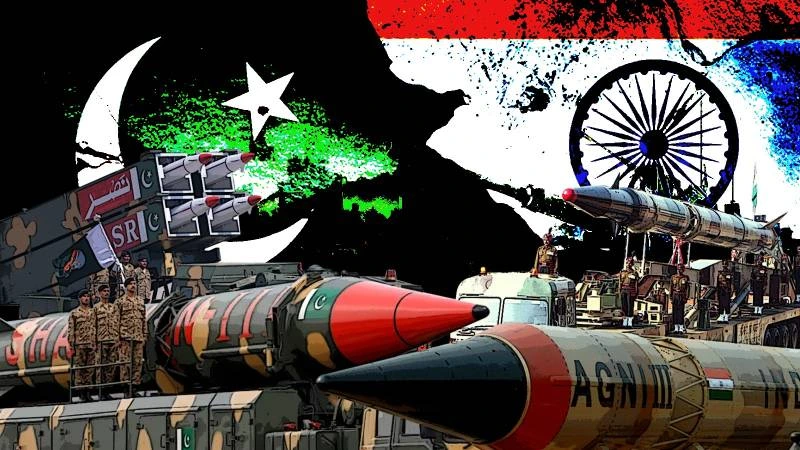
For over a quarter-century, mutual nuclear capabilities have replaced conventional asymmetries in South Asia, acting as an absolute structural brake against full-scale war.
Headlines vs. Diplomacy—The Danger of Sensationalized Mediation
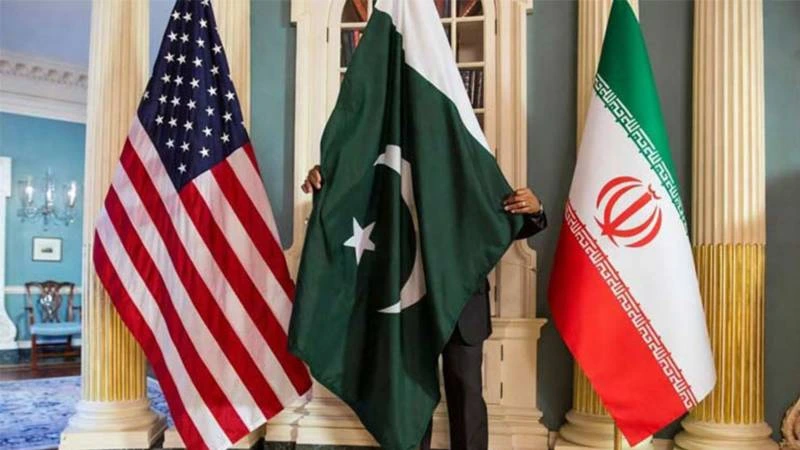
Pakistan’s role as a vital US-Iran mediator is being unfairly maligned by sensationalist media narratives that prioritize performative outrage over successful, quiet diplomacy.
Marka-e-Haq: A Defense of Sovereignty, Not an Act of Retaliation
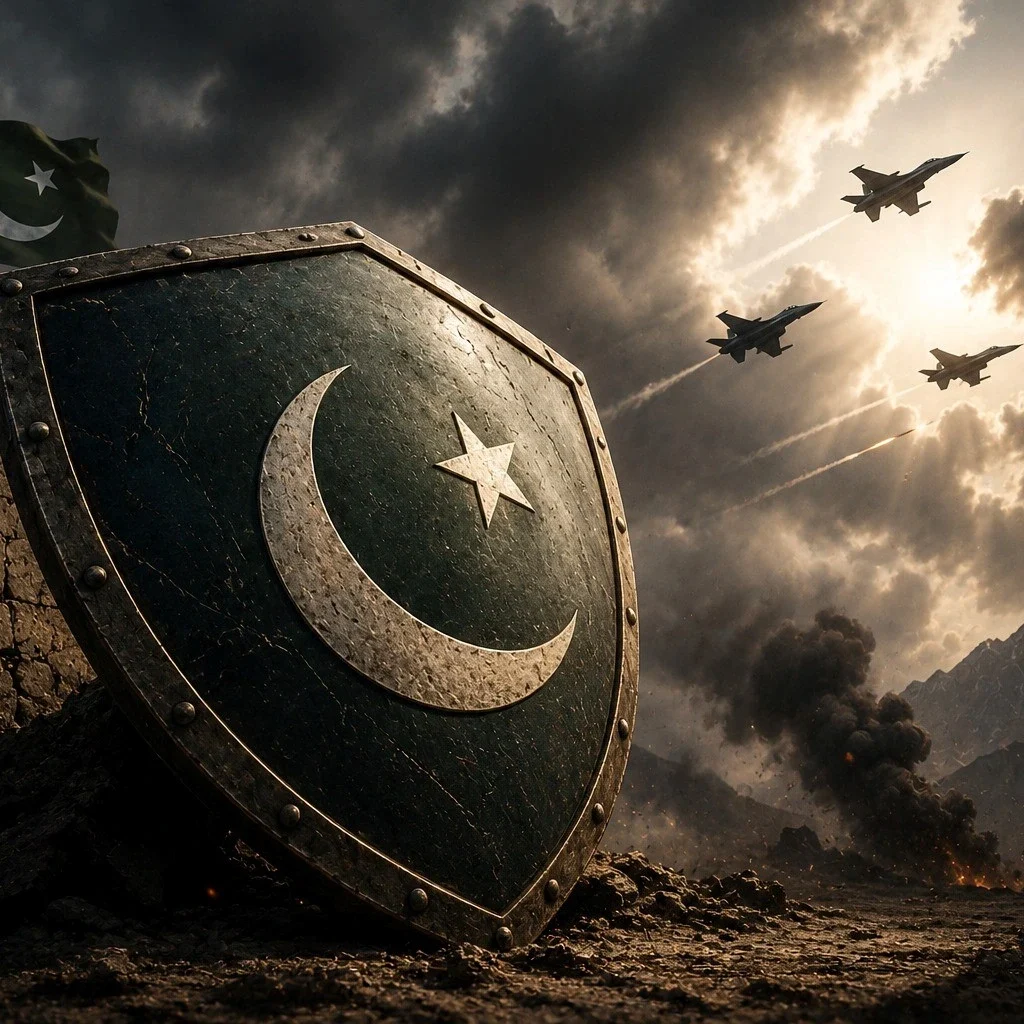
Explore the geopolitical significance of Marka-e-Haq. Discover why Pakistan’s response to the May 2025 conflict was a vital defense of sovereignty and international law against unprovoked aggression.
The Encirclement Arc: Pakistan’s New Geography of Conflict
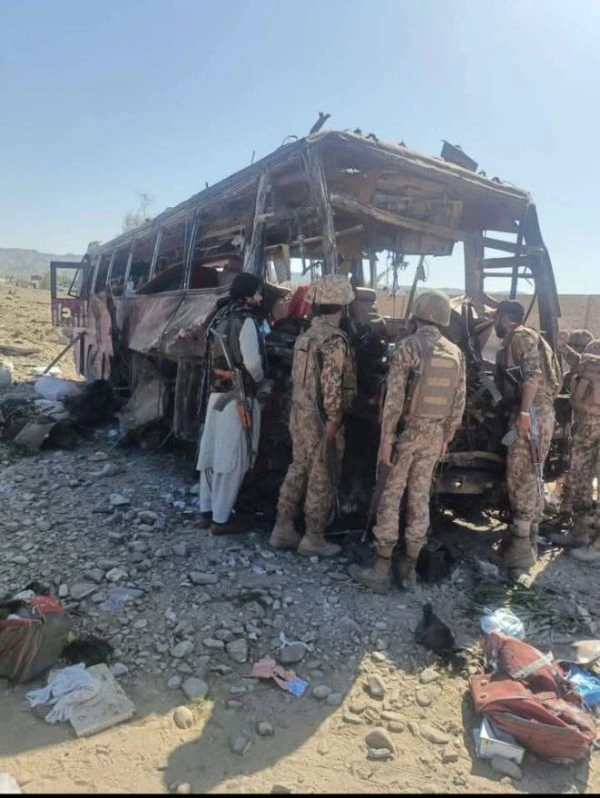
Pakistan faces a “triple-front” encirclement as northern sectarianism, western insurgencies, and southern maritime instability converge, threatening the state’s economic survival and territorial integrity.
The Great Uncoupling: What the UAE’s OPEC Exit Means for Pakistan’s Pumps
The UAE’s exit from OPEC signals a seismic shift in energy politics, potentially flooding markets with oil and offering Pakistan a crucial economic lifeline.
The Myth of the Disputed Line: Why Afghan Pragmatism is Finally Overturning Populist Rhetoric
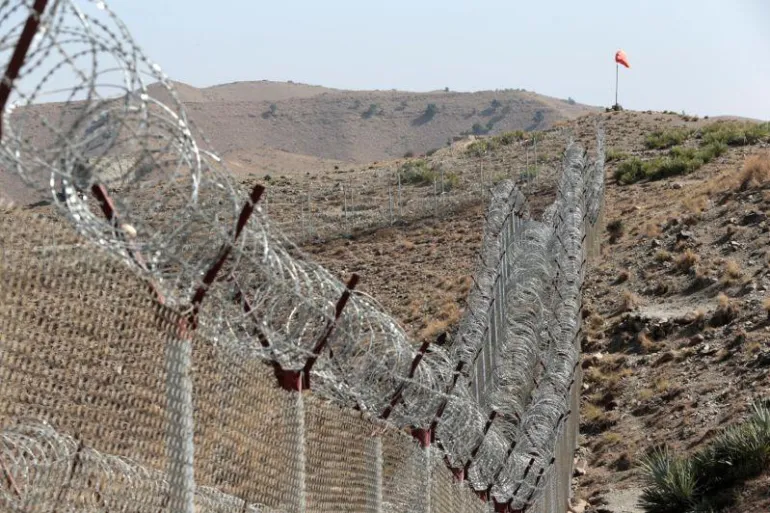
A transformative shift is emerging in Afghan political discourse as leaders like Mohammad Tahir Zuhair and the National Resistance Front (NRF) move toward formal recognition of the Durand Line. By prioritizing “historical realism” over populist rhetoric, these voices suggest that nearly 80% of Afghans seek peace and trade over territorial disputes. This shift offers a rare opportunity to transition Pak-Afghan relations from decades of suspicion to a strategic partnership rooted in internationally recognized boundaries. A transformative shift is emerging in Afghan political discourse as leaders like Mohammad Tahir Zuhair and the National Resistance Front (NRF) move toward formal recognition of the Durand Line. By prioritizing “historical realism” over populist rhetoric, these voices suggest that nearly 80% of Afghans seek peace and trade over territorial disputes. This shift offers a rare opportunity to transition Pak-Afghan relations from decades of suspicion to a strategic partnership rooted in internationally recognized boundaries.
The Islamabad Bridge: Navigating the Ruins of a Unipolar Order
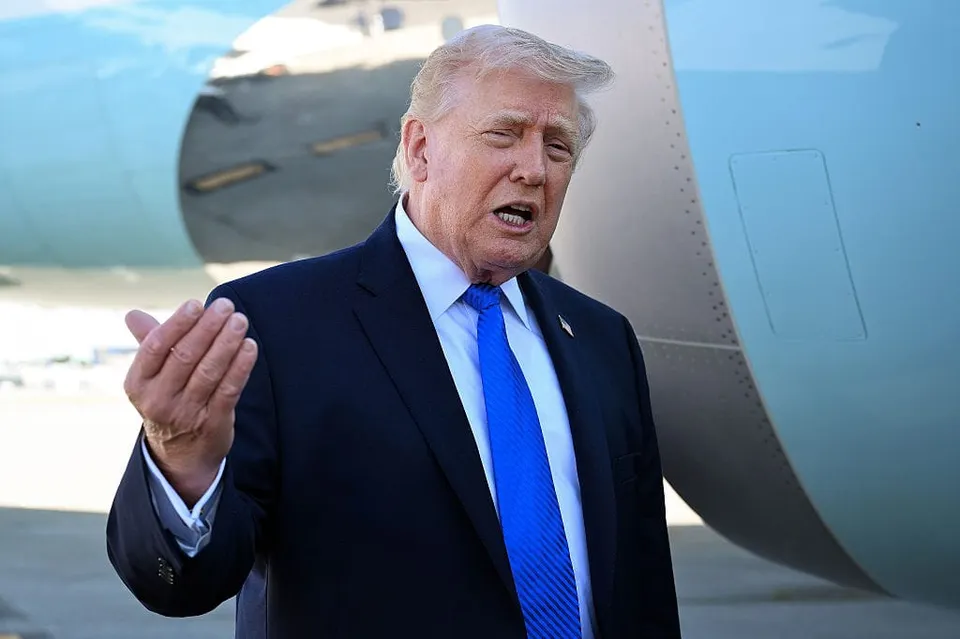
The 2026 US-Iran conflict serves as a “Suez Moment” for American hegemony, exposing the terminal decline of the post-1945 rules-based order. As US security guarantees fracture, global allies are shifting toward “major hedging” and regional autonomy to protect their own energy and economic interests. In this vacuum, Pakistan has transitioned from a frontline state to a pivotal mediator, leveraging the Islamabad Talks to define a new era of transactional multipolarity. This shift prioritizes terrestrial connectivity and local stabilization over the unilateral dictates of a distant hegemon.
The Mirage of “Nuclear Islamism”: Why the Pakistan-Iran Comparison Fails
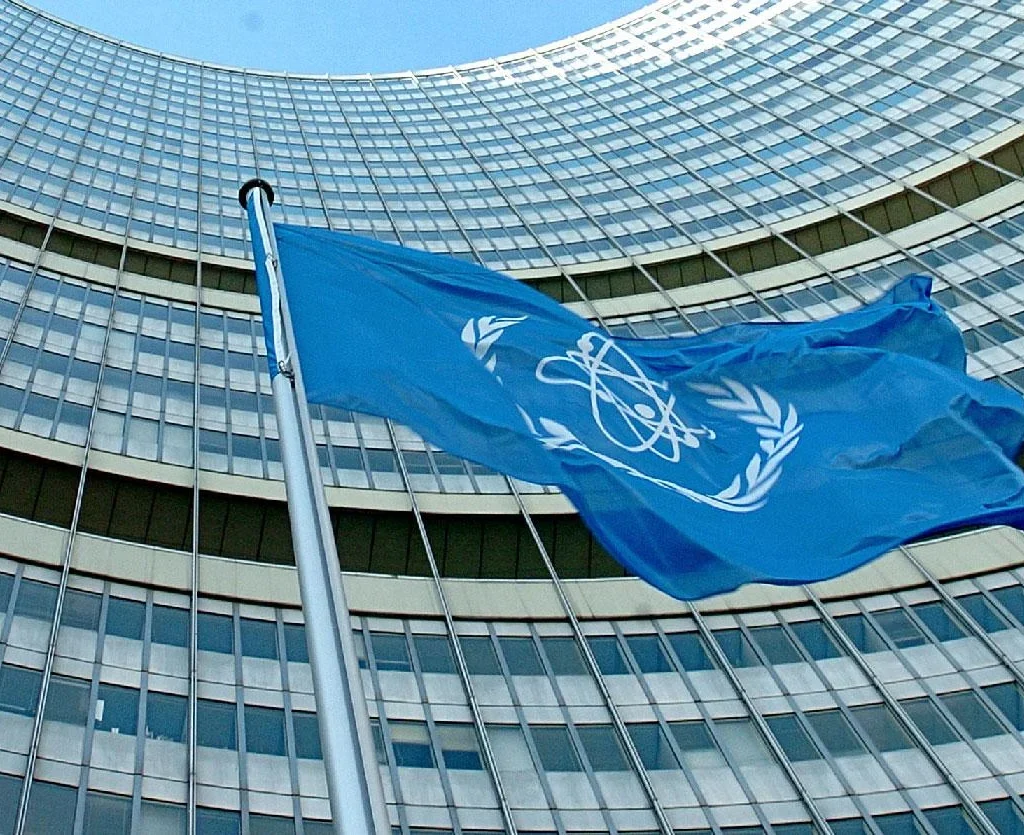
This commentary critiques Brahma Chellaney’s “nuclear Islamism” narrative, arguing that grouping Pakistan and Iran ignores critical legal and strategic realities. It highlights the disparity in non-proliferation enforcement, specifically contrasting the treatment of NPT signatories with the strategic exceptions granted to India. By deconstructing ideological framing, the text advocates for a foreign policy analysis rooted in treaty architecture rather than religious identity.
The Silent Architect—Pakistan’s Legacy of Peace
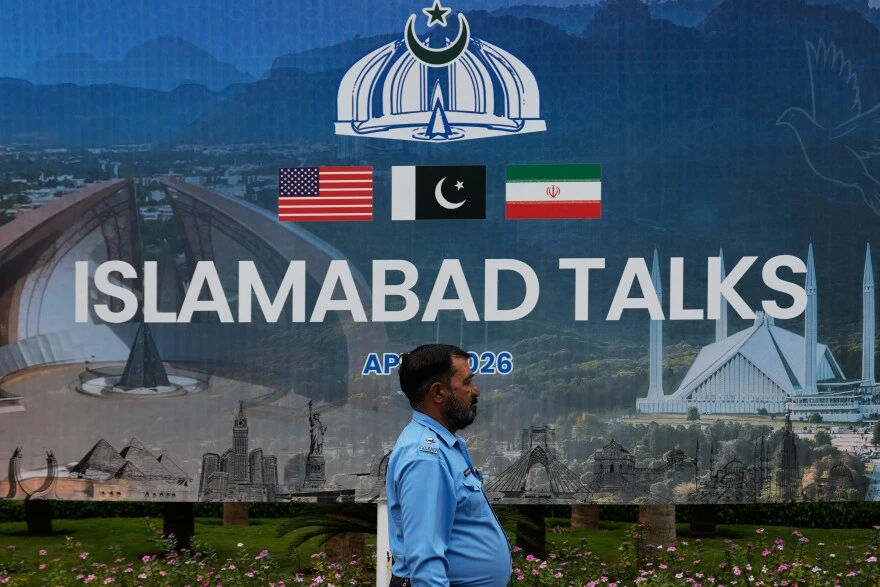
The evolution of Pakistan’s foreign policy from Cold War conduit to contemporary regional mediator, emphasizing its role in facilitating dialogue between antagonistic global powers.