
Strategic Autonomy: Why Pakistan Rejects Flawed Nuclear Treaties to Prioritize National Survival
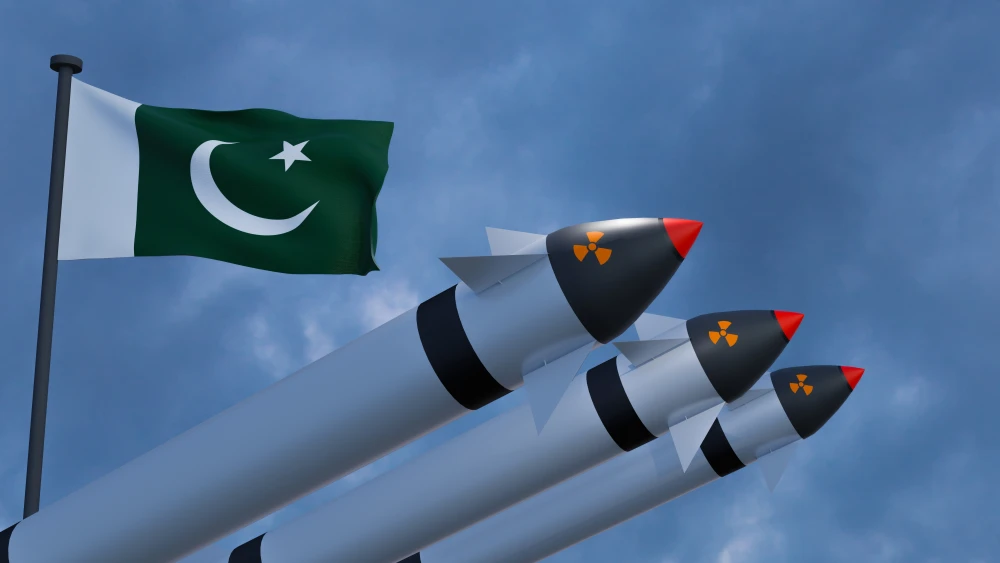
The regional strategic environment dictates that Pakistan’s engagement with global nuclear treaties remains a calculated exercise in balancing national survival against international pressure. Far from a position of stubborn isolationism, Islamabad’s stance on major disarmament frameworks represents a deeply deliberate, defense-first doctrine that refuses to compromise sovereign security for superficial diplomatic praise. At the center […]
Marka-e-Haq: Experts Hail Pakistan’s Strategic Maturity at Landmark Book Launch
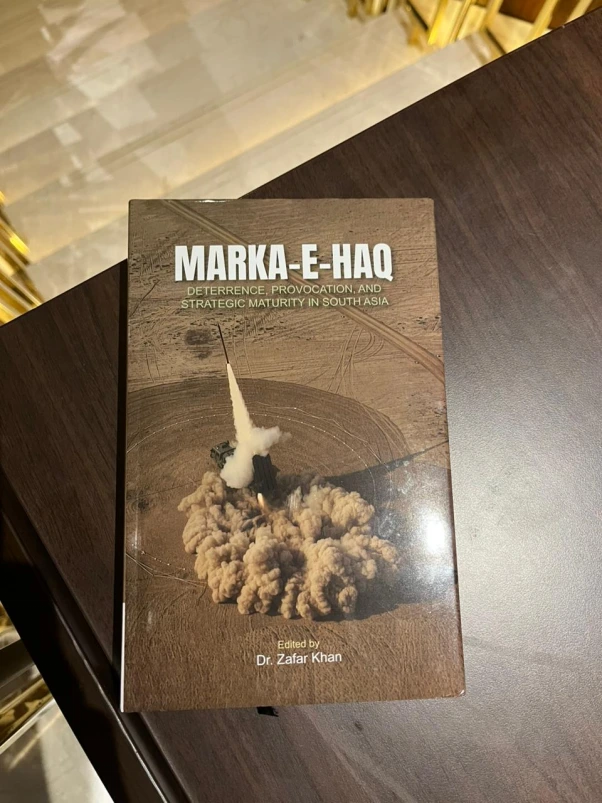
Prominent leaders gather in Islamabad for the launch of “Marka-e-Haq: Deterrence, Provocation and Strategic Maturity in South Asia,” a book analyzing Pakistan’s victory and strategic resolve.
The End of Patient Capital: How Pakistan’s Balance Sheet Became a Battlefield
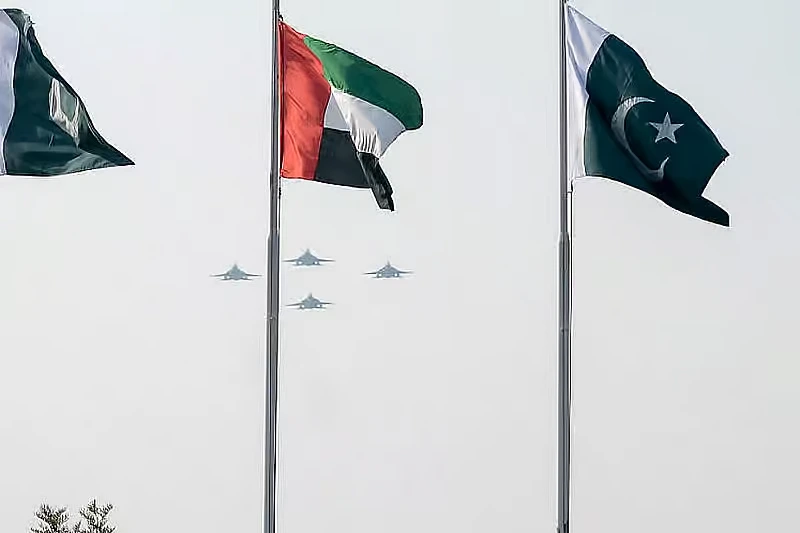
The April 2026 fluctuations in Pakistan’s foreign reserves mark the definitive end of “patient capital” in Gulf diplomacy. As the UAE withdrew $3.45 billion and Saudi Arabia countered with a multi-year extension, the sovereign deposit was transformed from a neutral financial tool into a binary political referendum. Pakistan’s balance sheet now serves as a live map of regional realignment, proving that in the new Middle East, strategic neutrality carries a precise fiscal value.
The Myth of the Disputed Line: Why Afghan Pragmatism is Finally Overturning Populist Rhetoric
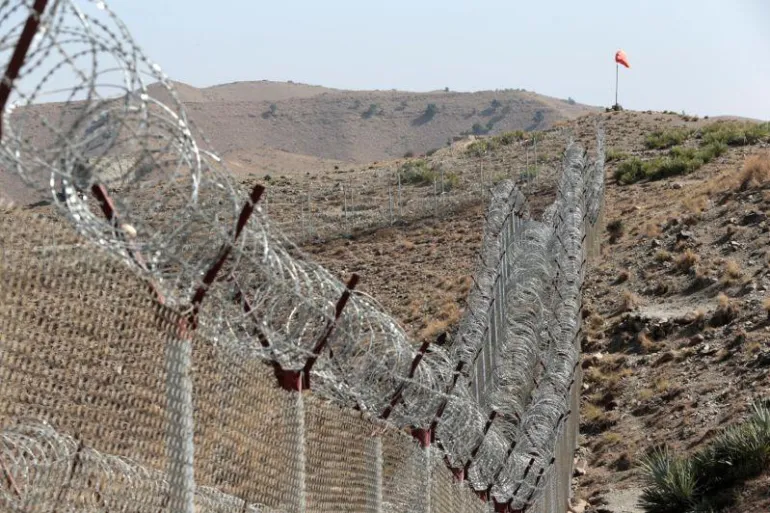
A transformative shift is emerging in Afghan political discourse as leaders like Mohammad Tahir Zuhair and the National Resistance Front (NRF) move toward formal recognition of the Durand Line. By prioritizing “historical realism” over populist rhetoric, these voices suggest that nearly 80% of Afghans seek peace and trade over territorial disputes. This shift offers a rare opportunity to transition Pak-Afghan relations from decades of suspicion to a strategic partnership rooted in internationally recognized boundaries. A transformative shift is emerging in Afghan political discourse as leaders like Mohammad Tahir Zuhair and the National Resistance Front (NRF) move toward formal recognition of the Durand Line. By prioritizing “historical realism” over populist rhetoric, these voices suggest that nearly 80% of Afghans seek peace and trade over territorial disputes. This shift offers a rare opportunity to transition Pak-Afghan relations from decades of suspicion to a strategic partnership rooted in internationally recognized boundaries.
Pakistan’s Streets and Iran’s War: The Cost of Weaponizing Islamic Solidarity
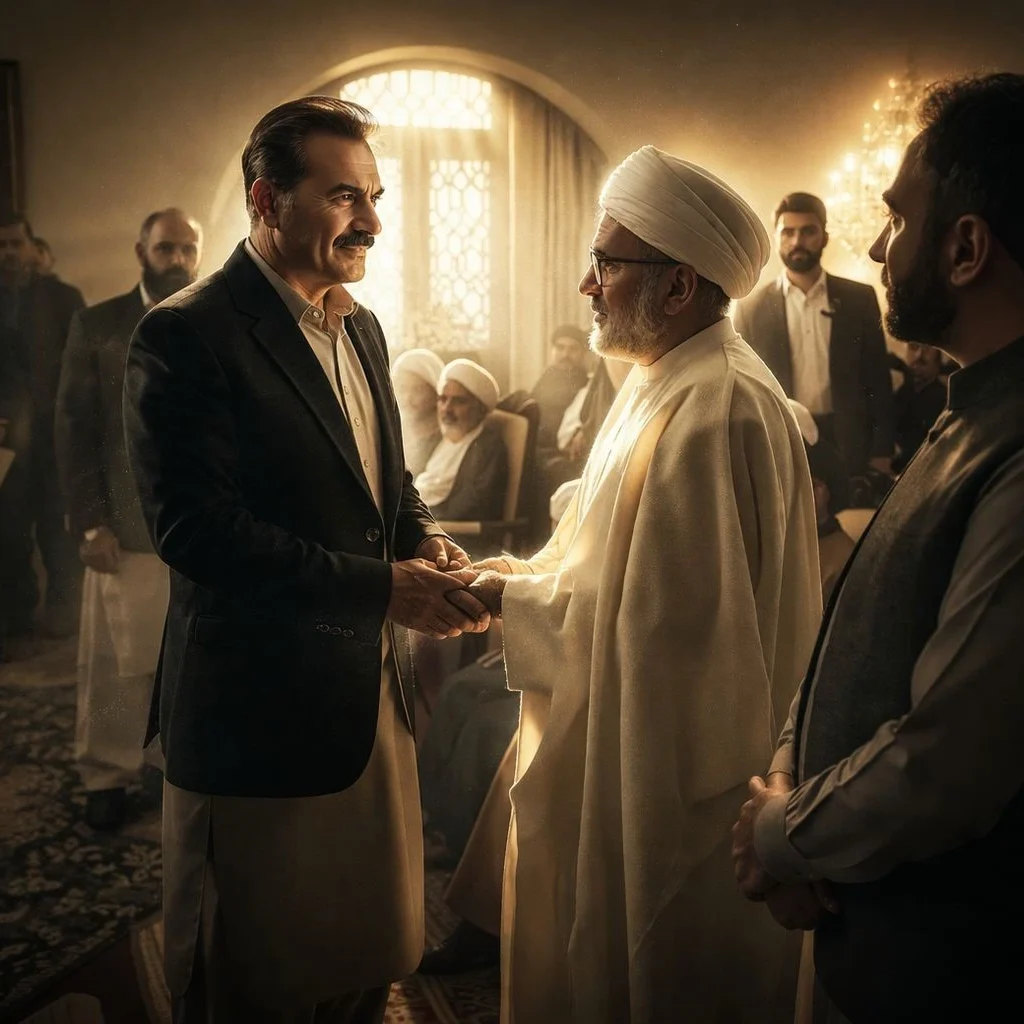
A hard-hitting analysis of how the idea of the Ummah is weaponized in geopolitics, and why Pakistan continues to bear the human, economic, and strategic costs of conflicts that are not its own.
India’s Coercive Foreign Policy in 2025
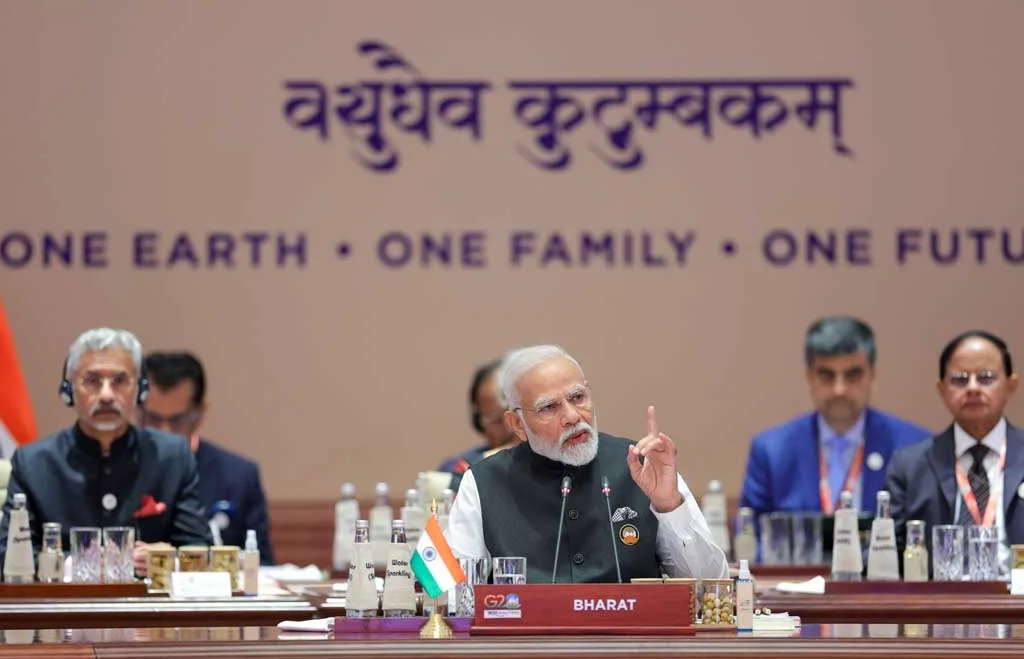
India’s foreign policy in 2025 marks a clear break from its earlier soft-power orientation, shifting toward overt coercion and interference. Once seen as a restrained global actor, India now increasingly relies on hard power, diplomatic pressure, and transnational repression to shape external outcomes. Through cases in Canada, Pakistan, Bangladesh, and Türkiye, this article shows how India has adopted a more assertive—and often destabilizing—approach to protect its expanding ambitions, using tools ranging from foreign interference to military escalation and economic coercion.
Nepal PM Oli Hints at Strained Ties with Modi After Bangkok Bimstec Summit
![Remarks of PM Oli hint at strained ties with India despite claims of understanding with Modi during Bimstec summit in Bangkok. [Image via The Kathmandu Post]](https://southasiatimes.org/wp-content/uploads/2025/04/thumb10.webp)
Remarks of PM Oli hint at strained ties with India despite claims of understanding with Modi during Bimstec summit in Bangkok.
Pentagon Tasked With Providing ‘Military Options’ To Ensure US Access To Panama Canal, Official Says
![Trump administration considers military options for ensuring US access to the Panama Canal amid strategic concerns. [Image via EPA]](https://southasiatimes.org/wp-content/uploads/2025/03/3440-1024x1024.webp)
Trump administration considers military options for ensuring US access to the Panama Canal amid strategic concerns.
China Begins Major Political Meetings As US Tariffs Loom
![Top political meetings in China tackle economic challenges, US tariffs, tech innovation, and policy shifts amid global tensions. [Image via AP]](https://southasiatimes.org/wp-content/uploads/2025/03/3bf81b1a-973d-43ad-eed5-08dd4a81f35f_cx0_cy7_cw0_w1023_r1_s.webp)
Top political meetings in China tackle economic challenges, US tariffs, tech innovation, and policy shifts amid global tensions.
Pakistan and China Reaffirm Bilateral Relations, Dar Rejects Allegations in Diplomatic Talks
![Deputy PM Dar reaffirms Pakistan's commitment to China, strengthening ties and economic cooperation through CPEC. [Image via X/@ForeignOfficePk]](https://southasiatimes.org/wp-content/uploads/2025/01/GiXaPrbXwAA8SP0-768x514-1.webp)
Deputy PM Dar reaffirms Pakistan’s commitment to China, strengthening ties and economic cooperation through CPEC.