![Trump's executive order targets pro-Palestinian protests, with plans to cancel visas and deport protesters involved. [Image via Reuters/File]](https://southasiatimes.org/wp-content/uploads/2025/01/BeFunky-collage1714202174-0.webp)
US President Donald Trump is set to sign an executive order on Wednesday aimed at addressing rising antisemitism, following the deadly October 7, 2023, Hamas attack on Israel.
According to a White House official, the order will focus on prosecuting violent acts against American Jews and pledging to deport non-citizen students and others involved in pro-Palestinian protests, especially those with alleged ties to Hamas.
The executive order details “immediate action” by the Justice Department to target antisemitic threats, vandalism, and violence, calling on federal agencies to work together to combat the surge in such incidents.
“To all the resident aliens who joined in the pro-jihadist protests, we put you on notice: come 2025, we will find you, and we will deport you,” Trump stated in a fact sheet outlining the order.
The order also promises swift action to cancel the student visas of anyone found to sympathize with Hamas, accusing US college campuses of becoming “infested with radicalism.”
The move comes amid months of protests across US college campuses, following the Hamas attacks and Israel’s retaliatory strikes on Gaza.
These protests, initially sparked by the violence in Gaza, have been marred by reports of antisemitic and anti-Arab incidents, with civil rights groups documenting increased hate speech and violence.
However, many protestors have denied supporting Hamas, emphasizing their opposition to Israel’s military actions in Gaza, which has resulted in over 47,000 deaths, including many women and children.
Under the new order, federal agencies will be required to submit recommendations within 60 days on how existing laws can be leveraged to combat antisemitism. Additionally, the order mandates the removal of resident aliens who engage in unlawful activities.
Protesters are accused of damaging Jewish institutions, harassing Jewish students, and vandalizing US monuments.
The Council on American-Islamic Relations (CAIR) condemned the order, calling it an infringement on free speech and Palestinian rights. The group described the order as “dishonest, overbroad, and unenforceable.”
The move also draws criticism from civil liberties organizations, which argue that it risks criminalizing political expression and undermining free speech.
As Trump’s 2024 re-election campaign intensifies, his administration’s stance on pro-Palestinian activism has become a significant issue.
During his campaign, Trump had already pledged to deport individuals involved in such protests, and this new executive order further demonstrates his commitment to that promise.
This action follows a controversial executive order signed on Trump’s first day in office, which targeted travel from predominantly Muslim countries, and it signals an ongoing tightening of immigration policies and ideological exclusions under the guise of national security concerns.
As tensions continue to rise both domestically and internationally over the conflict in Gaza, student protests have spread beyond the US to Canada and Europe, where academic workers have also protested university responses to the demonstrations.
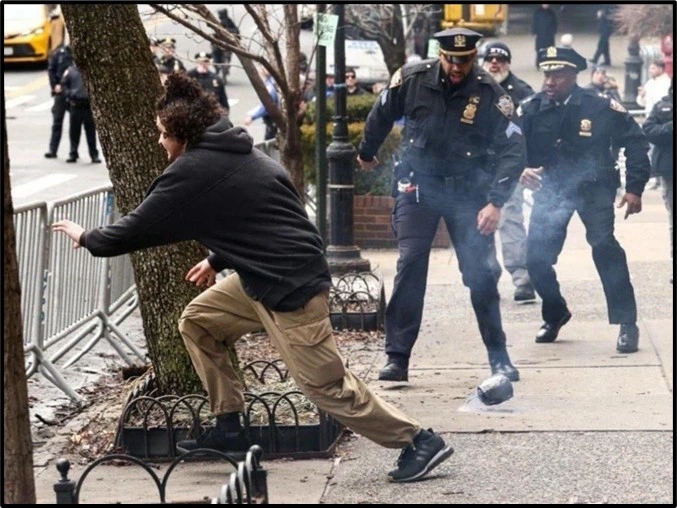
Pro-Palestinian protests have sparked clashes between students and university officials, with some institutions cancelling in-person classes and several demonstrators arrested.
This news is sourced from The Express Tribune and is intended for informational purposes only.