
Zalmay Khalilzad’s Distortion of Pakistan’s Security Realities
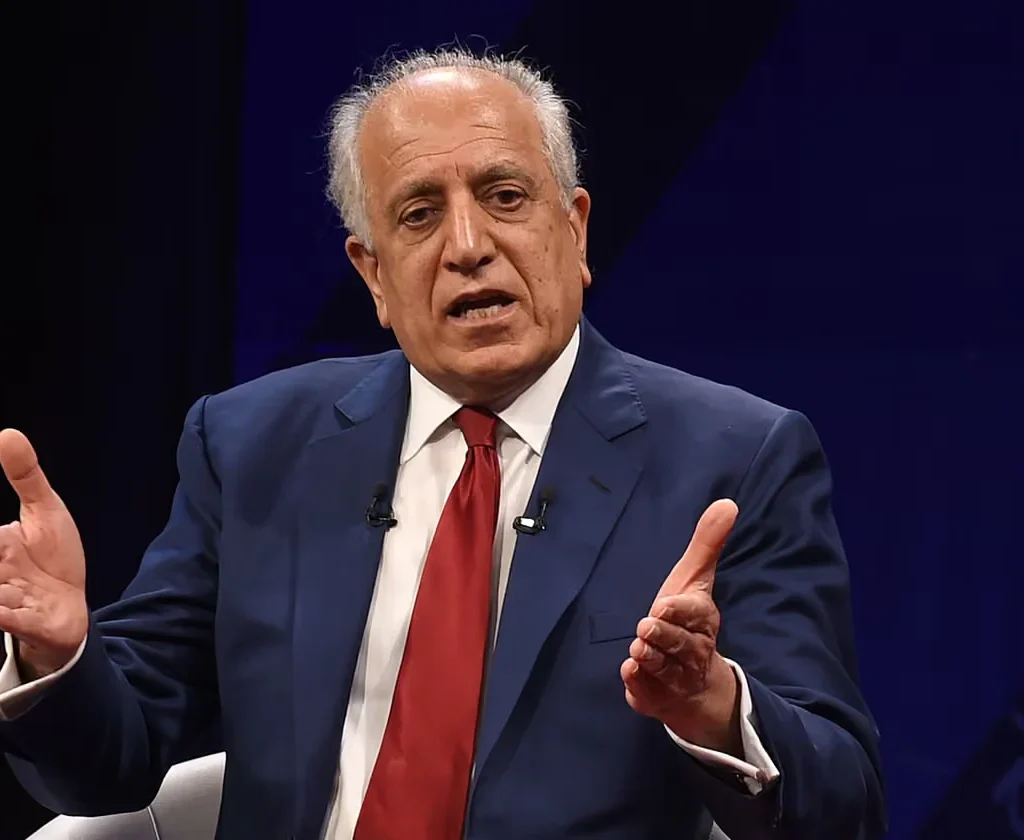
Zalmay Khalilzad’s recent tweets portray Pakistan as collapsing, criticizing counterterrorism operations while ignoring the real drivers of instability in Balochistan: foreign-backed terrorism, criminal networks, and the civilian and security force toll. By conflating state action with militancy, he misrepresents ground realities and obscures the failures of his own Afghan diplomacy. This commentary exposes the gap between his rhetoric and Pakistan’s efforts to maintain law, order, and development under complex security challenges.
Broken Promises, Renewed Threats: Time to Hold TTA Accountable
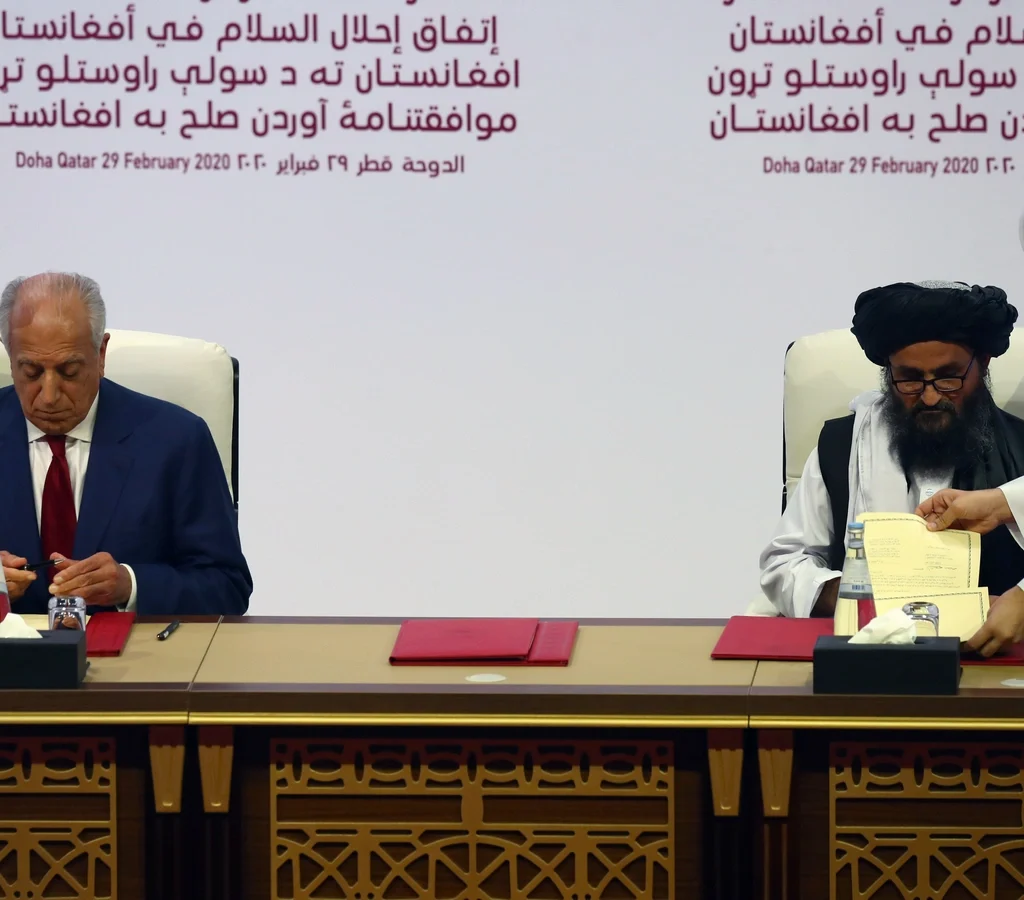
Five years after the Doha Accord, the Taliban have broken key commitments: 5,000 released prisoners returned to combat, 89% of government posts are held by Pashtuns, and women remain barred from education and work. Afghan soil hosts 6,000–6,500 TTP and Al-Qaeda fighters, with TTP chief Noor Wali Mehsud receiving $43,000/month. Pakistan has neutralized 267 Afghan terrorists in 2025, while 58 terrorist camps operate under Taliban knowledge. Despite the US aid, compliance is minimal. International recognition and support must now be tied to verifiable reforms to prevent further regional instability.
US Issues Level 3 Travel Advisory for Pakistan Amid Rising Security Concerns
![US issues Level 3 travel advisory for Pakistan, citing terrorism risks in KP and Balochistan. Travelers urged to stay cautious. [Image via Media Line]](https://southasiatimes.org/wp-content/uploads/2025/03/imgonline-com-ua-Piconpic-wYmZtYXVvyR-1024x1024.webp)
US issues Level 3 travel advisory for Pakistan, citing terrorism risks in KP and Balochistan. Travelers urged to stay cautious.