
Why Kabul’s Trade Boycott Hurts Itself More Than Pakistan
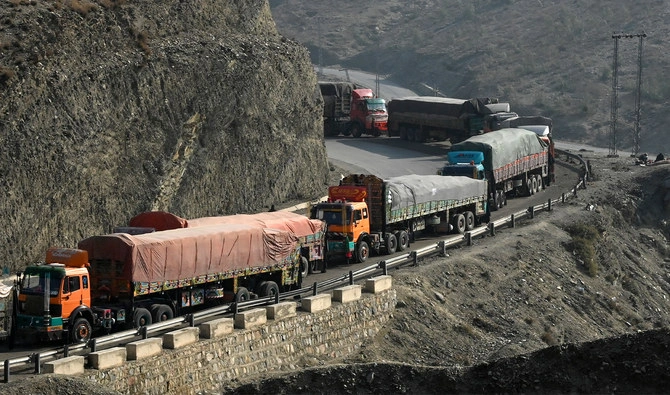
Afghanistan’s bid to pivot trade away from Pakistan after the October 2025 closures reveals the limits of sovereignty without geography. Islamabad’s leverage remains structural, grounded in security and logistics, not coercion.
Broken Promises: The Taliban’s Betrayal of Global Commitments
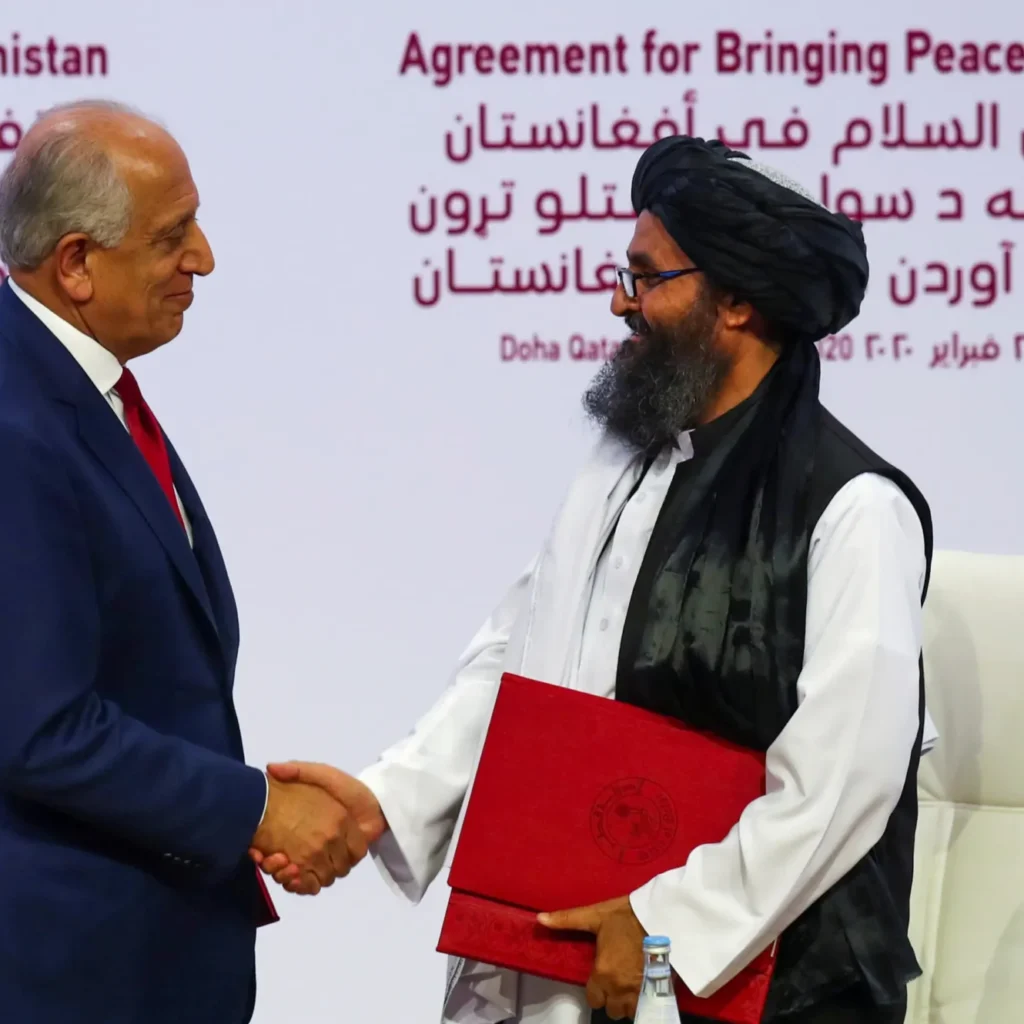
Nearly three years after seizing power, the Taliban’s systematic violation of their international commitments under the 2020 Doha Accord has transformed Afghanistan into a sanctuary for terrorism, entrenched an autocratic regime, and institutionalized gender apartheid. Beyond moral failure, this deceit poses a grave threat to regional stability, international counterterrorism efforts, and the credibility of global diplomacy. Holding the regime accountable is now a strategic necessity, not a choice.
The New Normal: End of Pakistan’s Strategic Restraint
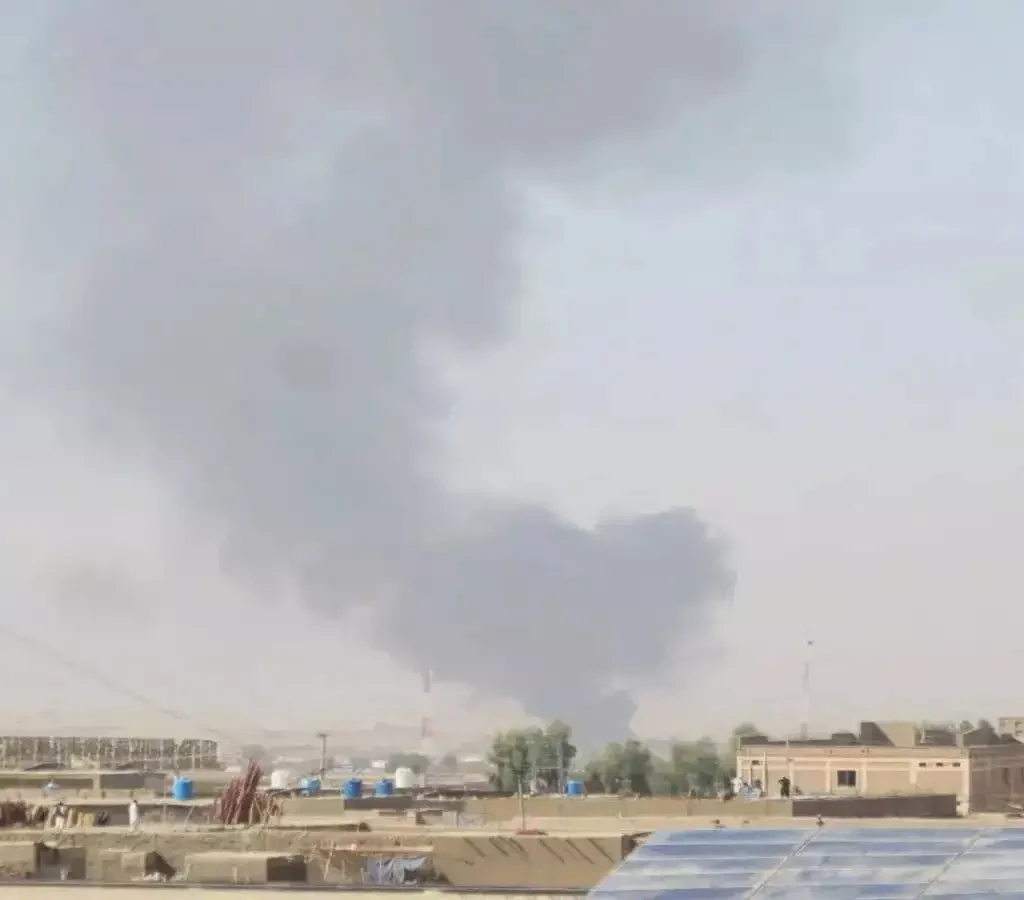
Any hope surrounding the Pakistan–Afghanistan dialogue in Doha is colliding with renewed violence and mutual distrust. Pakistan’s recent precision strikes in Paktika, following a shattered ceasefire and terrorist attacks, signal a shift toward active defense. The talks now hinge on whether Kabul can curb militant sanctuaries and move beyond its victim narrative.
The Long War: The Historical and Ideological Roots of the Pakistan–Taliban Showdown
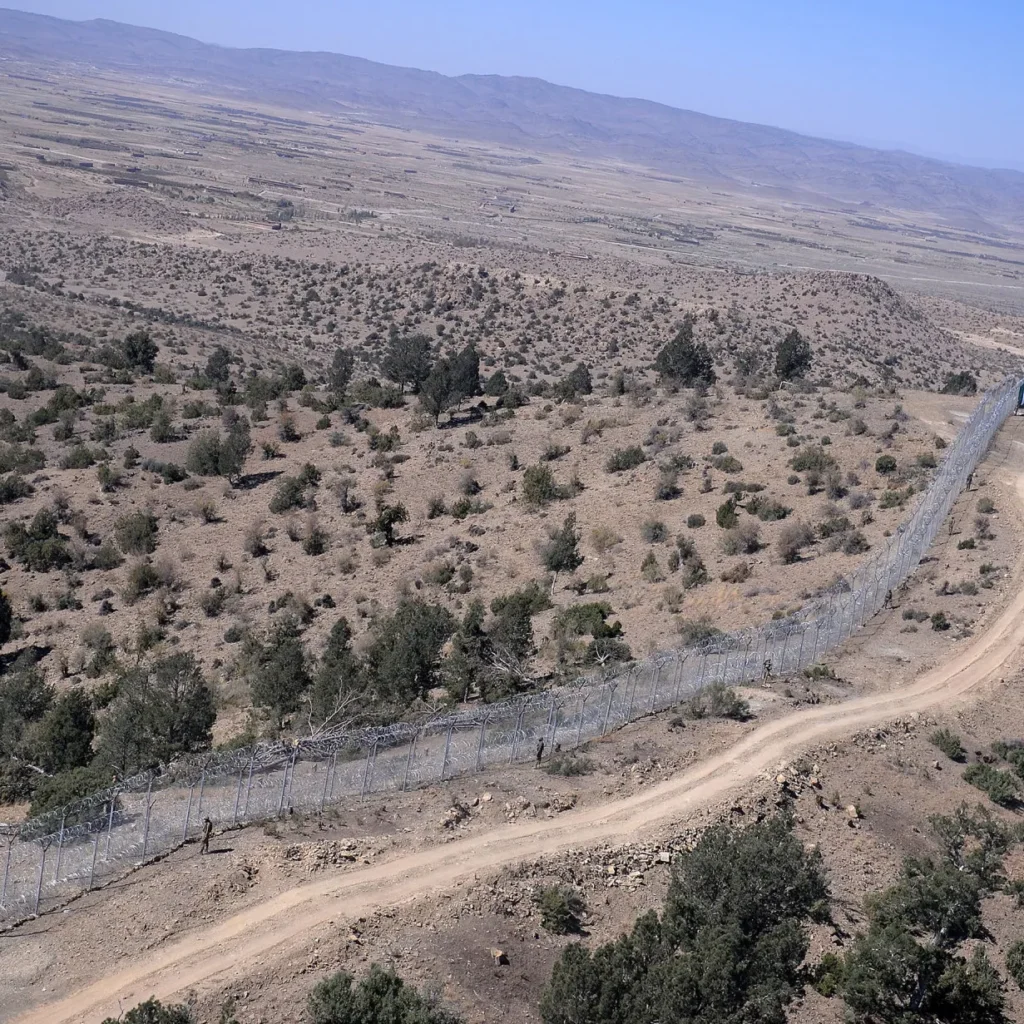
A tenuous ceasefire between Pakistan and Afghanistan’s Taliban regime has halted hostilities for now, but the calm conceals deeper fissures rooted in history, ideology, and regional rivalries. As cross-border tensions resurface, the decades-old dispute over the Border, the Taliban’s harboring of TTP militants, and India’s quiet re-entry into Kabul are reshaping South Asia’s most volatile frontier.
After Sheikh Hasina’s Exit, Can India Rebuild Its Strategic Ties with Bangladesh by Pushing Dhaka Towards the Quad?
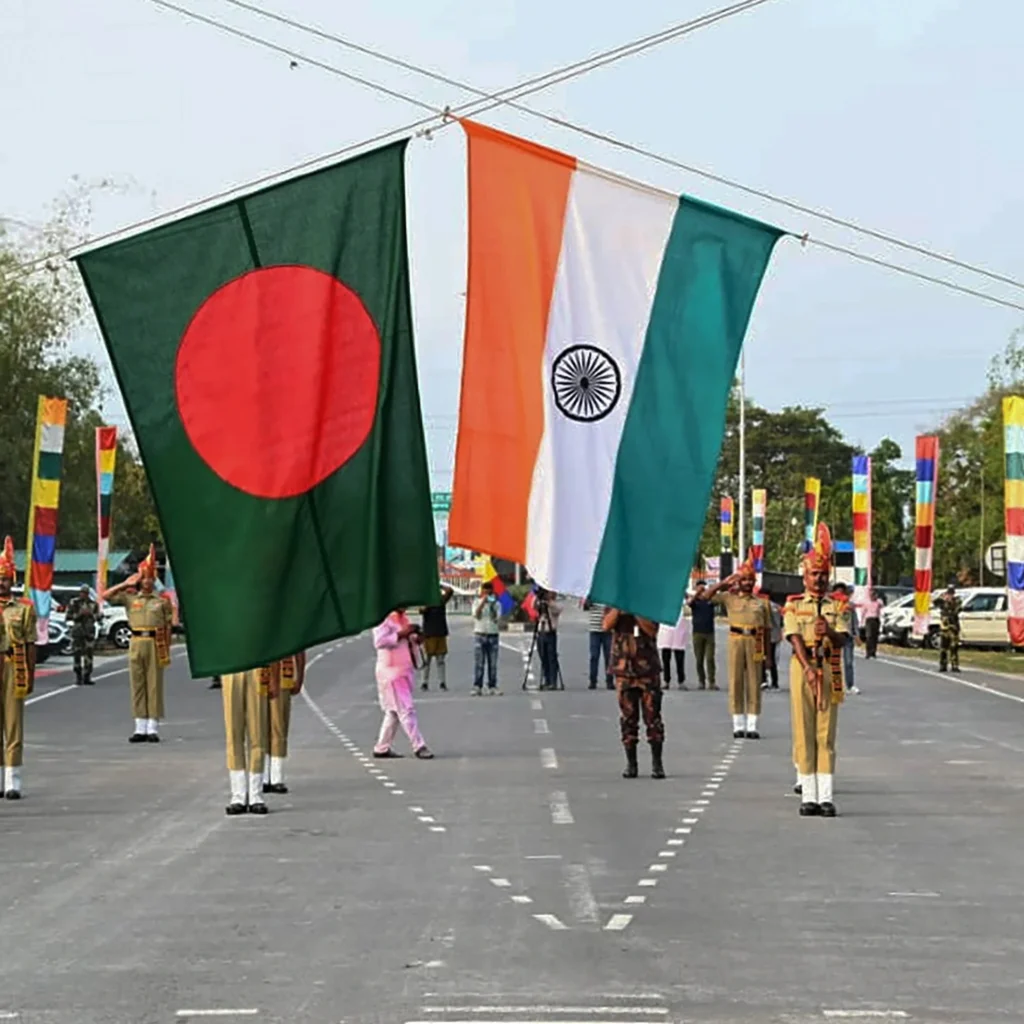
Sheikh Hasina’s resignation ended India’s golden era of ties with Bangladesh, leaving New Delhi scrambling to counter China’s growing influence. Can Quad engagement offer India a path to rebuild trust and secure the Bay of Bengal?
The Crescent Security Initiative: Envisioning a Pan-Islamic Security Architecture
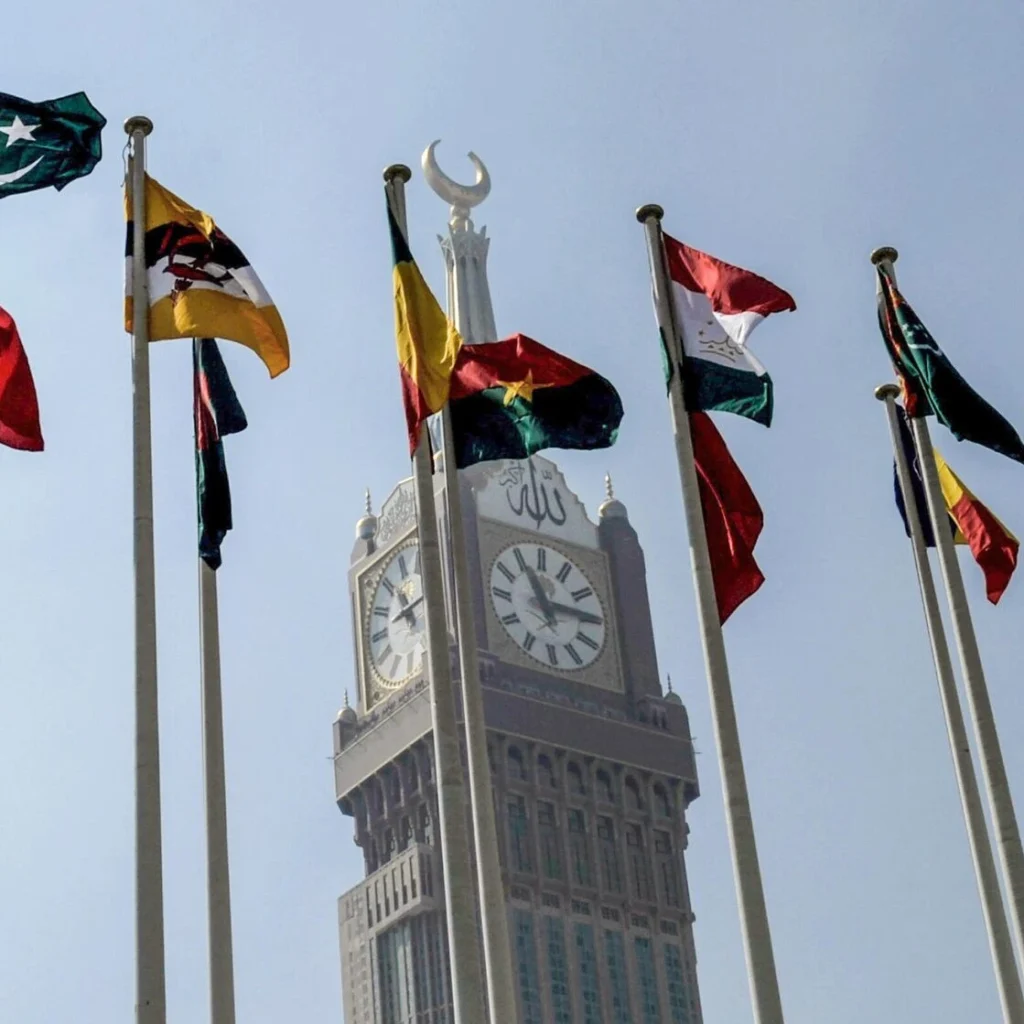
Israel’s unprecedented strike in Doha has reignited calls for a collective Muslim defence pact. Can the Crescent Security Initiative succeed where past efforts failed?
Pakistan’s Counter-Terrorism Dilemma: Balancing Civilian Protection and Security
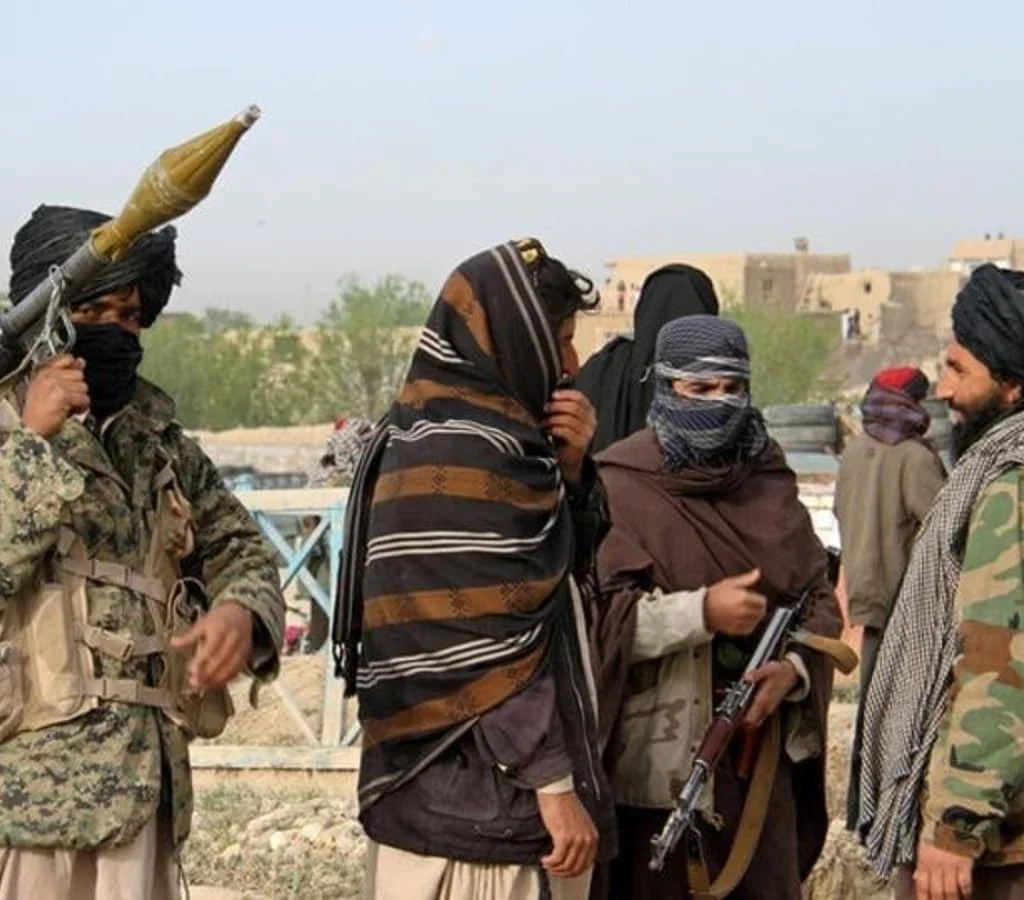
Unlike its peak years of 2007–2009, the TTP no longer commands territory but operates through small decentralized cells that blend into civilian populations. This shift poses an unprecedented challenge for Pakistan’s security forces, where every strike risks civilian casualties and fuels propaganda. The dilemma is not unique, echoing ISIS in Iraq and Boko Haram in Nigeria, but it demands a collective civil-military response to deny militants both sanctuary and narrative advantage.
From 1965 Battlefields to Hybrid Frontlines: Pakistan’s Enduring Test
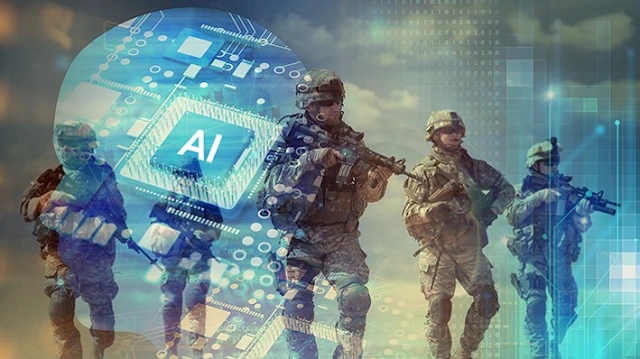
Explore how Pakistan’s 1965 war legacy connects to today’s hybrid warfare—disinformation, proxies, and economic pressure reshaping national defense.
Extremist Rhetoric and Constitutional Reality: The Case of Pakistan’s Islamic Identity
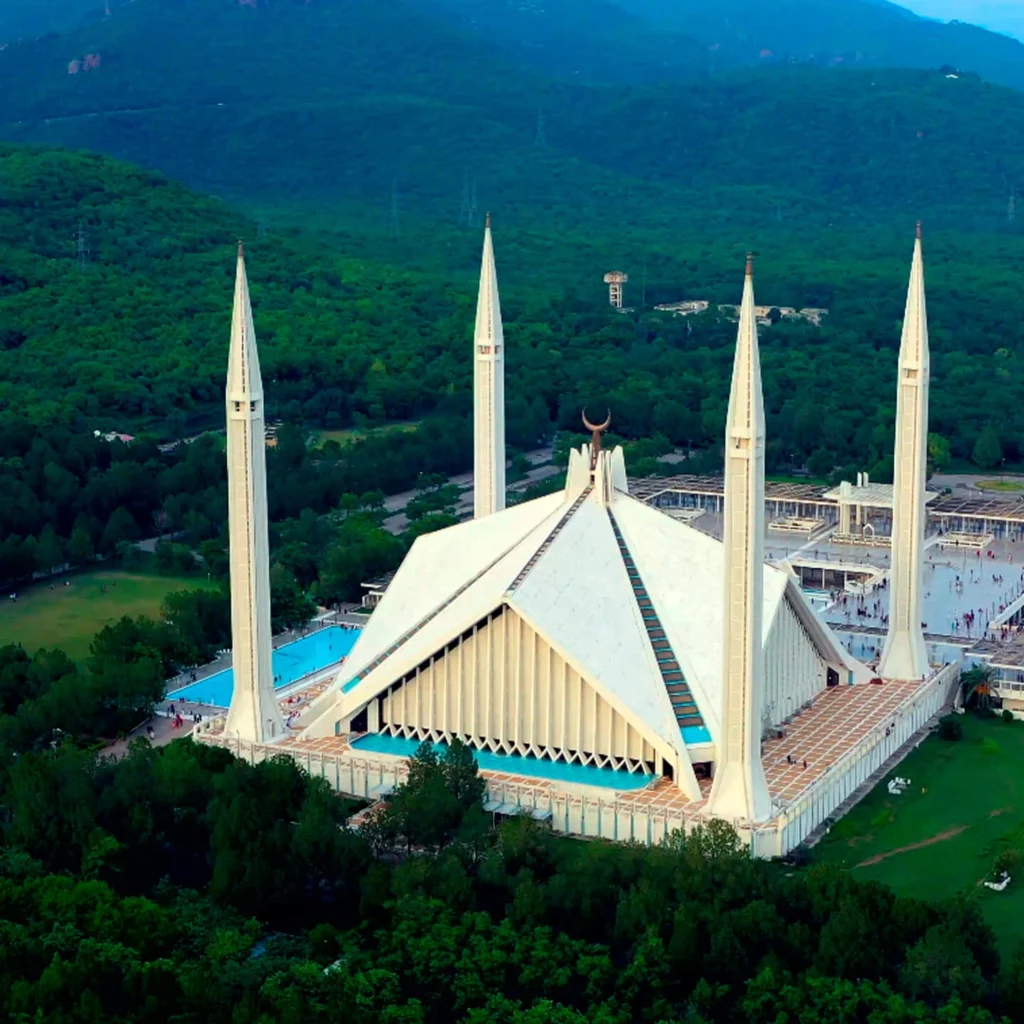
The glorification of militants as martyrs by Mufti Kifayatullah reveals a dangerous narrative that mirrors extremist propaganda. From constitutional consensus to historic fatwas by leading scholars, Pakistan’s religious and political mainstream has repeatedly rejected armed rebellion as un-Islamic. By platforming extremist sympathizers, certain nationalist movements risk legitimizing violence, undermining national sacrifices, and enabling the TTP’s attempt to co-opt Pashtun identity. The path forward lies in constitutionalism, peace, and dialogue—not violence.
Afghanistan’s Fragile State: Security, Economy, and Human Rights
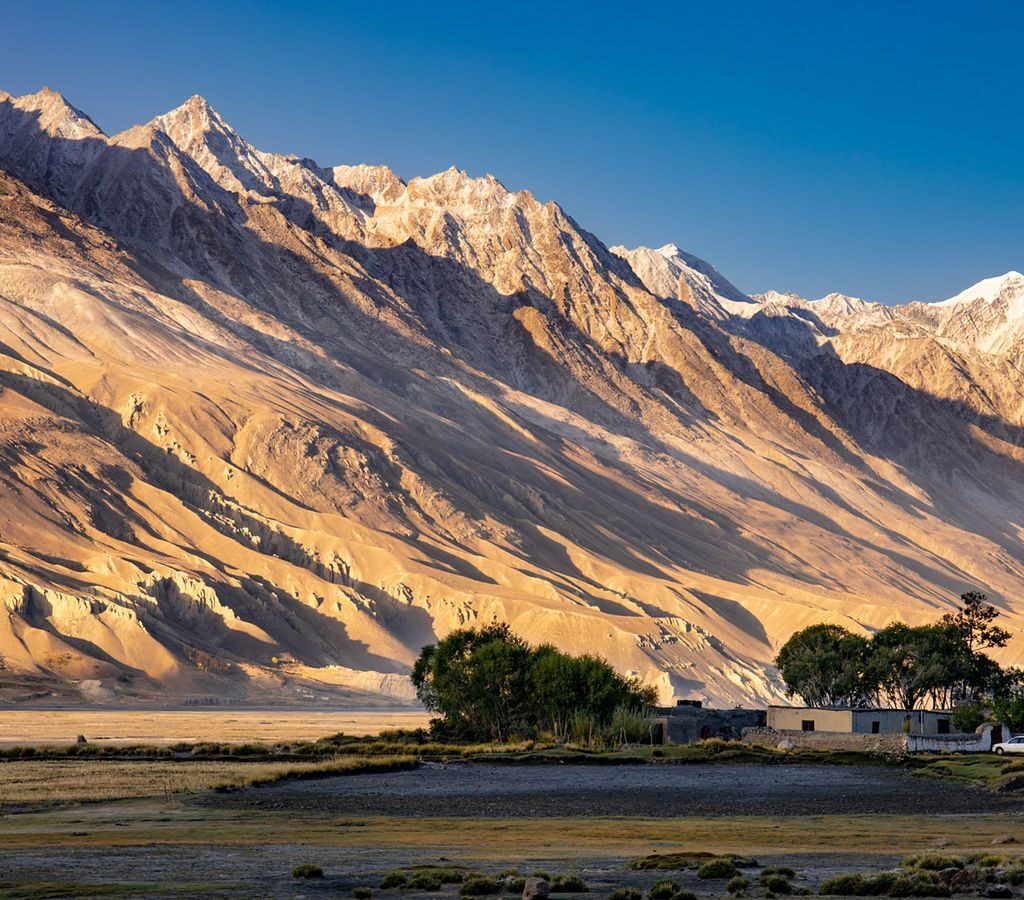
Since the Taliban’s return in 2021, Afghanistan has plunged into isolation, economic collapse, and humanitarian disaster. Security threats from ISKP, worsening poverty, healthcare breakdown, the rollback of women’s rights, and mass displacement have left millions facing unprecedented hardship.