
Civil–Military Relations in Transition: Continuity, Change, and Strategic Stability in Pakistan
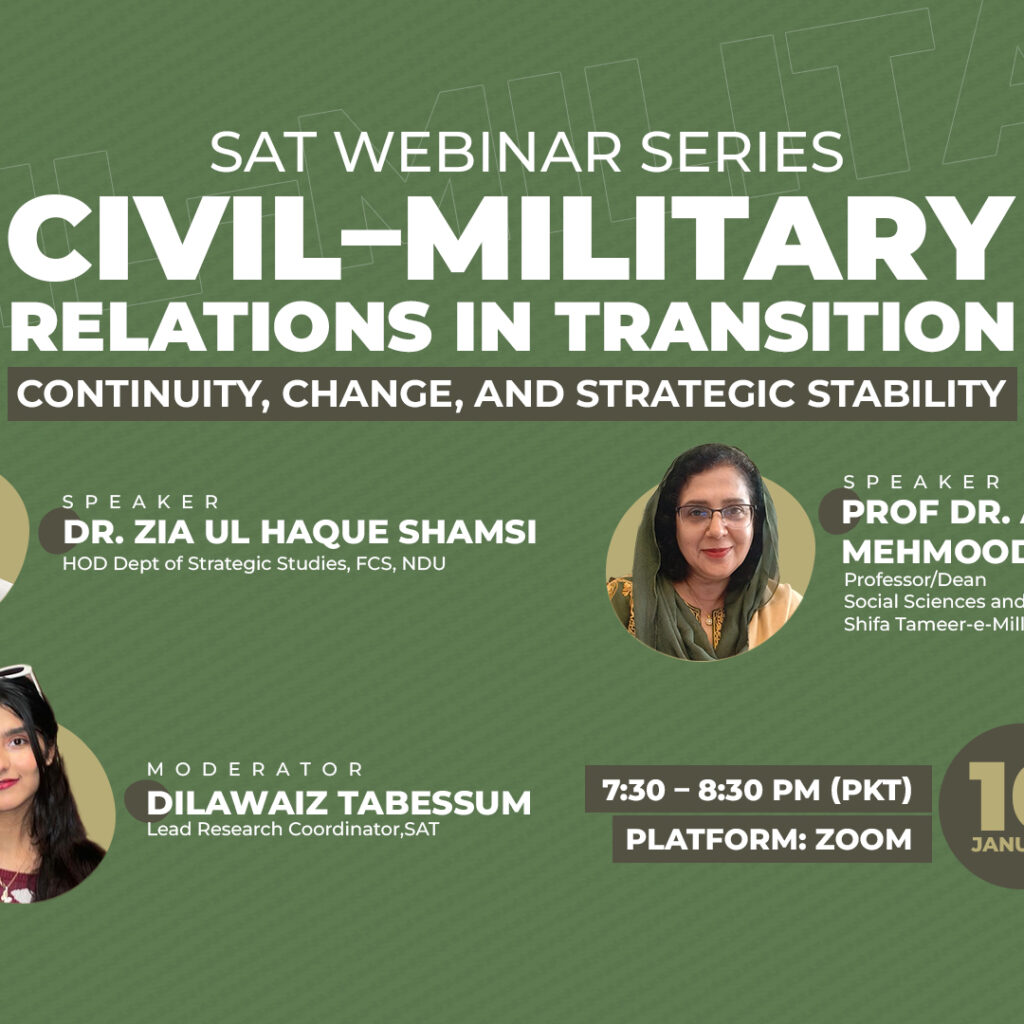
Civil–Military Relations in Transition: Continuity, Change, and Strategic Stability in Pakistan Janurary 10, 2026 Online SAT Web Administrator Share 10 Janurary 2025 Wednesday Roundtable Event South Asia Times Inqueries: info@southasiatimes.org Background and Context: Pakistan’s civil–military relations have long shaped the country’s political stability, democratic development, and national security decision-making. Emerging from early security threats, regional […]
A Fugitive Insurgency
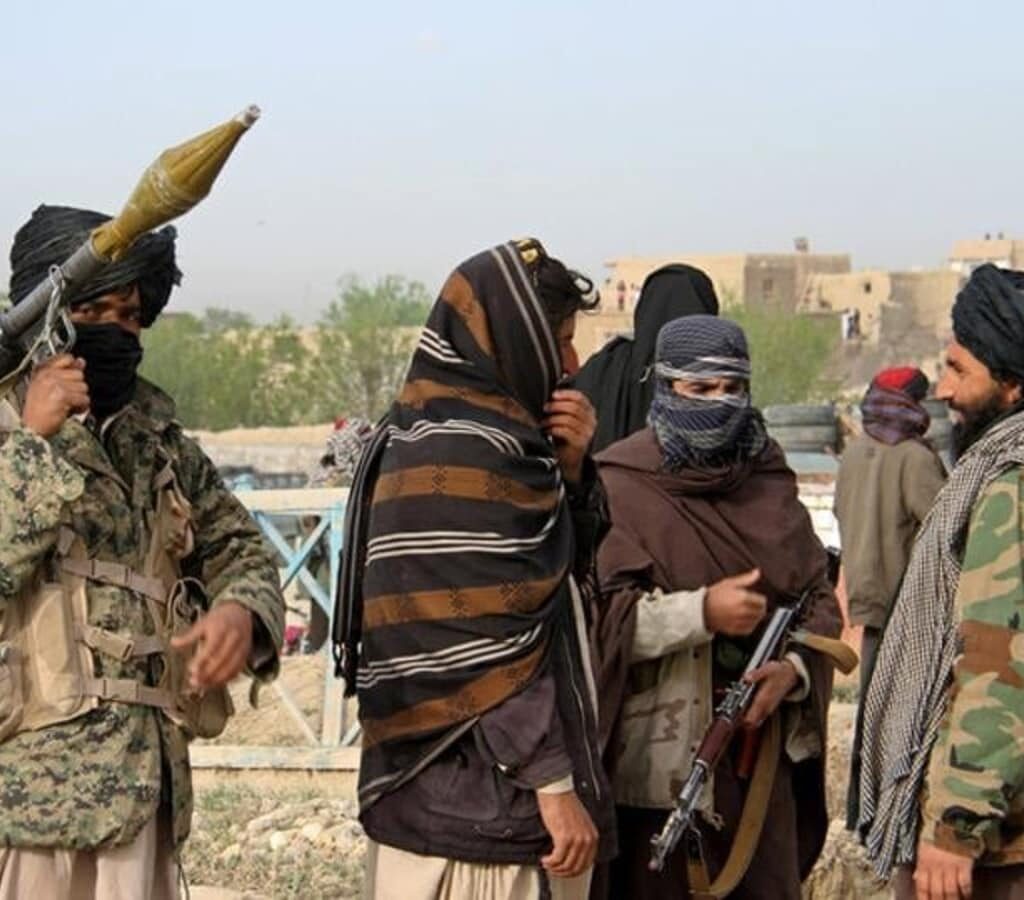
The TTP’s 2025 report projects an image of renewed strength and nationwide reach. In reality, it reflects a border-bound, fugitive insurgency using inflated statistics and psychological warfare to mask sustained pressure from Pakistan’s intelligence-led counter-terrorism campaign and the regional impact of instability in Afghanistan.
US-Pakistan Cooperation in Trade, Technology, and Minerals
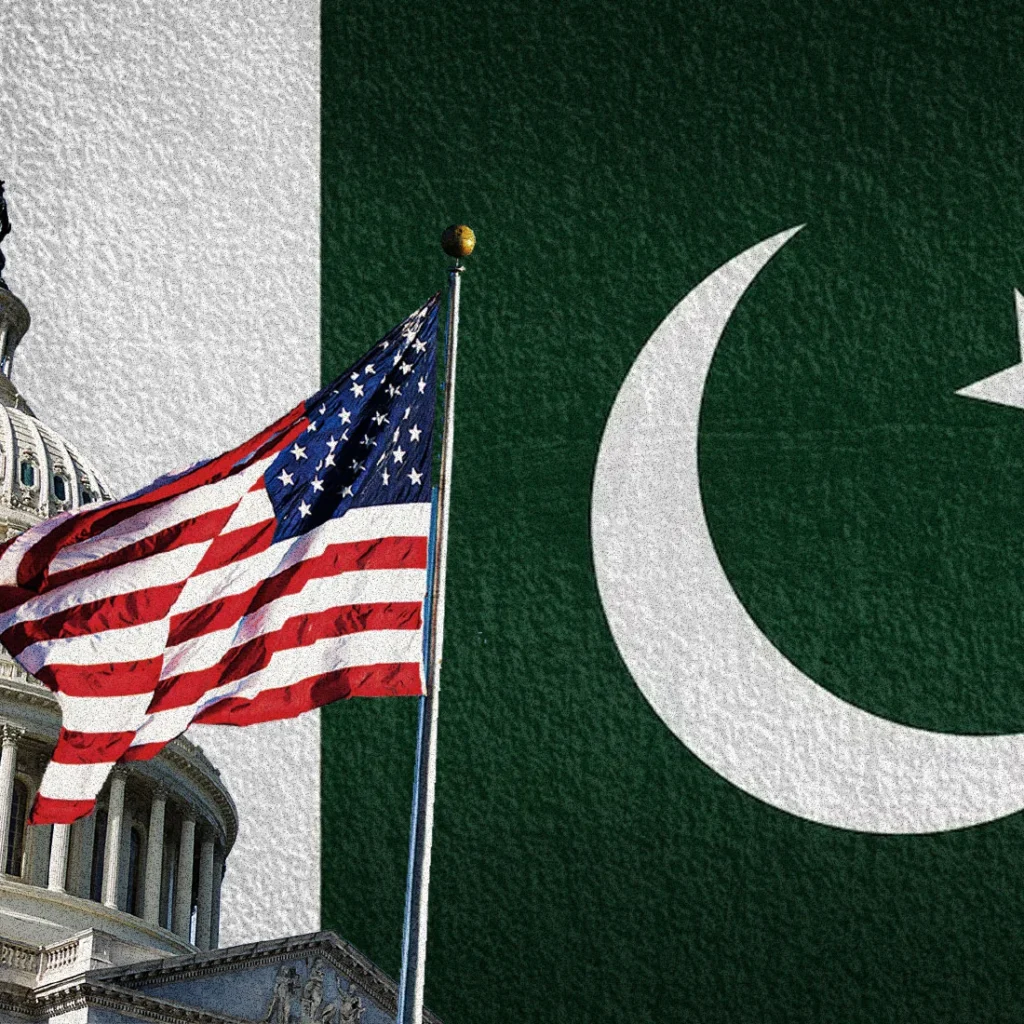
Natalie Baker signals a historic shift in the US-Pakistan ties, focusing on Reko Diq, agriculture, Fulbright programs, and a Green Alliance to strengthen trade, technology, and climate resilience.
Dancing on the Heads of Snakes
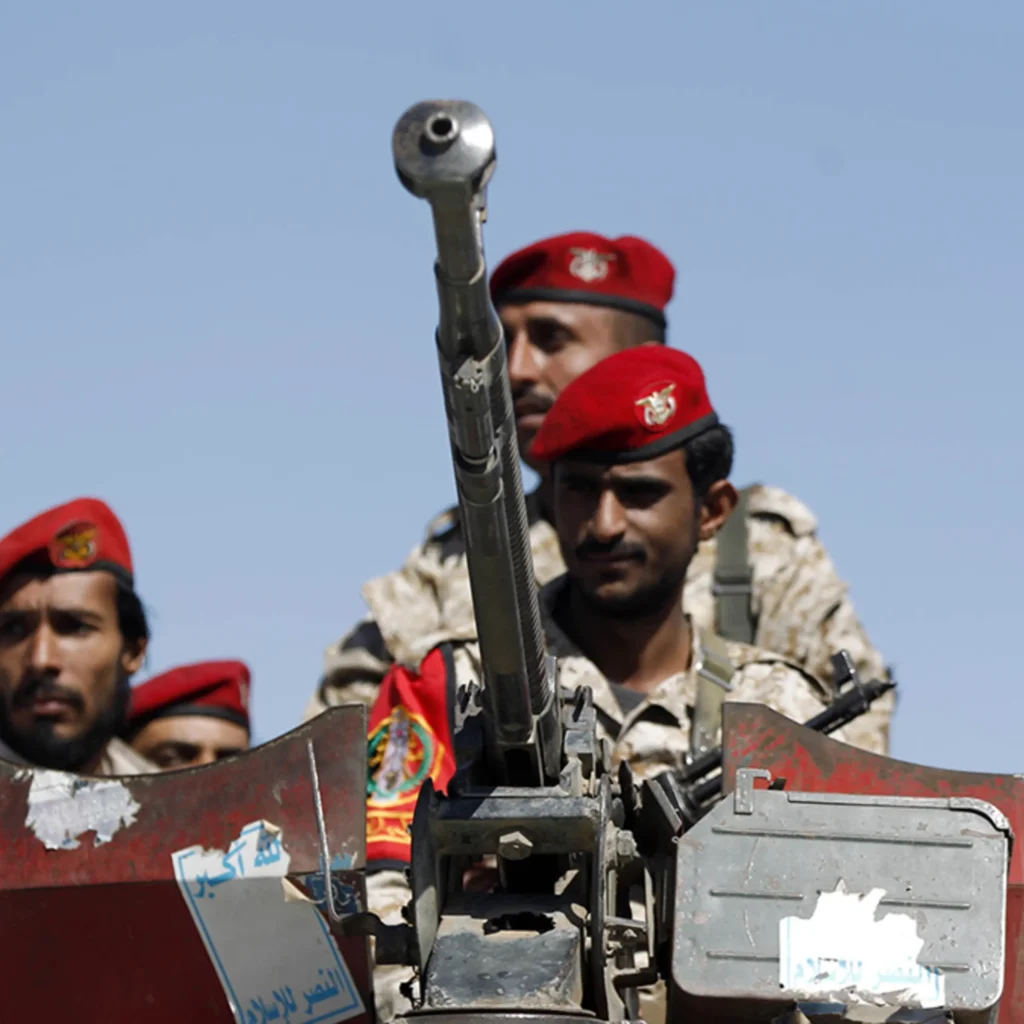
As 2025 ends, Yemen’s anti-Houthi coalition collapses. The Saudi-UAE split leaves rival militias and foreign powers vying for control, deepening the humanitarian crisis.
How Afghan Networks Sustain Terrorism in Pakistan
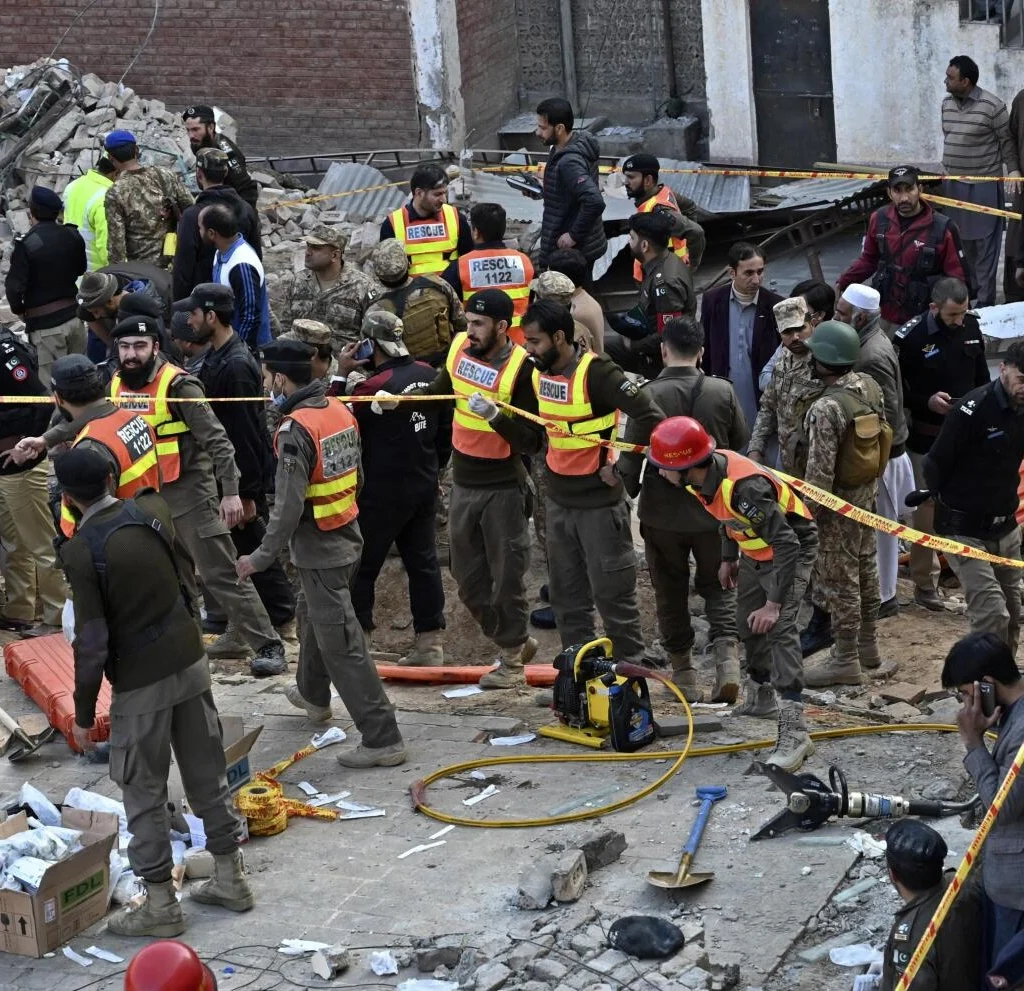
The December 2025 Boya suicide attack underscores the transnational nature of militancy confronting Pakistan. The identification of an Afghan national from Kabul as the attacker, and the public veneration he received there, reveals how recruitment pipelines, ideological legitimation, and porous borders continue to sustain insurgency in North Waziristan, placing growing strain on Pakistan–Taliban relations.
Media Narratives and National Security: How Public Opinion Is Shaped in Times of Crisis

During regional crises, including the Pahalgam incident and border clashes along the Pakistan-Afghanistan frontier, Pakistani media’s factual reporting counters Indian propaganda and Taliban disinformation. By emphasizing evidence, diplomacy, and restraint, it strengthens national security and shapes public perception in South Asia.
Afghanistan: The Question of Pakistan’s Complaints
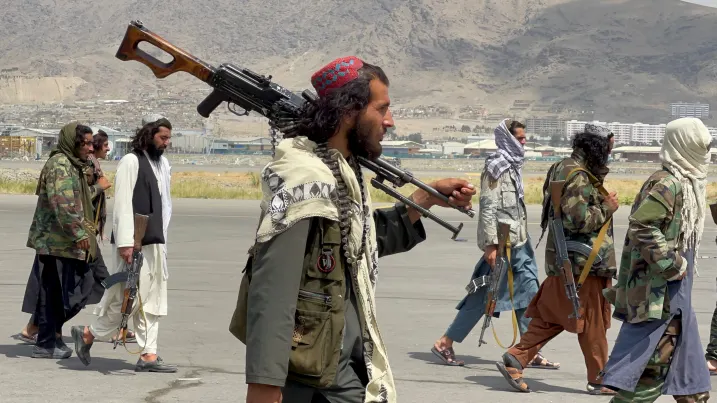
Taliban’s acting Foreign Minister Amir Khan Muttaqi asked why only Pakistan complains about terrorism in Afghanistan. The truth is clear; Pakistan bears the heaviest burden. Since 2021, the Taliban regime has turned Afghanistan into a hub of terror and oppression, leaving Pakistan to face staggering human, economic, and security costs while the world watches.
Narrative by Design: Al Jazeera’s Editorial Tilt on the Pakistan–TTP Conflict
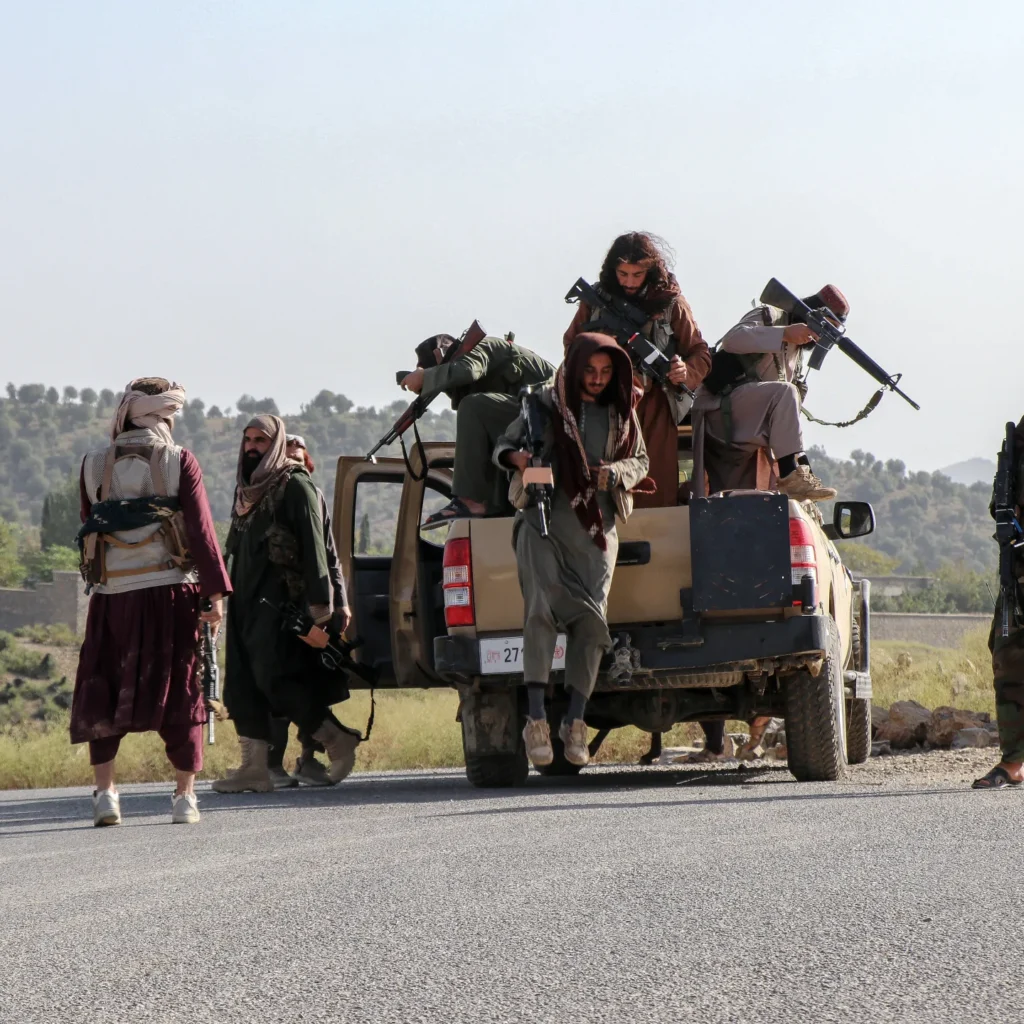
Al Jazeera’s reputation for alternative journalism contrasts sharply with its recent reporting on Pakistan’s conflict with the TTP and tensions with the Afghan Taliban. A close review shows consistent editorial choices that soften the Taliban’s image, reframe terrorist violence as resistance, and cast Pakistan’s counter-terrorism actions as aggression—ultimately reshaping the narrative in Kabul’s favour.
Modern Platforms, Evolving Doctrine
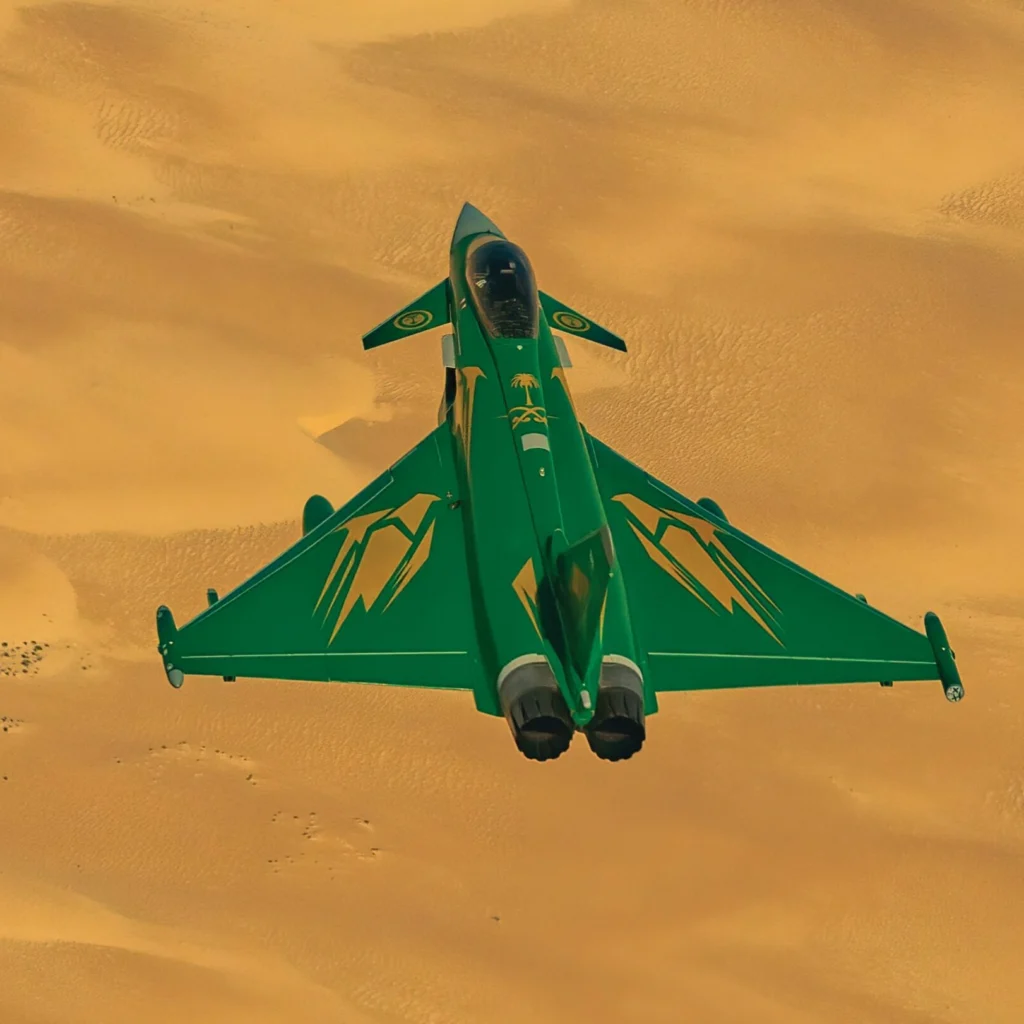
The Gulf’s air-power evolution is increasingly shaped by the fusion of advanced platforms with modern doctrine and faster decision cycles. As regional forces adapt to complex threat environments, partners like Pakistan, whose operational experience spans multiple domains, are becoming part of the broader conversation on future air-power thinking.
The War on Knowledge: History, Ideology, and Strategic Goals of TTP Attacks on Educational Institutions
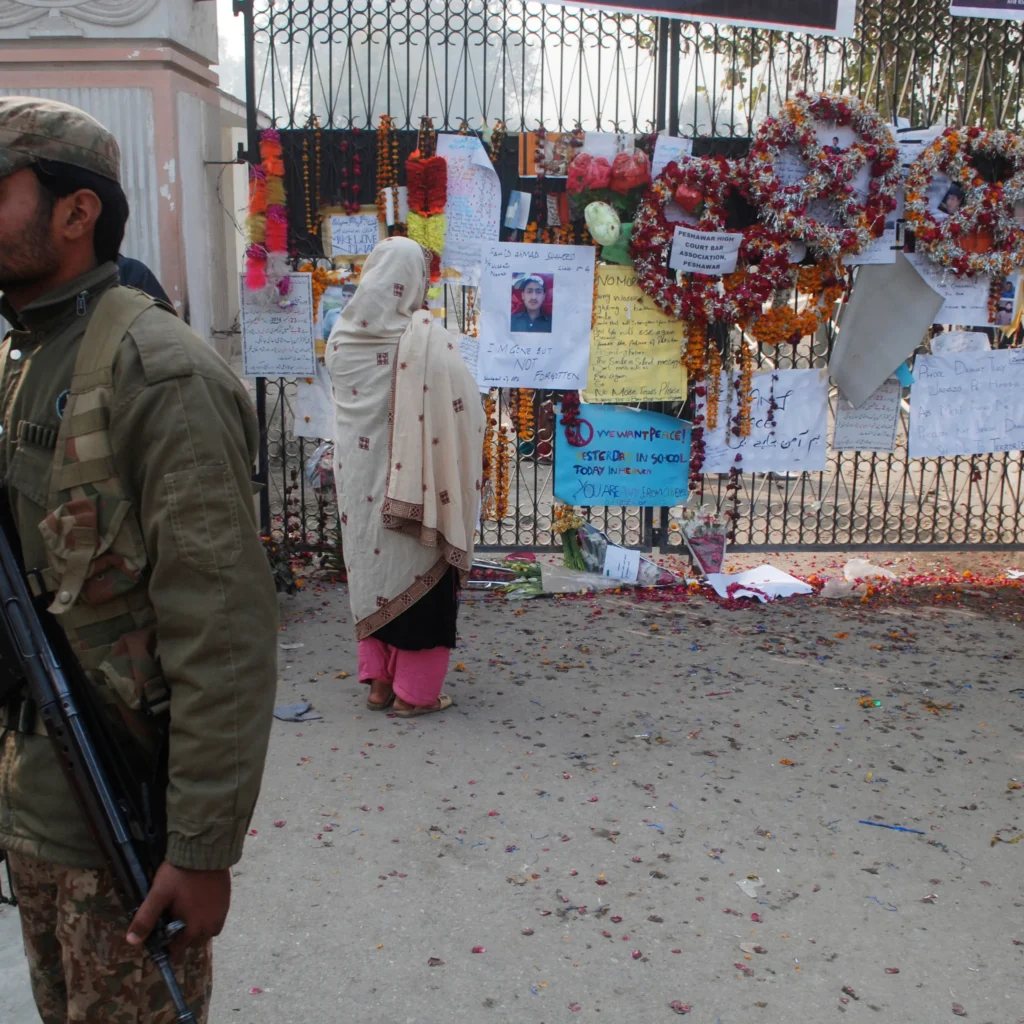
The TTP’s war on education is a deliberate campaign to reshape society by destroying schools, suppressing knowledge, and undermining state authority. Rooted in ideology, coercion, and strategy, these attacks target Pakistan’s future by dismantling its most vital institutions of learning.