Pakistan Foreign Office Dismisses US Travel Ban as ‘Speculative’

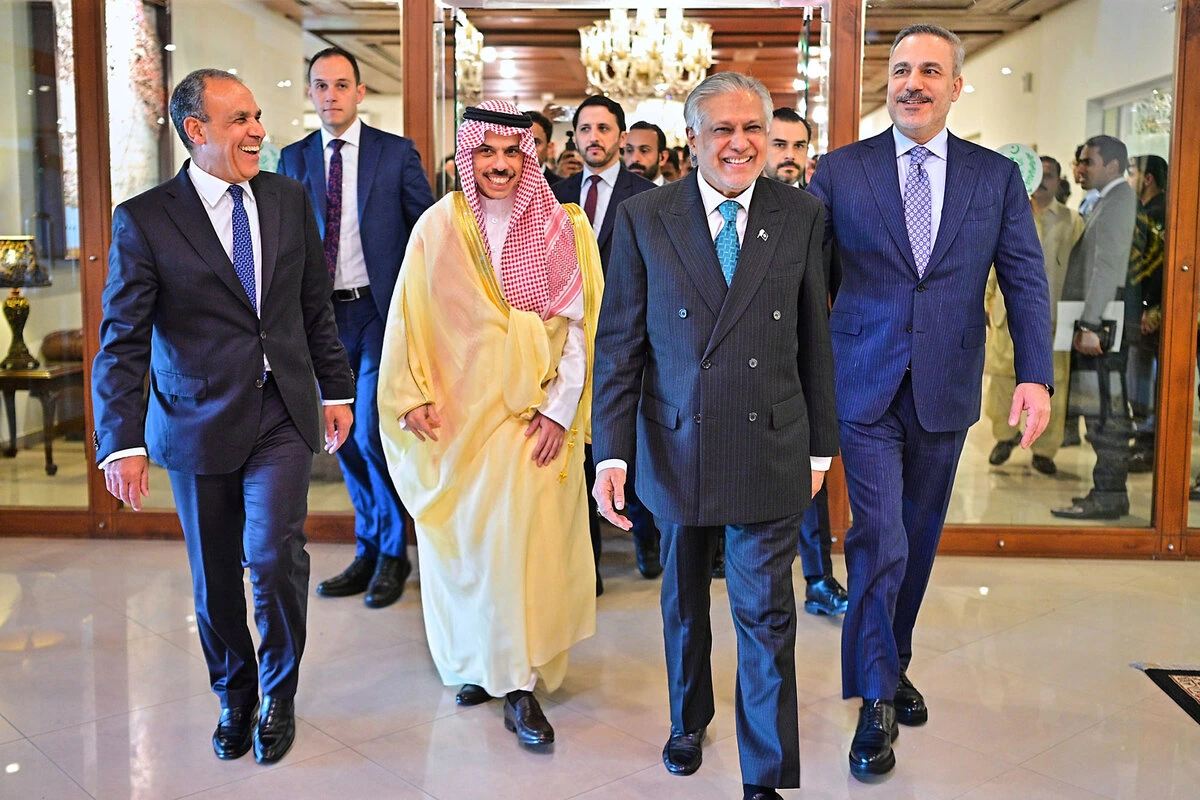
Foreign Office dismisses reports of a possible US travel ban on Pakistan, calling them speculative with no official notice. [Image via The Express Tribune]

Foreign Office on Thursday dismissed reports of a potential US travel ban on Pakistani nationals as “speculative,” saying Islamabad had received no official indication of such measures.

Foreign Office Spokesperson Shafqat Ali Khan addressed the issue during a weekly media briefing after a Reuters report last week suggested that the US, under President Donald Trump, could impose new travel restrictions on Pakistan and Afghanistan following a government review of security and vetting risks.

“As of now, this is all speculative and hence does not warrant a response,” Khan said. “So far, we have not been given any indication of such a ban on the Pakistan nation.”

Also See: No UAE Official Ban on Visa Issuance to Pakistanis, NA Told

The statement came amid reports that Pakistani Ambassador to Turkmenistan KK Ahsan Wagan was denied entry into the US this week. The Foreign Office clarified that Wagan was traveling for personal reasons and was not eligible for diplomatic immunity. Officials were investigating the incident.

Shafqat Ali Khan added that Pakistan’s foreign ministry and its mission in Washington were in regular contact with US authorities to gather further details.

On January 20, President Trump issued an executive order mandating stricter security vetting for foreigners seeking entry into the US.

The order required US cabinet officials to submit a list by March 12 of countries deemed to have inadequate screening measures, which could lead to partial or full travel suspensions.

The Reuters report also noted that the potential restrictions could impact tens of thousands of Afghans who had been approved for resettlement in the US, including those on Special Immigrant Visas who face risks of Taliban retribution due to their work for the US during the two-decade-long war in Afghanistan.

This news is sourced from The Express Tribune and is intended for informational purposes only.

News Desk

Your trusted source for insightful journalism. Stay informed with our compelling coverage of global affairs, business, technology, and more.

Recent

The End of Liberal Internationalism

The End of Liberal Internationalism

The 2025 U.S. National Security Strategy marks a decisive break from the post-1945 liberal order, replacing globalism and multilateralism with a neo-Westphalian focus on sovereign nation-states, fortified borders, and exclusionary spheres of influence. It signals America’s retreat from global leadership and the return of great-power rivalry.

Read More »
A critical analysis of Drop Site News’ report alleging a UK–Pakistan “swap deal,” exposing its reliance on anonymous sources, partisan framing, and legally impossible claims.

Anonymous Sources, Big Claims, Thin Ground

A recent Drop Site News report claims a covert UK–Pakistan exchange of convicted sex offenders for political dissidents. But a closer look shows the story rests on hearsay, anonymous insiders, and a narrative shaped more by partisan loyalties than evidence. From misrepresenting legally declared propagandists as persecuted critics to ignoring the legal impossibility of such a swap, this report illustrates how modern journalism can slip into activism. When sensational claims outrun facts and legality, credibility collapses, and so does the line between holding power accountable and manufacturing a story.

Read More »
A sharp critique of Zabihullah Mujahid’s recent evasive remarks on the TTP, exposing Taliban hypocrisy and Afghan complicity in cross-border militancy.

Zabihullah Mujahid’s Bizarre Statement on TTP: A Lesson in Hypocrisy and Evasion

Zabihullah Mujahid’s recent statement dismissing the TTP as Pakistan’s “internal issue” and claiming Pashto lacks the word “terrorist” is a glaring act of evasion. By downplaying a UN-listed militant group hosted on Afghan soil, the Taliban spokesperson attempts to deflect responsibility, despite overwhelming evidence of TTP sanctuaries, leadership, and operations in Afghanistan. His remarks reveal not linguistic nuance, but calculated hypocrisy and political convenience.

Read More »
Beyond the Rhetoric: What Muttaqi’s Address Reveals About Afghan Policy

Beyond the Rhetoric: What Muttaqi’s Address Reveals About Afghan Policy

Interim Foreign Minister Amir Khan Muttaqi’s recent address sought to reframe Afghanistan’s strained ties with Pakistan through a narrative of victimhood and denial. From dismissing cross-border militancy to overstating economic resilience, his claims contradict on-ground realities and historical patterns. A closer examination reveals strategic deflection rather than accountability, with serious implications for regional peace and security.

Read More »
We Want Deliverance

We Want Deliverance

Political mobilization in South Asia is not rooted in policy or institutions but in a profound yearning for deliverance. From Modi’s civilizational aura in India to Imran Khan’s revolutionary moral narrative in Pakistan, voters seek not managers of the state but messianic figures who promise total transformation. This “Messiah Complex” fuels a cycle of charismatic rise, institutional erosion, and eventual democratic breakdown, a pattern embedded in the region’s political psychology and historical imagination.

Read More »