South Asia

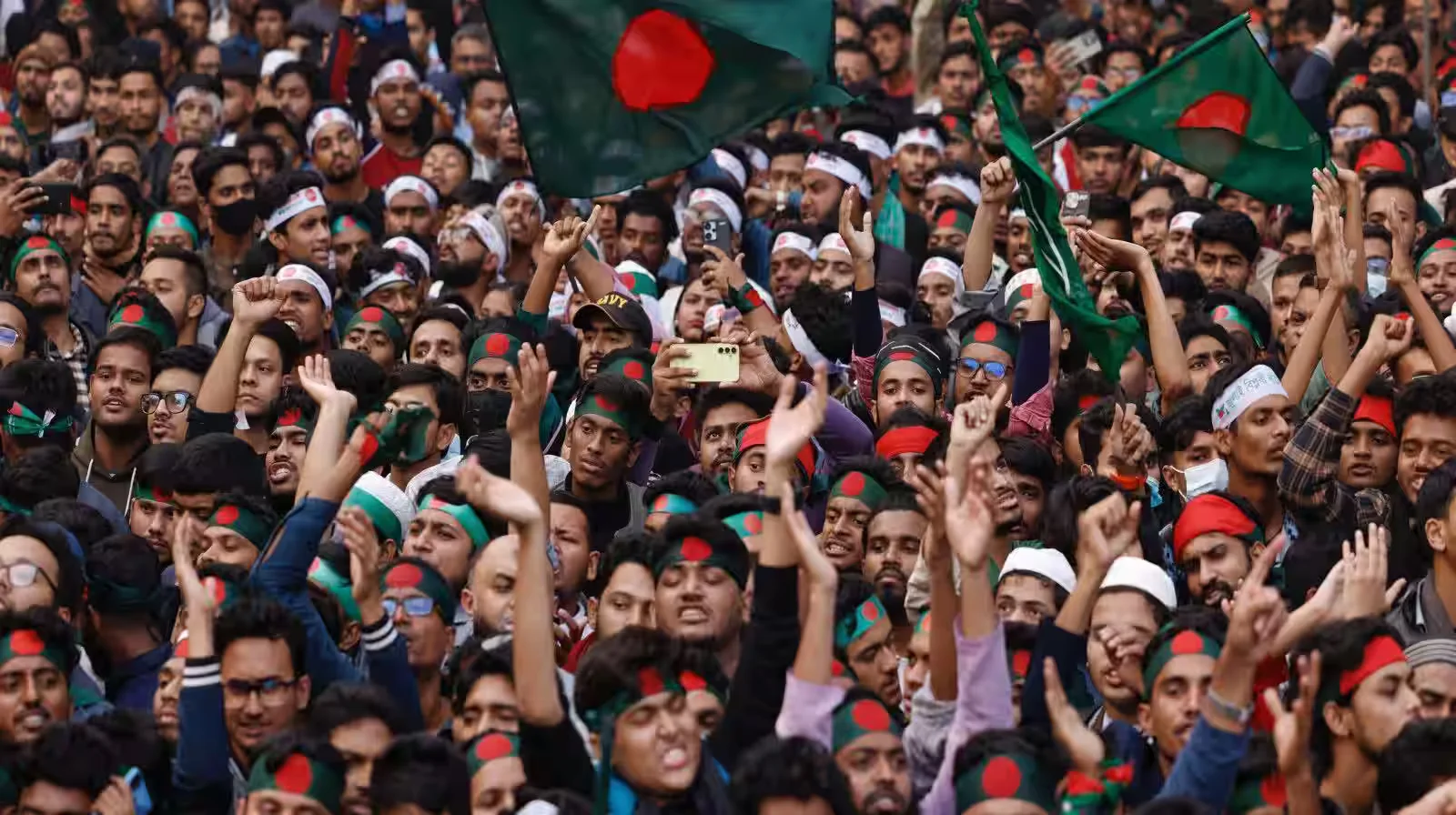
The death of Sharif Osman Hadi marks the collapse of the 1971 Consensus, reshaping Bangladesh’s identity and triggering a strategic crisis for India.

The End of the 1971 Consensus

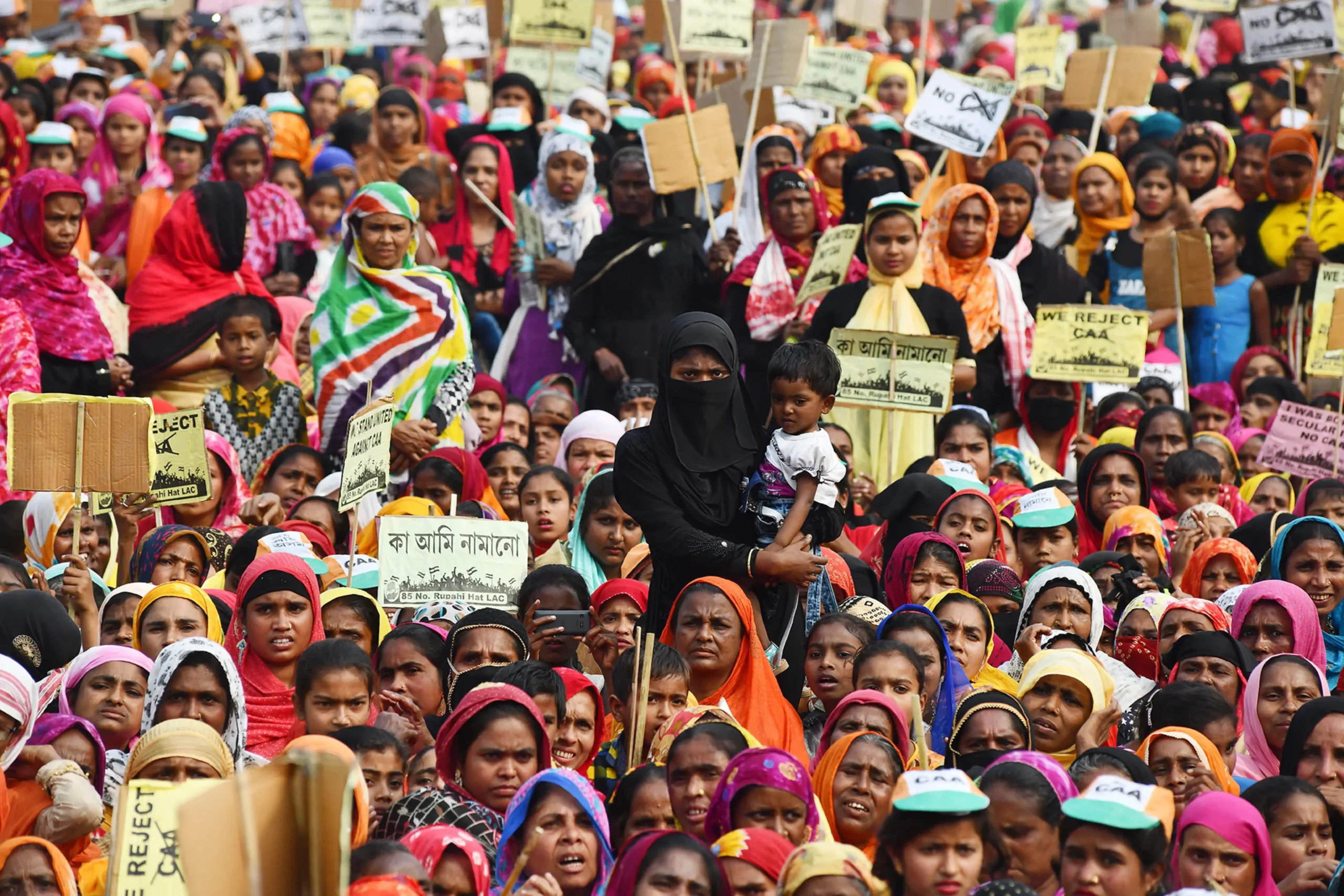
Sharif Osman Hadi’s death has become the symbolic burial of the 1971 Consensus that long structured India–Bangladesh relations. For a generation with no lived memory of the Liberation War, Hadi embodies a Second Independence, reframing 1971 as the start of Indian dominance rather than true sovereignty. His killing has accelerated Bangladesh’s rupture with India and exposed a deep strategic crisis across South Asia.

Read More »
Afghanistan’s Taliban uses pharmaceutical policy to assert autonomy, decouple from Pakistan, and expand strategic ties with India.

Afghan Taliban’s Biopolitics

The Taliban’s health diplomacy is reshaping Afghanistan’s geopolitical landscape. By phasing out Pakistani pharmaceuticals and inviting Indian partnerships, Kabul securitizes its healthcare infrastructure as a tool of strategic realignment. The shift highlights the intersection of sovereignty, economic statecraft, and regional influence, with Afghan patients bearing the immediate consequences.

Read More »
How APS Redefined Pakistan’s Strategic Culture

How APS Redefined Pakistan’s Strategic Culture

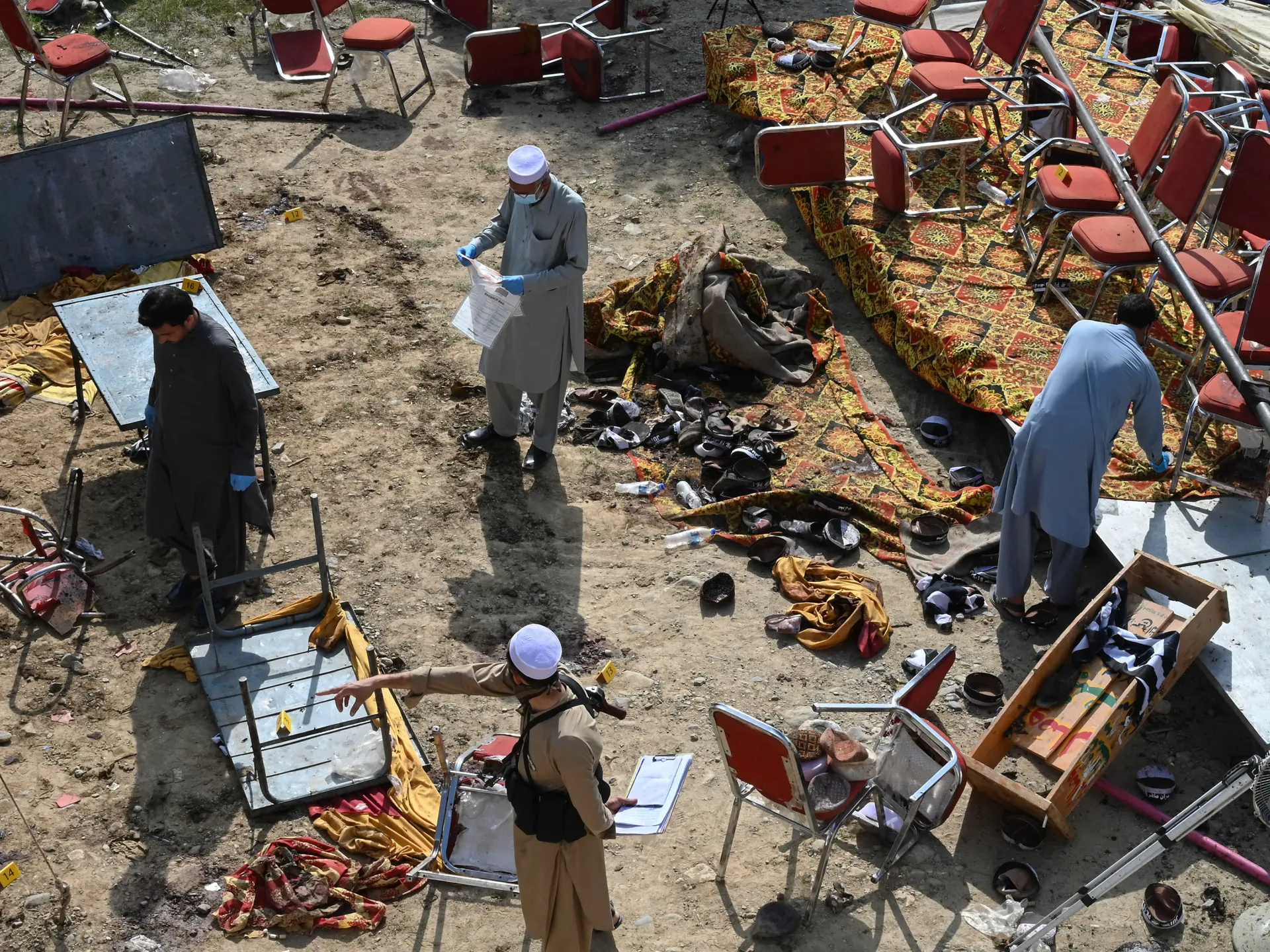
APS was the moment Pakistan’s long-standing ambiguity on militancy collapsed. The murder of schoolchildren forced an organic securitization of terrorism, enabling extraordinary measures and a redefinition of the militant as an existential, illegitimate enemy.

Read More »
Before and After Panjshir: How Anti-Taliban Forces Are Adapting to a Long Insurgency

Before and After Panjshir: How Anti-Taliban Forces Are Adapting to a Long Insurgency

December 2025 marked a turning point in Afghanistan’s post-2021 resistance. Coordinated, intelligence-driven attacks across Kunduz and Badakhshan signaled that anti-Taliban forces have moved beyond symbolic defiance into a sustained campaign of urban-centric insurgency. Deprived of territory, external patrons, and conventional warfare options, groups like the NRF and AFF are adapting through mobility, information warfare, and selective strikes, pointing toward a long war defined by endurance rather than frontlines.

Read More »
The New Bollywood

The New Bollywood

Bollywood, once India’s most effective soft-power tool, is undergoing a dramatic ideological overhaul. Films like Dhurandhar and The Taj Story reflect a new cinematic nationalism rooted in historical revisionism, internal othering, and aggressive anti-Pakistan narratives, reshaping both India’s identity and its global cultural reach.

Read More »
Afghanistan’s Trade Boycott: Strategic Miscalculation With Fiscal Consequences

Afghanistan’s Trade Boycott: Strategic Miscalculation With Fiscal Consequences

Afghanistan’s 2025 trade boycott of Pakistan exposes a strategic miscalculation. Despite efforts to shift toward Iran and Central Asia, Kabul remains structurally dependent on Pakistan’s mature trade corridors, customs revenue, labour mobility, and logistical efficiency. Alternative routes carry higher costs, sanctions risks, and operational delays, leaving the Taliban with mounting fiscal losses and regional constraints.

Read More »
The Taliban’s new fatwa banning foreign militancy signals a shift in doctrine, but rising regional attacks and ideological fractures raise questions about its enforceability.

Doctrine vs Reality: Can the Taliban Enforce Their Ban on Foreign Militants?

The Taliban’s new fatwa banning foreign militants has been hailed by officials in Kabul as a decisive theological shift. But rising attacks in the north, continued TTP operations, and mounting pressure from Washington expose a widening gap between doctrine and reality. As regional powers demand proof of enforcement, the decree risks becoming another symbolic gesture unless it translates into measurable action on the ground.

Read More »