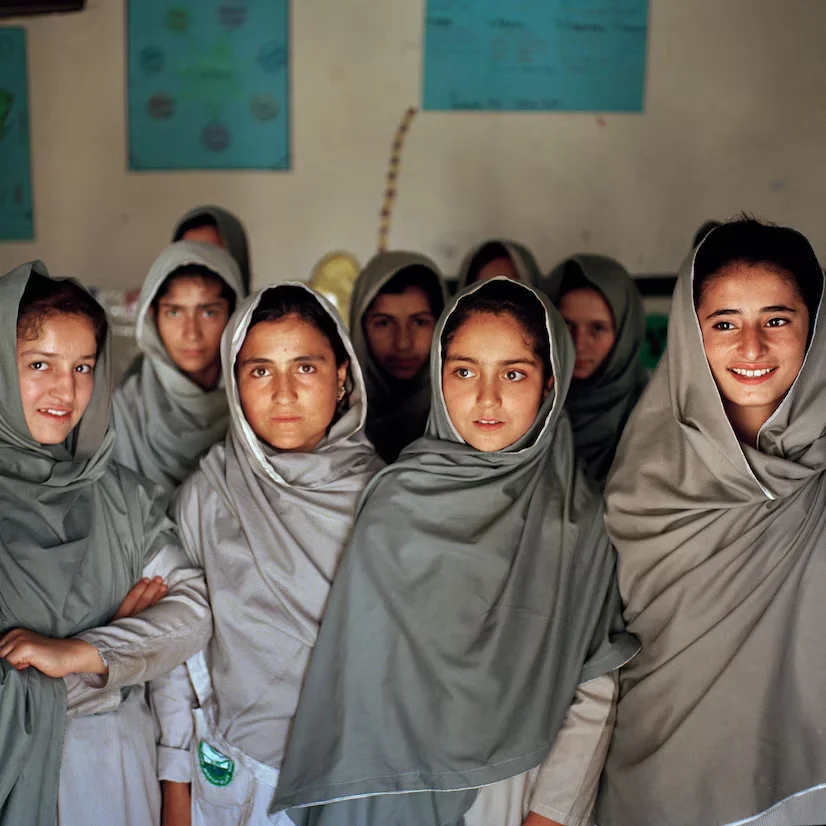
The Empowerment Dividend
Women’s empowerment in Pakistan is a catalyst for progress, fueling economic growth, innovation, and stronger governance. Empowered women are shaping the nation’s future and driving measurable development gains.

Women’s empowerment in Pakistan is a catalyst for progress, fueling economic growth, innovation, and stronger governance. Empowered women are shaping the nation’s future and driving measurable development gains.
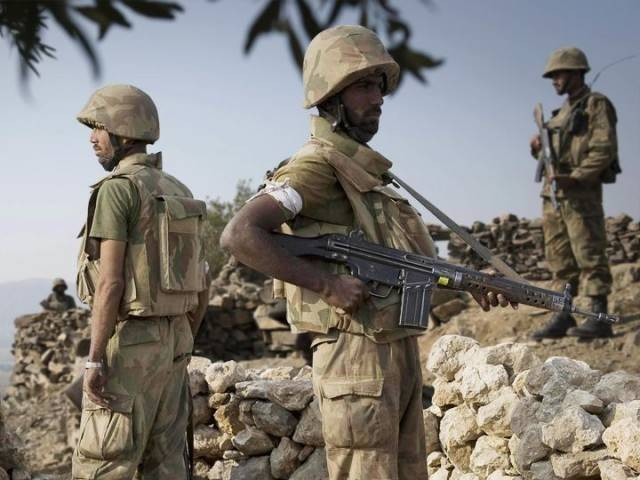
Tirah Valley, long exploited by Kharij networks and their facilitators, has been subjected to sustained intelligence-based operations (IBOs) rather than any conventional military offensive. Grounded in intelligence, community engagement, and the Bagh Joint Action Plan (BJAP), Pakistan’s approach prioritizes civilian protection, targeted neutralization of terrorists, and the restoration of long-term stability, countering persistent propaganda with verifiable facts.
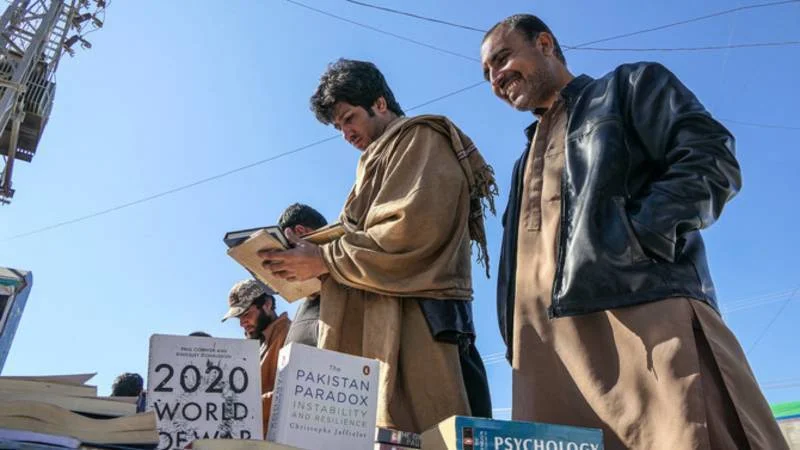
Balochistan is leveraging youth empowerment, education, and infrastructure development as instruments of socio-economic transformation. By combining domestic capacity-building with overseas employment opportunities, the province seeks to address unemployment, prevent extremism, and create pathways toward sustainable growth and stability.
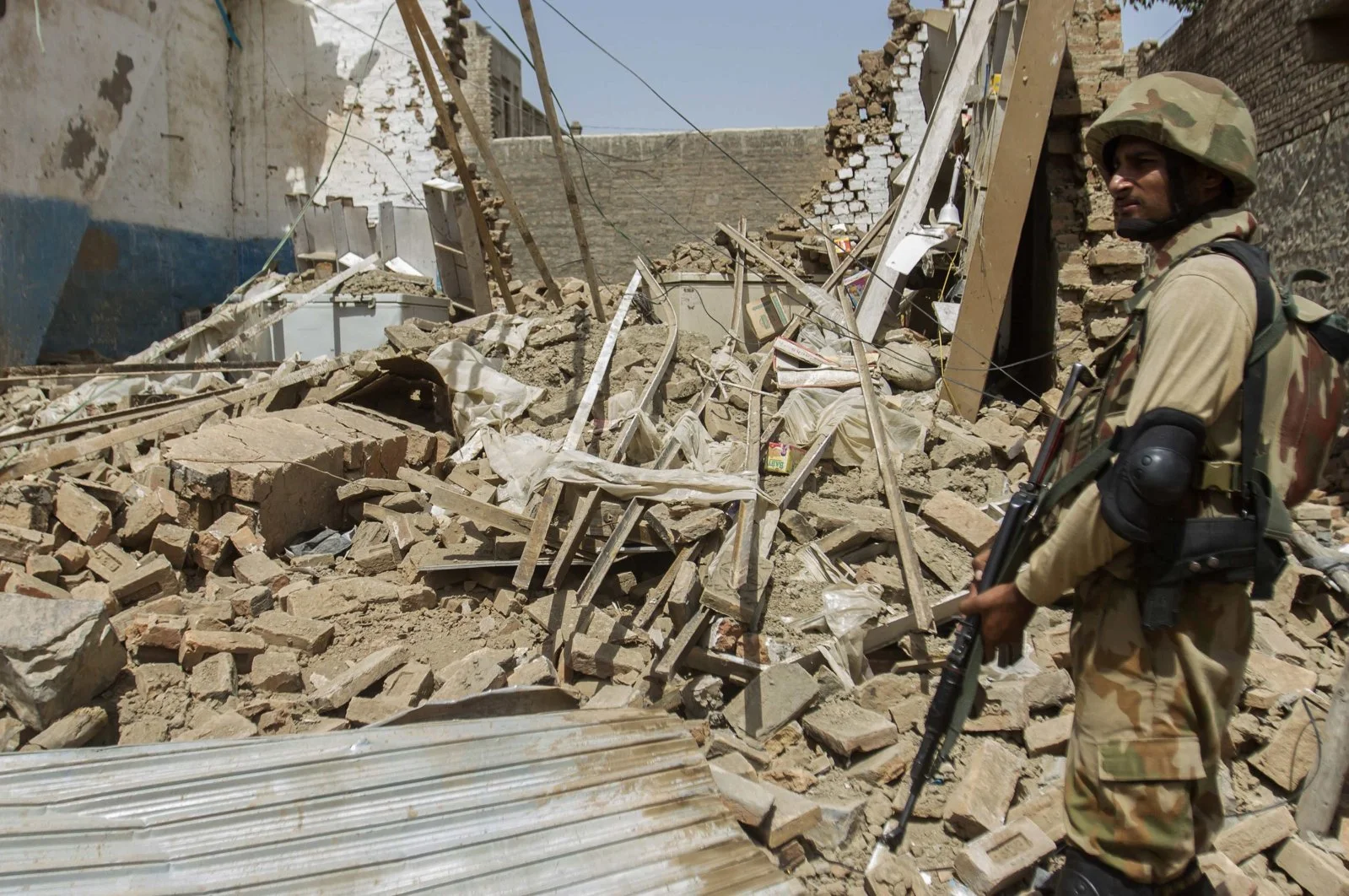
The escalation of BLA-linked attacks reveals a systematic shift toward civilian coercion, identity-based violence, and mass-casualty tactics, reflecting an insurgent movement increasingly detached from political legitimacy and reliant on terror as a tool of relevance.
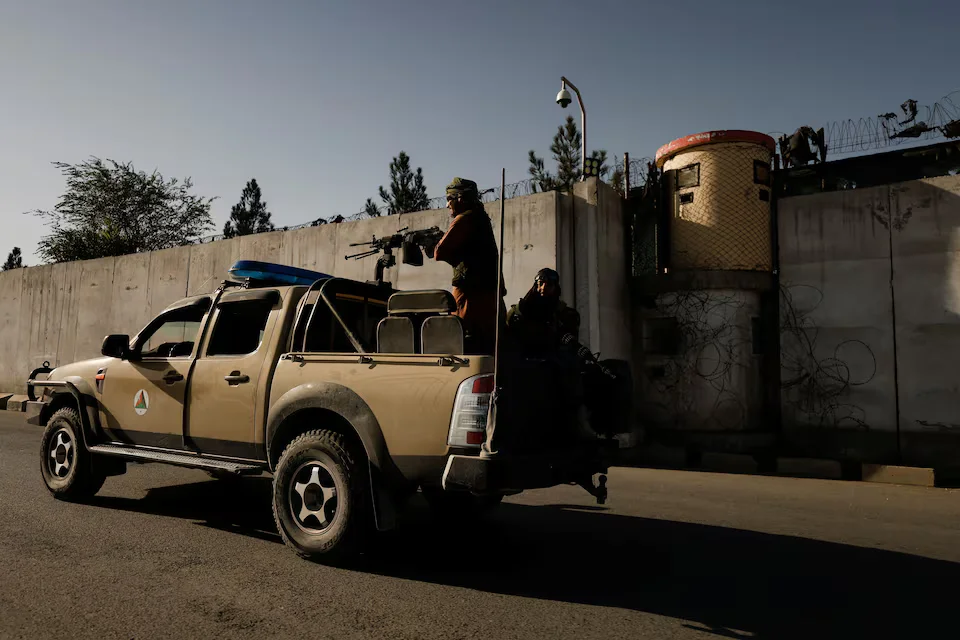
The Taliban’s criminal procedure code institutionalizes gender and ethnic discrimination, suppresses dissent, and replaces accountability with status-based authority, marking a profound regression from Afghanistan’s legal and social norms.
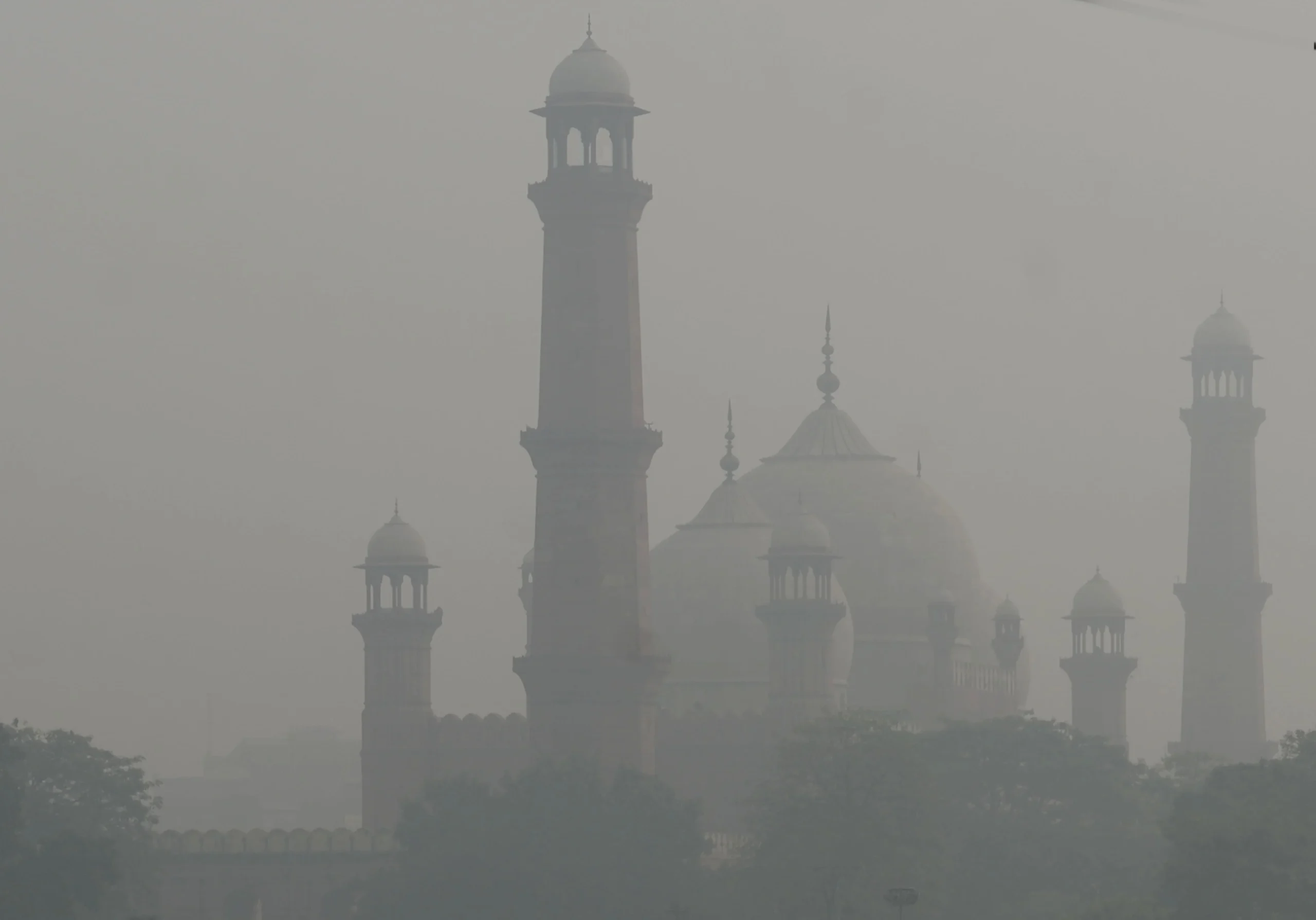
Pakistan’s urbanization is not a development story but a warning. Hyper-concentration in three metros is hollowing out the economy, ecology, and state capacity.
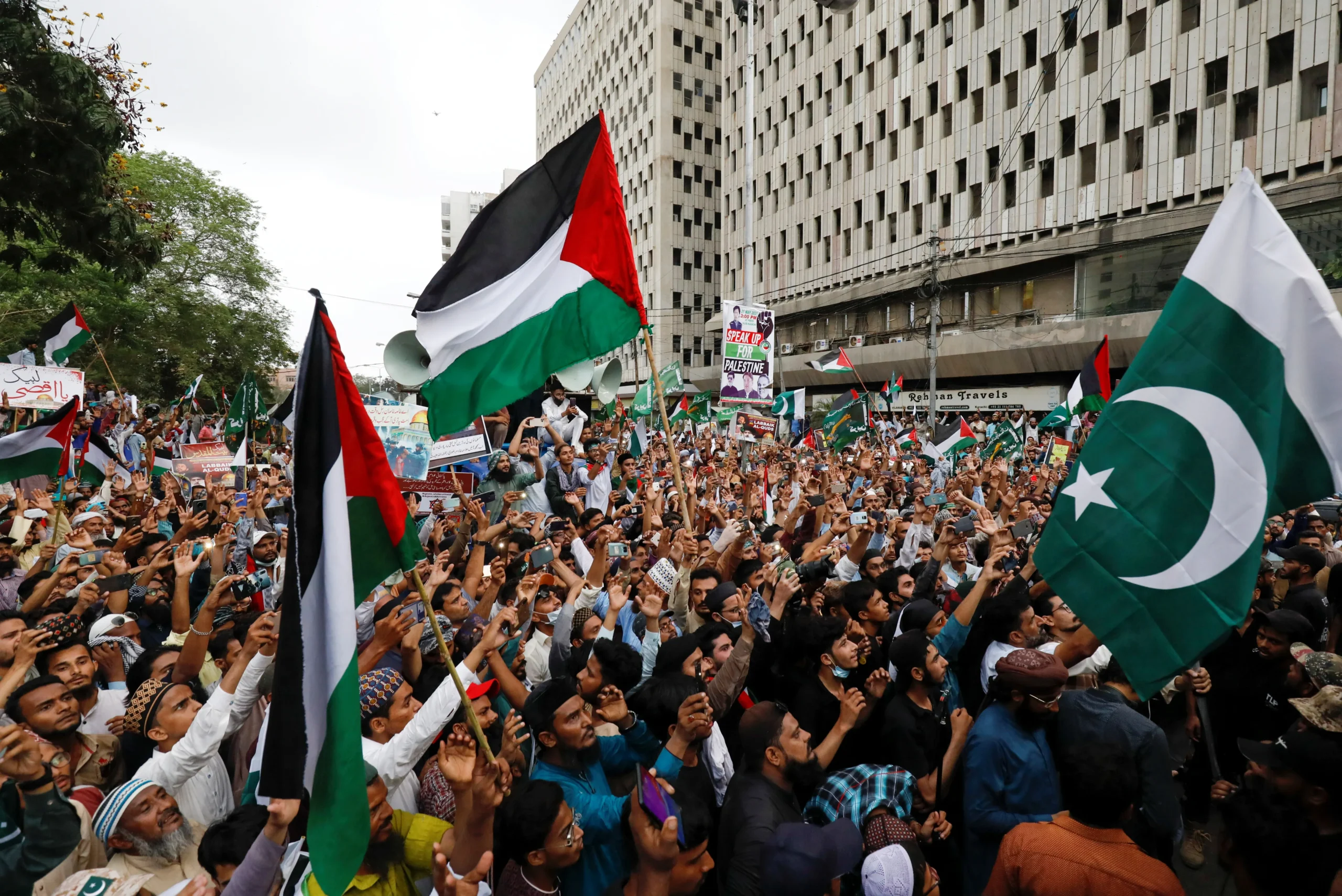
As Gaza endures a prolonged humanitarian catastrophe, Pakistan’s decision to engage with the Board of Peace reflects a calculated shift from symbolic diplomacy to realist-humanitarianism. Rather than retreating into moral posturing, Islamabad has chosen presence as leverage, seeking to shape aid delivery, protect Palestinian priorities, and influence outcomes from within imperfect multilateral structures.

The EU–India FTA risks being unequal, as India cuts tariffs while Europe retains key advantages. It may deepen dependence instead of strengthening India’s industrial growth.
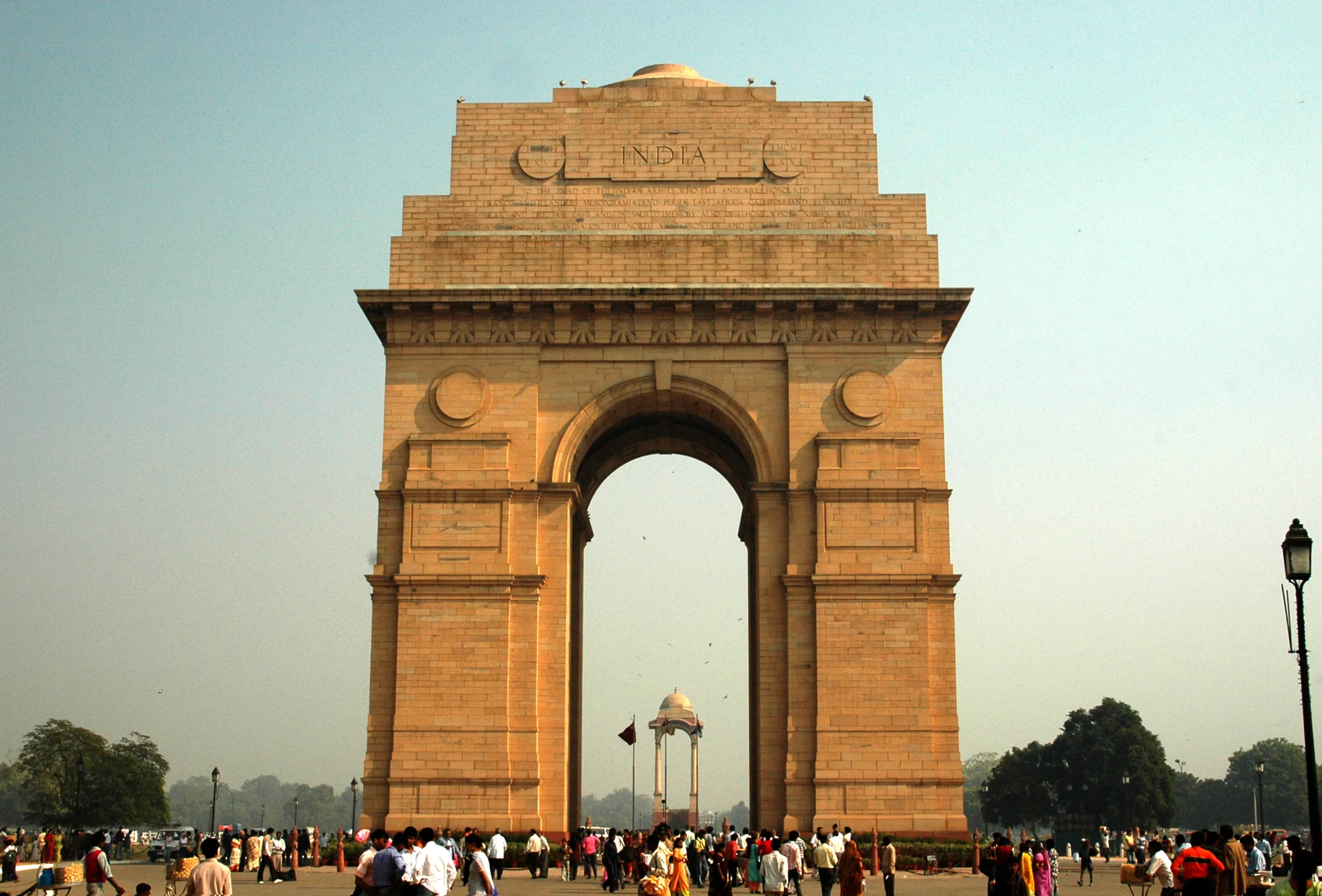
Once imagined as a neutral steel frame, India’s bureaucracy is undergoing a profound mutation. As faith becomes an instrument of alignment and fear a tool of discipline, the administrative state is drifting from constitutional neutrality toward ideological enforcement, with lasting consequences for democracy, governance, and state capacity.
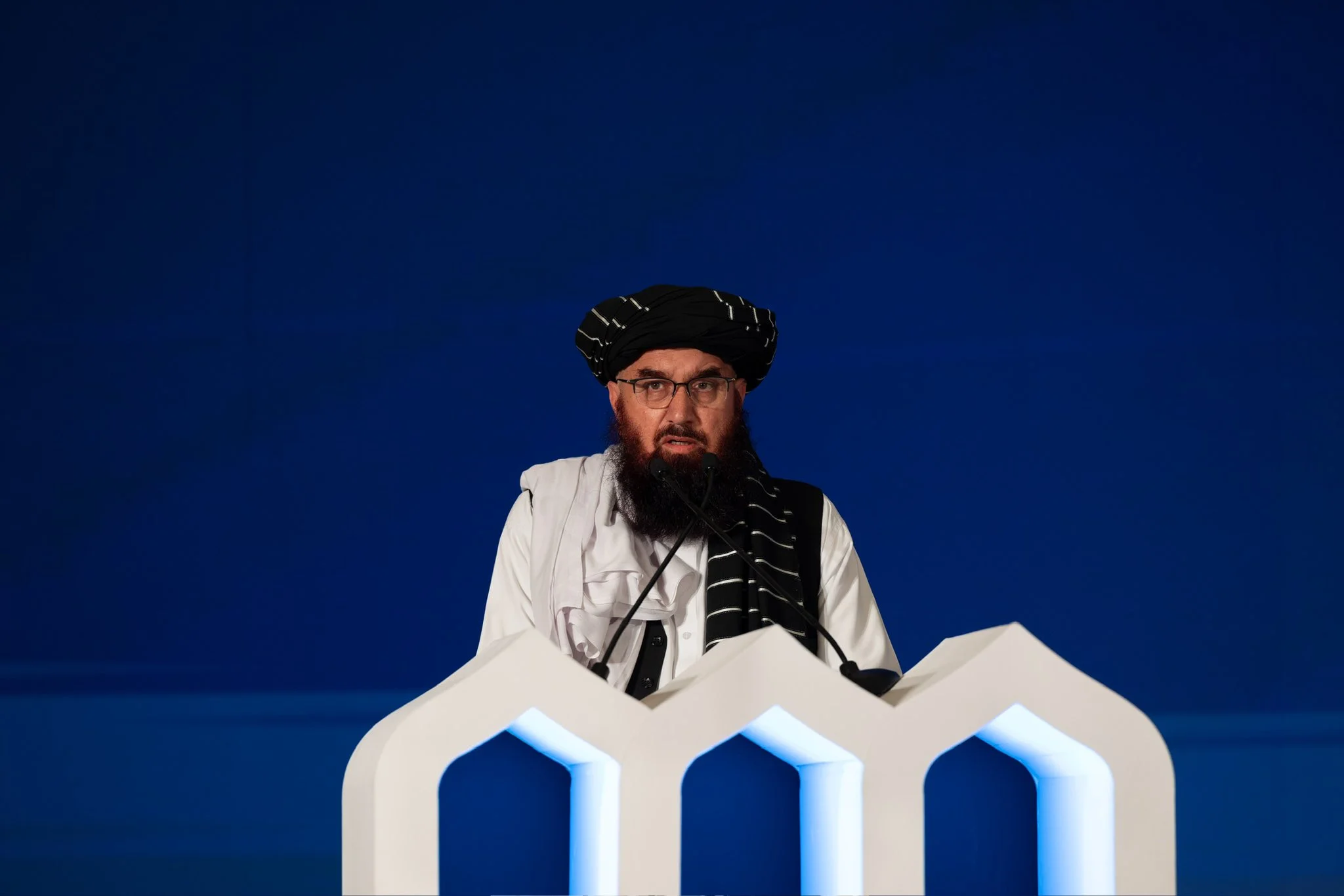
The Taliban’s new Criminal Procedure Code formalizes a four-tiered justice system that shields clerics and elites while subjecting ordinary Afghans to imprisonment and public flogging. By codifying social hierarchy into law, the regime violates international human rights norms and subverts Islam’s foundational promise of equality before the law, turning justice into an instrument of control rather than accountability.