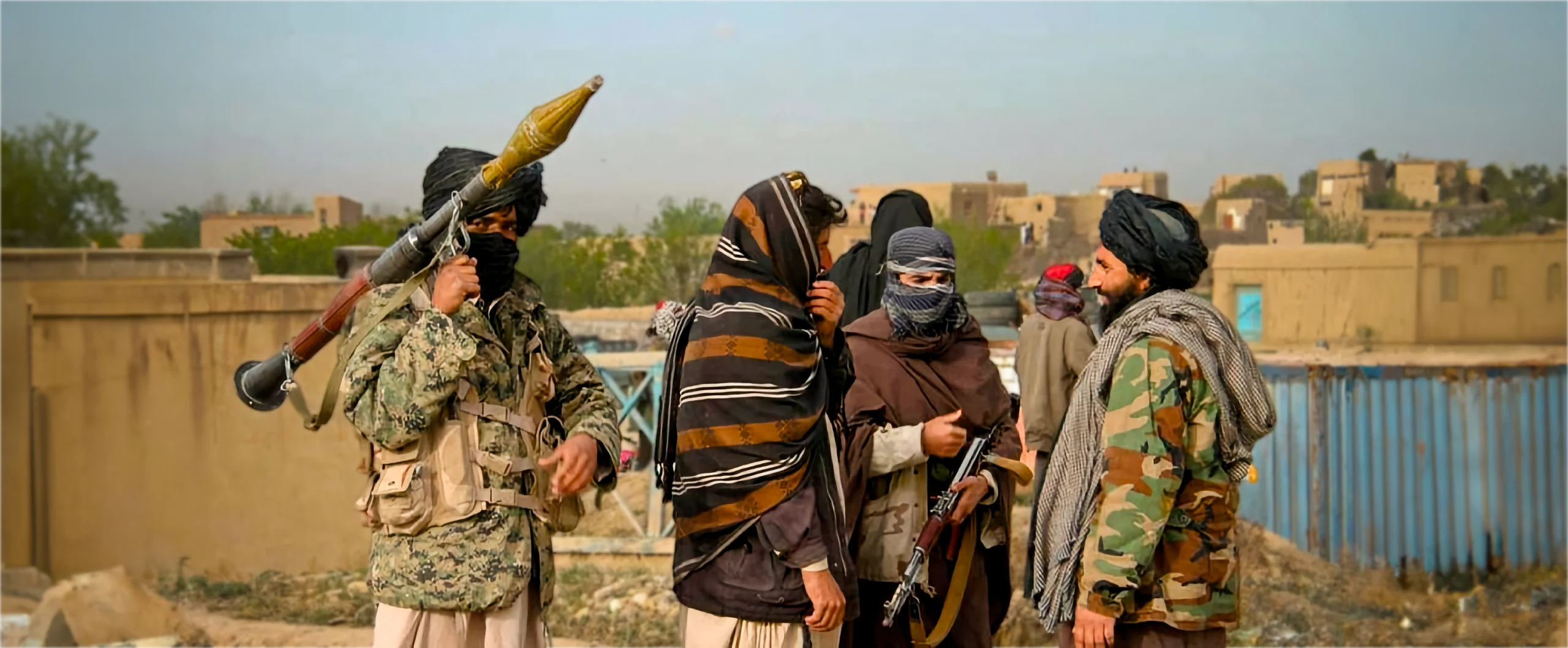
Afghanistan

Peace Conferences versus Terror Sanctuaries
A two-day peace conference in Islamabad sparked Afghan criticism, yet Kabul itself shelters groups like the TTP and BLA, fueling instability.


A two-day peace conference in Islamabad sparked Afghan criticism, yet Kabul itself shelters groups like the TTP and BLA, fueling instability.
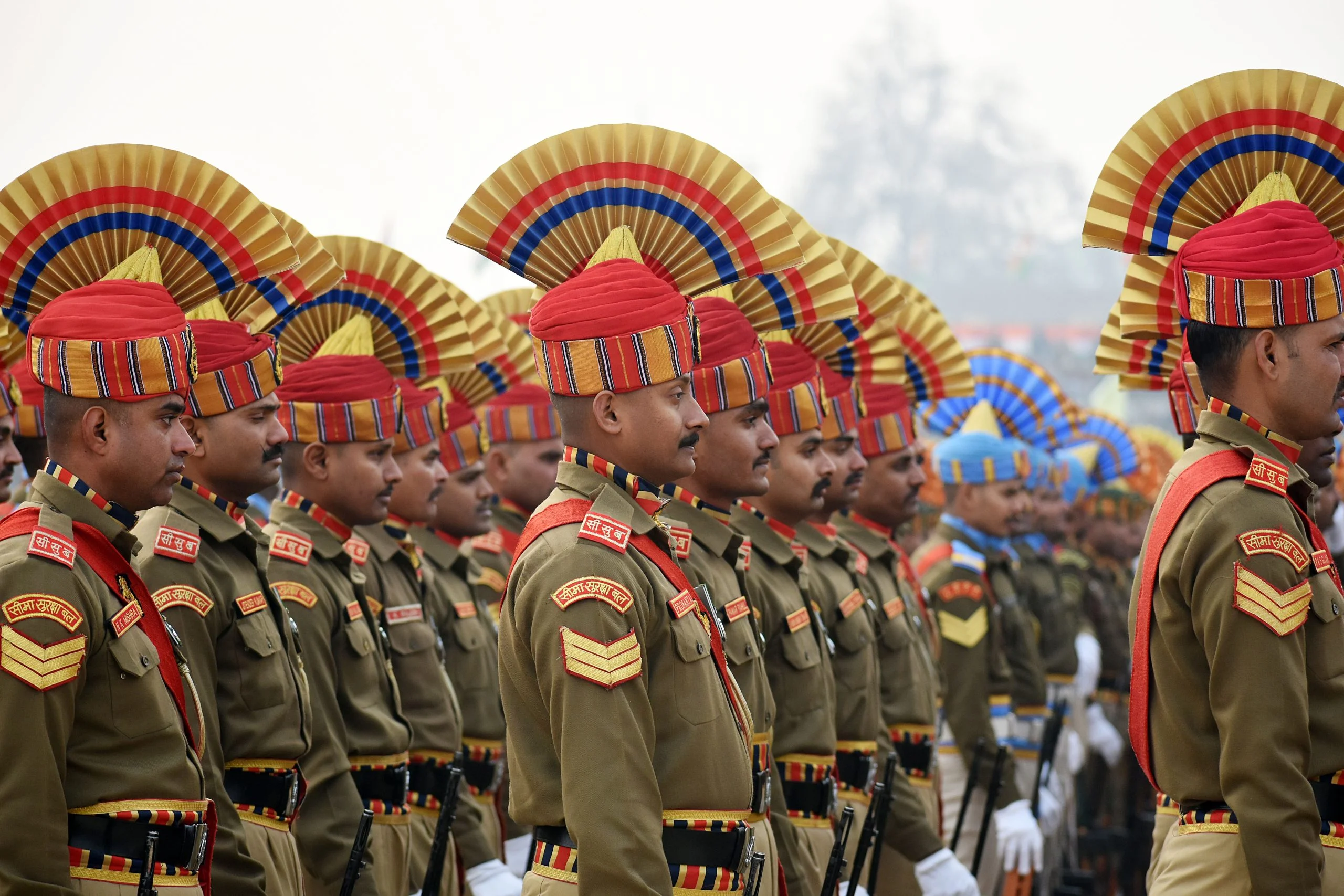
The development of hypersonic missiles, BMD systems, advanced surveillance assets, and nuclear submarines reveals India’s shift away from a purely defensive doctrine.
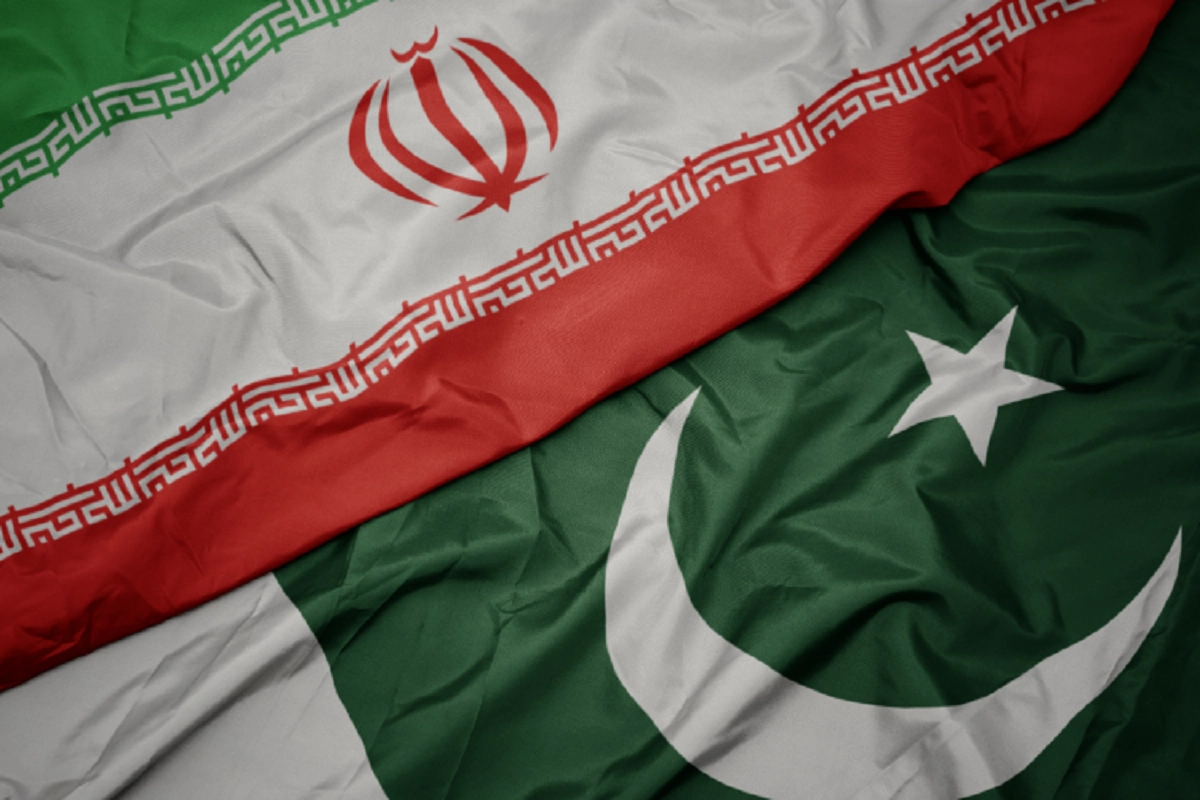
As Israel and India expand support for militancy in Balochistan. Iran and Pakistan are moving closer in security cooperation to counter foreign-backed separatism.
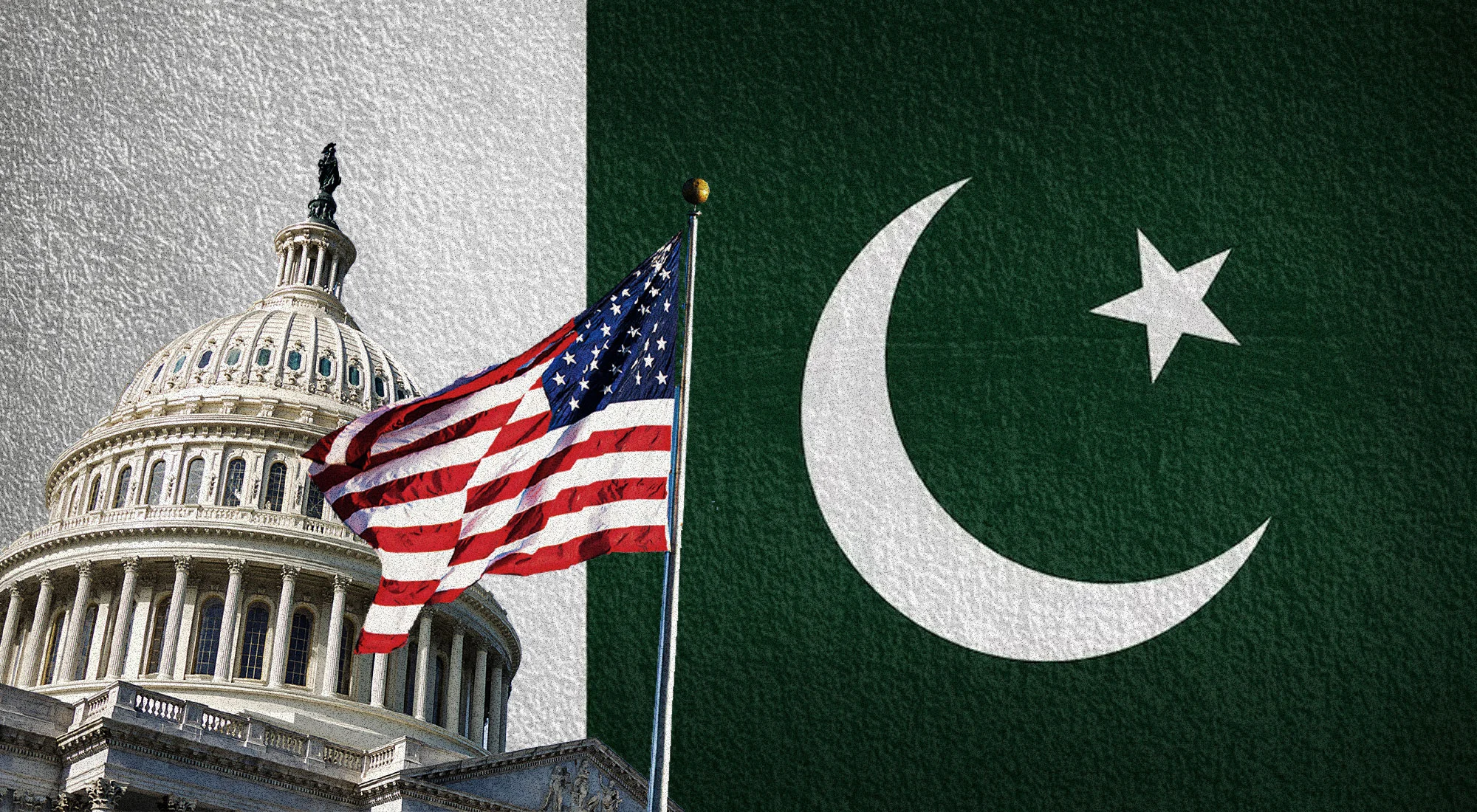
In 2025, Pakistan and the U.S. reset strained ties through counterterrorism, diplomacy, and strategic cooperation, marking a new phase in South Asian geopolitics.
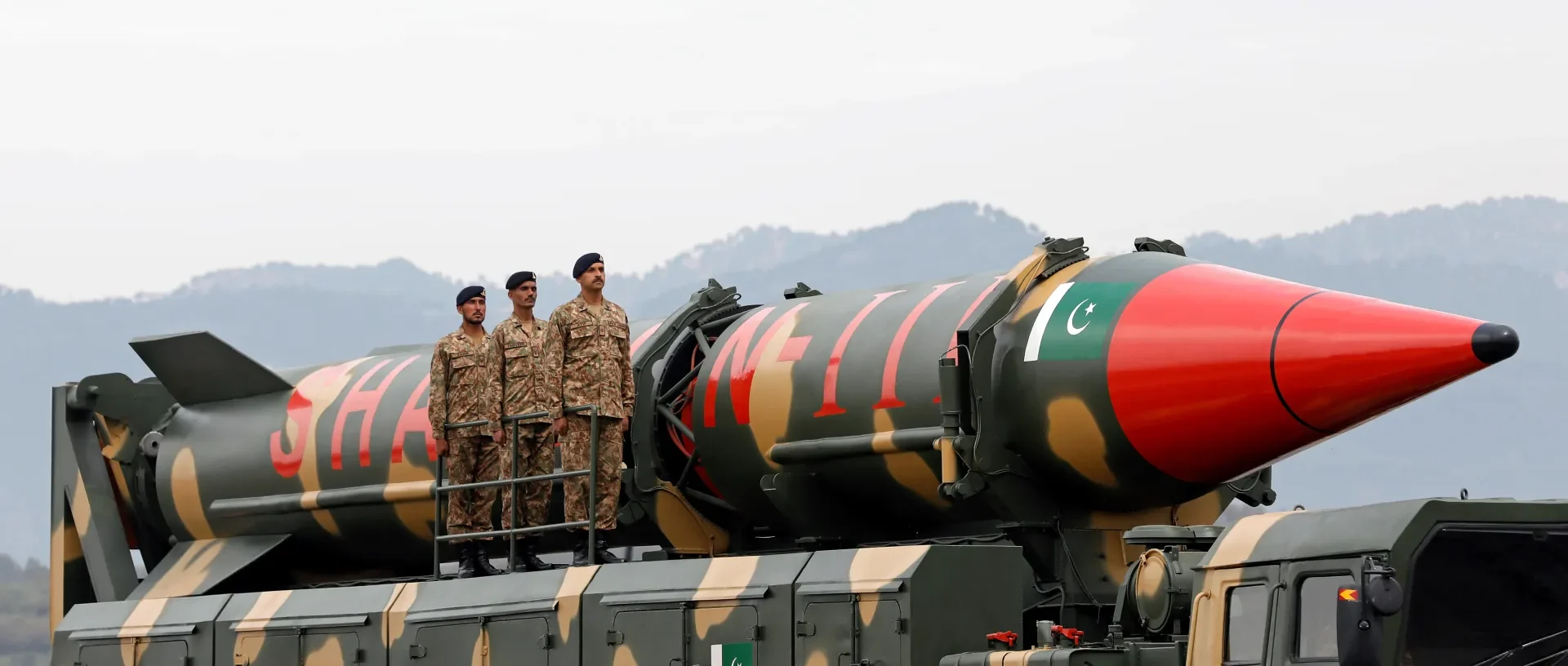
Pakistan’s Army Rocket Force Command (ARFC) is a newly established formation dedicated to managing conventional missile forces, giving Islamabad precision-strike capability beyond its nuclear deterrent.
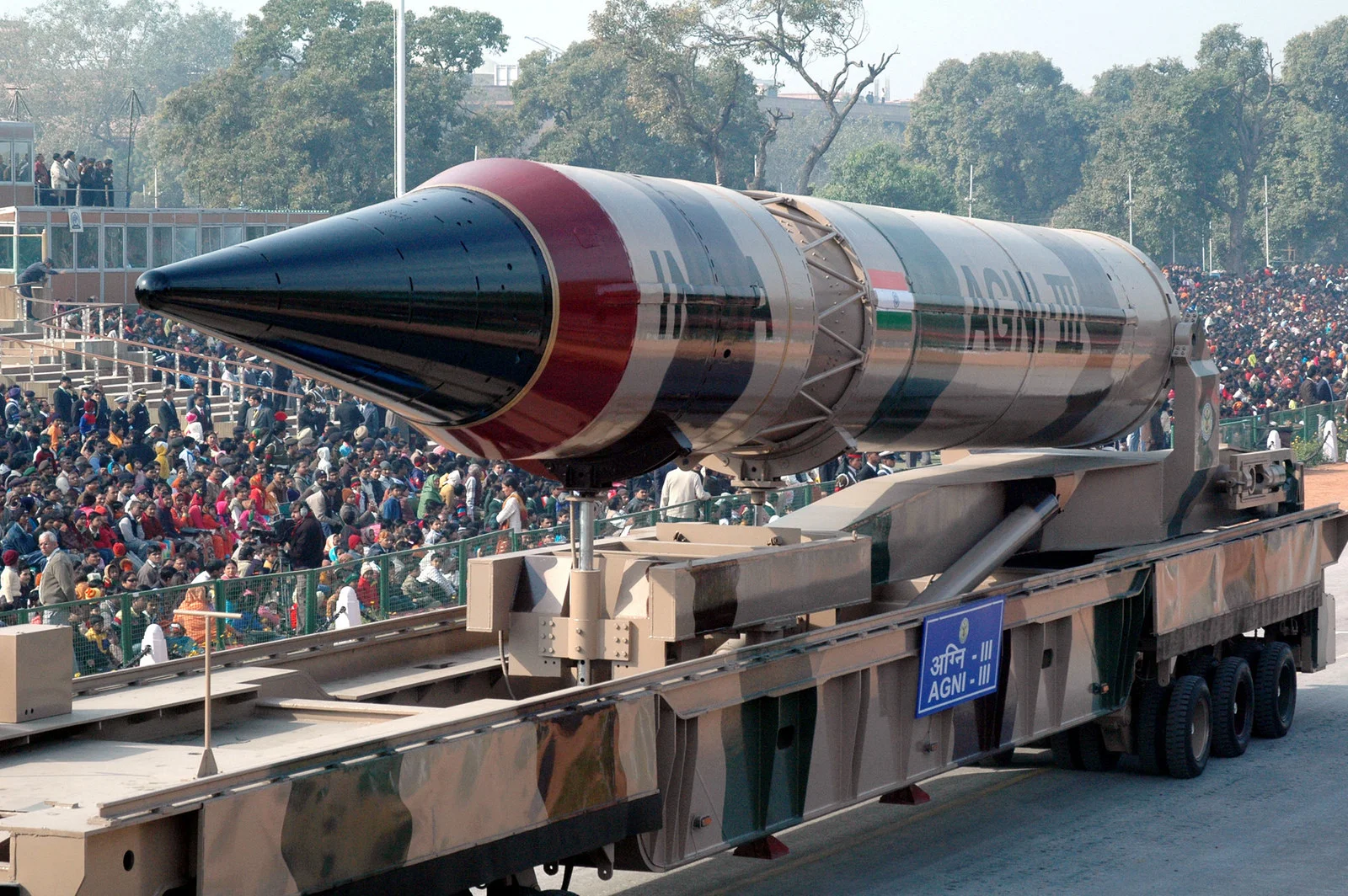
India’s nuclear program, built on deception and civilian technology diversion, has expanded into one of the world’s fastest-growing arsenals, fueling regional instability.

Pakistan’s $8 trillion in untapped mineral reserves presents a rare opportunity for a strategic US-Pakistan partnership. With critical minerals vital for technology, defense, and clean energy, such cooperation could secure America’s supply chains while transforming Pakistan’s economy.

After Operation Sindoor, Pakistan’s Navy showed it can deter India at sea through stealth, layered defenses, and nuclear capability.

Balochistan’s insurgency has shifted from tribal uprisings to foreign-backed militancy targeting Pakistan’s strategic assets.

Amid shifting global supply chains and great-power rivalry, Pakistan offers the United States untapped opportunities in minerals, technology, energy, and human capital.