The employment of airpower to combat terrorism is not a new phenomenon. Air launched weapons, comprising manned aircraft, drones and Unmanned Aerial Vehicle (UAVs) were extensively used in Afghanistan. The Soviets, in their decade long occupation of Afghanistan, used airpower to the optimum, but they failed to achieve the desired results and after suffering untenable losses, beat a hasty retreat, leaving the region in pandemonium.
Airpower and Counterterrorism: How it Shaped the War on Terror
Tragically, the Soviet invasion unleashed the demon of terrorism, which hit the world hard leading to devastation through the 9/11 attacks. The United States and the North Atlantic Treaty Organization (NATO) retaliated with full might, employing massive airpower against the Taliban regime for shielding Osama bin Laden—the purported mastermind behind the attacks on New York’s Twin Towers and Pentagon.
Remaining oblivious to Afghanistan’s reputation of being a “graveyard of empires”—the US and NATO forces also suffered the ignominy of failure against the Taliban. After two decades, the new invaders withdrew, leaving chaos and mayhem in their wake. The clock turned a full circle bringing the Taliban back in power; the multi-billion dollars worth of military hardware left behind by the US heightened the milieu.
The Hydra of Terrorism: Pakistan’s Battle Against TTP
Regrettably, the genie of terrorism has not been put back in the bottle and continues to wreak havoc because the Tehrik-e-Taliban Pakistan (TTP), a motley group of miscreants, imbibed by the ideology of the Al-Qaida and empowered through the franchise of the Islamic State or Daesh pose a grave threat to Pakistan and the region.
The twelve headed Hydra of terrorism, which grows back new ones the moment one is severed, has necessitated the evolution of a New Security Doctrine for the use of airpower through lessons learnt in Afghanistan’s counterterrorism operations.
The new security doctrine can strengthen Pakistan’s counterterrorism efforts and achieve greater stability and security by enhancing intelligence capabilities, integrating air and ground operations, maintaining flexibility in strategy, and addressing the root causes of terrorism.
The evolving nature of terrorist threats in Pakistan requires a flexibility and adaptability, continuous assessment and adjustment of tactics to address emerging challenges.
Airpower is a critical tool, but as mentioned earlier, it is essential to address the root causes of terrorism through socioeconomic development and counter-radicalization programs. A comprehensive approach that combines military action with efforts to tackle extremism at its source will yield more sustainable results.
Pakistan’s Technological Edge in Airpower and Counter Terrorism: The Role of Smart Software
One of the biggest threats of terrorism is that the enemy is faceless, it can hide among the civilian populace and strike at will. It has the capacity to seek refuge in caverns and canyons, which are shielded from public eye. Hearteningly, Pakistan Air Force has developed software which can be operated from airborne platforms to detect the location of the enemy and guide airpower as well as ground forces to launch assaults and decimate the enemy. The efficacy of this novel software has been proven and now other nations are yearning to learn from Pakistan’s experience.
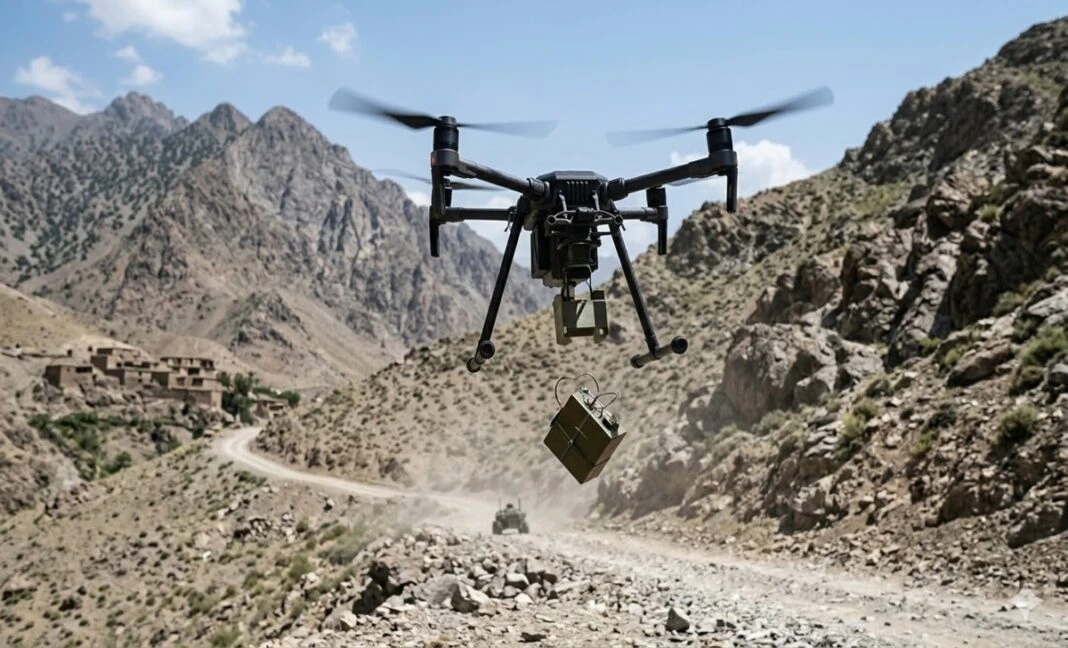
Sight must not be lost of the fact that the incessant use of weaponized drones by the US resulted in huge collateral damage, providing a rationale for the recruitment of terrorists. The US reliance on Predator and Reaper drones for counterterrorism attacks led to heavy civilian casualty. The justification for the US to desist from employing manned fighter jets was the horrific backlash in case a few were lost to enemy groundfire and the pilots were captured alive.
Pakistan continues to face the dilemma of using drone vs. manned fighter aircraft strikes, but the current arsenal weighs heavily in favour of the latter because of its limited armed drone capability. The shortfall can be supplemented through the acquisition of Turkish, Chinese and indigenous variations.
Pakistan’s Surgical Strikes in Afghanistan
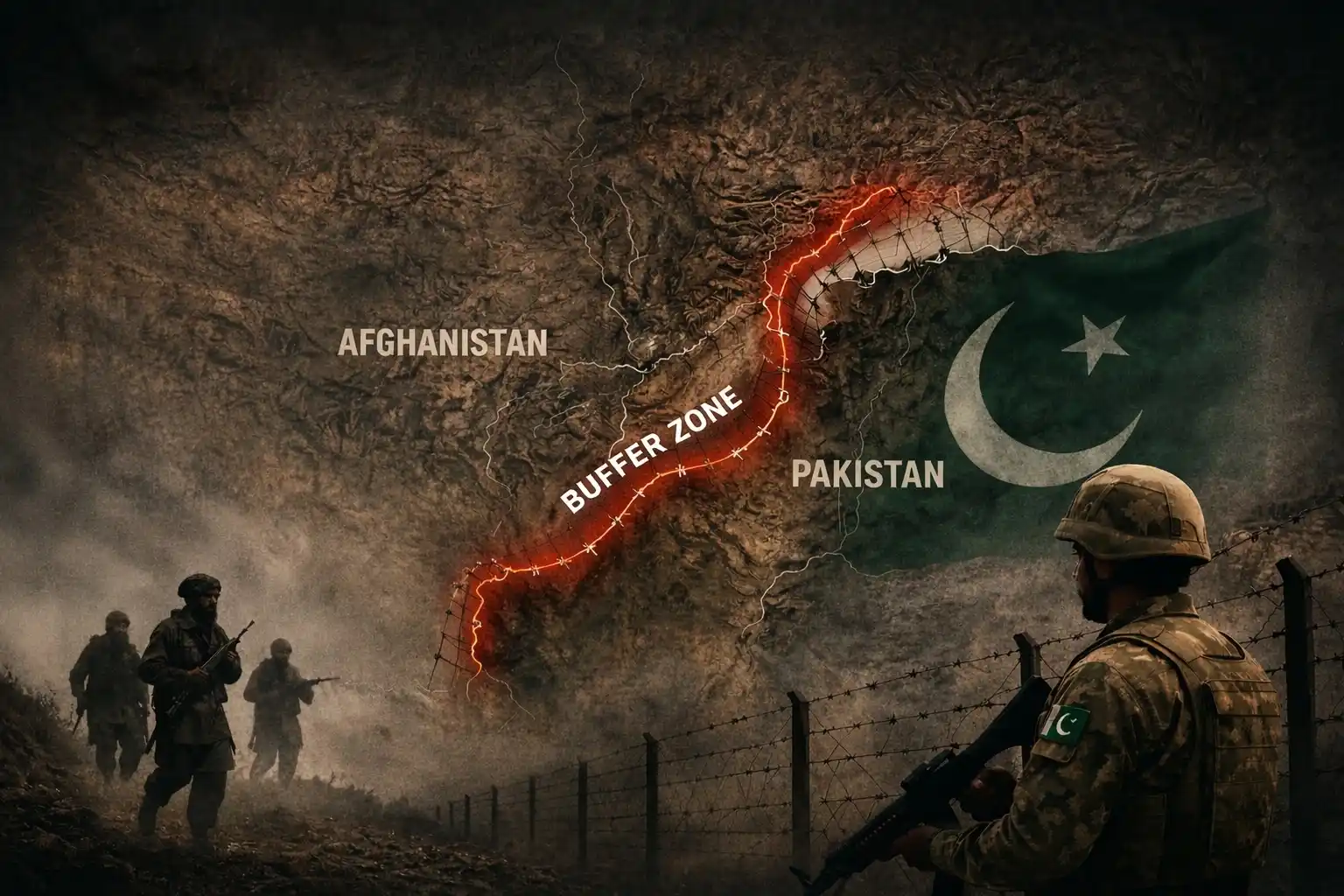
Exasperated by the recent upsurge in terrorism, Pakistan has been constrained to launch surgical strikes targeting TTP hideouts across the border in Afghanistan, to disrupt its operations and prevent future attacks. Pakistan’s cross-border airstrikes have drawn attention from the international community. While some view these actions as necessary for regional stability, others express concerns about the potential for escalating tensions between Pakistan and Afghanistan.
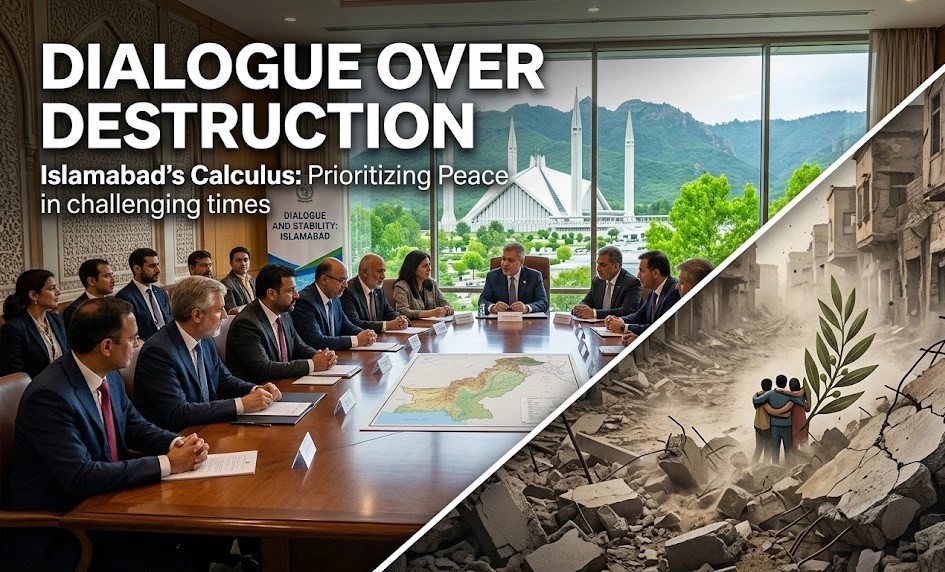
To address the diplomatic fallout from surgical strikes in Afghanistan, Pakistan could consider initiating high-level talks with the Afghan government to address mutual concerns, including cross-border terrorism and the presence of TTP militants. Transparent communication can help rebuild trust. Islamabad needs to collaborate with influential regional players like China, Russia, and Iran to mediate and foster understanding between Pakistan and Afghanistan. These countries have a vested interest in regional stability.
It is imperative to establish mechanisms for real-time intelligence sharing with Afghanistan to jointly address threats posed by groups like the TTP, reducing the need for unilateral actions. It would be worthwhile to offer humanitarian aid to affected areas in Afghanistan to demonstrate goodwill and mitigate the perception of hostility.
The good offices of the United Nations could be approached to highlight Pakistan’s security concerns while reaffirming its commitment to peace and stability in the region.
To allay the diplomatic fallout, Islamabad can launch a public diplomacy campaign to clarify Pakistan’s stance and actions, emphasizing its fight against terrorism and commitment to regional peace. Coordinating with Afghan authorities and regional allies to conduct joint operations will not only legitimizes the use of airpower but also fosters cooperation in counter-terrorism efforts.
Also See: The Afghanistan Crisis: Pakistan’s Unpaid Bill for a War It Didn’t Start
Psychological Warfare: Using Airpower Beyond Strikes
Airpower can be employed not just for strikes but also for psychological operations, such as leaflet drops or broadcasts, to undermine TTP morale and encourage defections.
Conducting thorough post-strike assessments to evaluate the effectiveness of operations and addressing any unintended consequences, such as civilian harm or infrastructure damage will be very helpful.
These steps could help Pakistan navigate the complex dynamics of its relationship with Afghanistan while addressing security challenges.
In conclusion, using airpower to combat terrorism, especially against TTP safe havens in Afghanistan, requires a carefully calibrated strategy to balance effectiveness with minimizing collateral damage and diplomatic fallout. Precision targeting, intelligence integration and joint operations will go a long way in mitigating the exacerbating circumstances.
The views expressed in this article are the author’s own. They do not necessarily reflect the editorial policy of the South Asia Times.