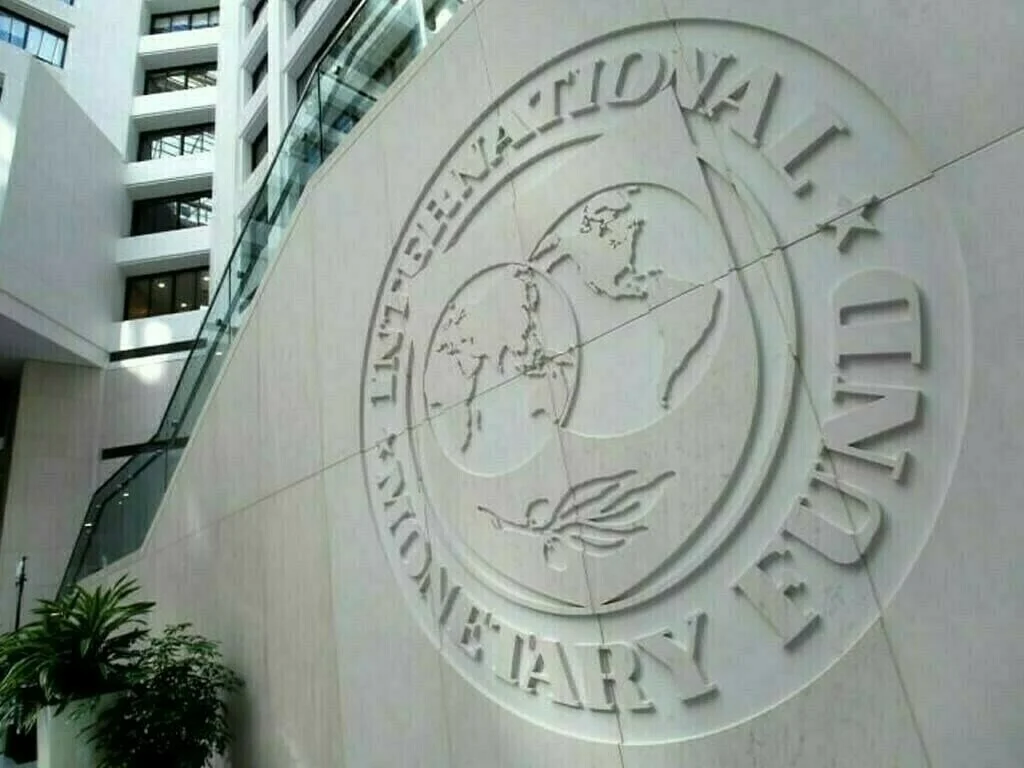
IMF accused of ‘shifting goalposts’ on Pakistan’s economic bailout, causing frustration for government officials and sources reveal concerns over changing interpretations of prior actions and alleged maltreatment by the IMF.
ISLAMABAD: The government has been trying to put on a brave face in its struggle to unlock critical funding from the IMF, but background discussions with officials reveal the administration is quite nervous beneath its confident exterior, as it finds it increasingly difficult to convince the Fund to release a loan instalment, while Pakistan accused IMF.
The International Monetary Fund (IMF) has changed interpretations of at least four prior actions ahead of reaching a staff-level agreement (SLA) on the direly needed economic bailout, as government accused IMF.
Sources say the authorities are extremely annoyed at the latest situation, describing it as ‘maltreatment’.
“We are members of the IMF, not beggars or else our membership be discarded,” commented a disgruntled senior official.
Another official even likened the situation to that in 1998, when Pakistan’s economic difficulties worsened in the wake of nuclear tests, and default seemed imminent, as government accused IMF.
Officials have also suggested that the IMF wanted to support the poor publicly, but had been insisting on some measures that would ultimately hit the low-income segments.
Despite this disappointment, however, the authorities anticipate — at least officially — the conclusion of the SLA next week and the materialization of financing support from friendly nations — some of which took more time than anticipated because of signals from the Fund, while government accused IMF.
They, however, concede that a gap in Islamabad’s diplomatic efforts, combined with Pakistan’s credibility gap and trust deficit following the reversal of agreed policy actions in the past, were key factors that pushed some capitals to work for Pakistan’s “meltdown”.
The IMF is reported to have estimated an all-inclusive financing gap of about $7bn for the current fiscal year against Pakistan’s projection of $5bn. However, one official hoped that the State Bank of Pakistan’s foreign exchange reserves would go beyond $10bn by the end of June from little over $3.1bn at present.
As per the sources, authorities have secured $1.3bn inflows in three tranches from Chinese banks, on top of the $700 million that has already been received. This would flow in two equal instalments of $500m and then $300m with a gap of a few days. Saudi Arabia and the United Arab Emirates would also be made available over $3bn.
The four items on the unfinished IMF loan program agenda include an early hike in the central bank’s interest rate to represent general inflation, exchange rate movement to cater for outflow to war-ravaged and sanction-hit Afghanistan, written assurances for external financing gap from friendly nations, and the continuation of Rs3.39 per unit financing cost surcharge on electricity consumers for coming years through the finance bill, rather than for four months already announced by the government.
However, one official described this last condition as ‘unreasonable’, since the argument is that such a surcharge would help meet the power sector’s financing gap in the years to come and how this could be done for future years in the presence of the parliament and the judiciary.
There are also objections over the government-SBP deadline given to exporters to bring their proceeds immediately or face conversion at old exchange rates.
As a result, the State Bank of Pakistan had been compelled to advance its monetary policy committee’s meeting to March 2 after publicly insisting on following the original schedule set for March 16.
The exchange rate adjustment also led to a 0.6pc fall in the rupee’s value on Tuesday to close at Rs261.50 against the dollar. This is strange because there had to be a difference between the market-based exchange rate and the one in the grey market, where people from the sanctioned nation across the border would in any case offer higher rate for their needs.
“This is an illegal activity and should be addressed accordingly. Even corrective measures in the market are opposed,” another source said.
Officials suggest all matters had been settled before the IMF mission concluded its visit to Pakistan on the night of Feb 9 and even a concluding statement from the Fund was supposed to report “comprehensive dialogue and positive outcome of the talks”, which got watered down during the approval process abroad, where some influential quarters were said to be “more political than politicians”.
The coercive situation is no different than in 1998 when the West wanted “Pakistan’s denuclearization” and moved behind the scenes to punish the nation for nuclear tests, an official said, adding that this time some powers had Pakistan’s missile program in mind.
The sources said the IMF publicly wanted taxes on the rich and support to the poor but insisted on increasing general sales tax rates that were inflationary and impacted the poor, while taxes on high earners like banks through foreign exchange transactions were opposed. Likewise, the flood levy on high-end groups were opposed on the premise that these were not quality measures.
Sources said the draft Memorandum of Economic and Fiscal Policies (MEFP) was first shared with Pakistan in February and had since been going through changes in agreed steps that Pakistan had already complied with by increasing gas and electricity prices and passing a Rs170bn mini-budget at a fast pace.
The prior actions are always set to be completed before the executive board meeting of the IMF for approval of quarterly review but this time this had been linked to the staff-level agreement. “This is also unusual,” an official said.
Source: Dawn News

Your trusted source for insightful journalism. Stay informed with our compelling coverage of global affairs, business, technology, and more.