Economists Warn China to Prioritize Climate Risks and Look Beyond GDP

Economists Warn China to Prioritize Climate Risks and Look Beyond GDP

Economists call on China to adopt a new development model based on “well-being” to head off climate risks

SINGAPORE: A team of influential economists warns China to adopt a new development model. They suggest focusing on “wellbeing” rather than GDP growth. This change is necessary to fulfill China’s 2060 net-zero emissions goals. It is also crucial to address the mounting threats of climate change.

In a report published on Thursday (Feb 23), the team, which includes two former chief economists of the World Bank, made several recommendations. They called on China to cap total fossil fuel consumption. They also recommended establishing a detailed “pathway” for reducing emissions.

The Chinese government has already received the report and its recommendations. Co-author Nicholas Stern, chair of Britain’s Grantham Research Institute on Climate Change and the Environment, told reporters he hoped it would play a constructive role in China’s 2026-2030 “five-year plan”, as economists warn China.

The old development model drove rapid growth in China over the last four decades. However, the report said this model is putting the world at “grave risk.”

China is aiming to bring emissions to a peak by 2030, though it currently remains unclear at what level they will peak. Stern said it needed to set a specific numerical target in order to bring “clarity” to its decision-making.

The report also called on China to give greater prominence to public transport and set a timetable for the elimination of fossil-fuel vehicles. China should also promote low-carbon agriculture, including plant-based meat and dairy, it said.

SEE ALSO: https://southasiatimes.org/china-covid-19-aid-efforts-for-south-asian-region/

Green GDP

China began experimenting with “green GDP” in 2005 as concerns mounted about the environmental damage done by rapid industrialization. A 2006 government report concluded that environmental losses amounted to 3 per cent of total GDP, but critics believed the actual figure was much higher.

Though China cancelled the green GDP project in 2009, it promised in 2013 to abandon a “growth at all costs” model. China also stated that it would no longer assess officials solely based on GDP.

Some provinces have recently resumed efforts to create new indicators reflecting the environmental costs of development, with central China’s Hubei using a pilot “gross ecosystem product” that can be applied to individual districts, rivers or development projects.

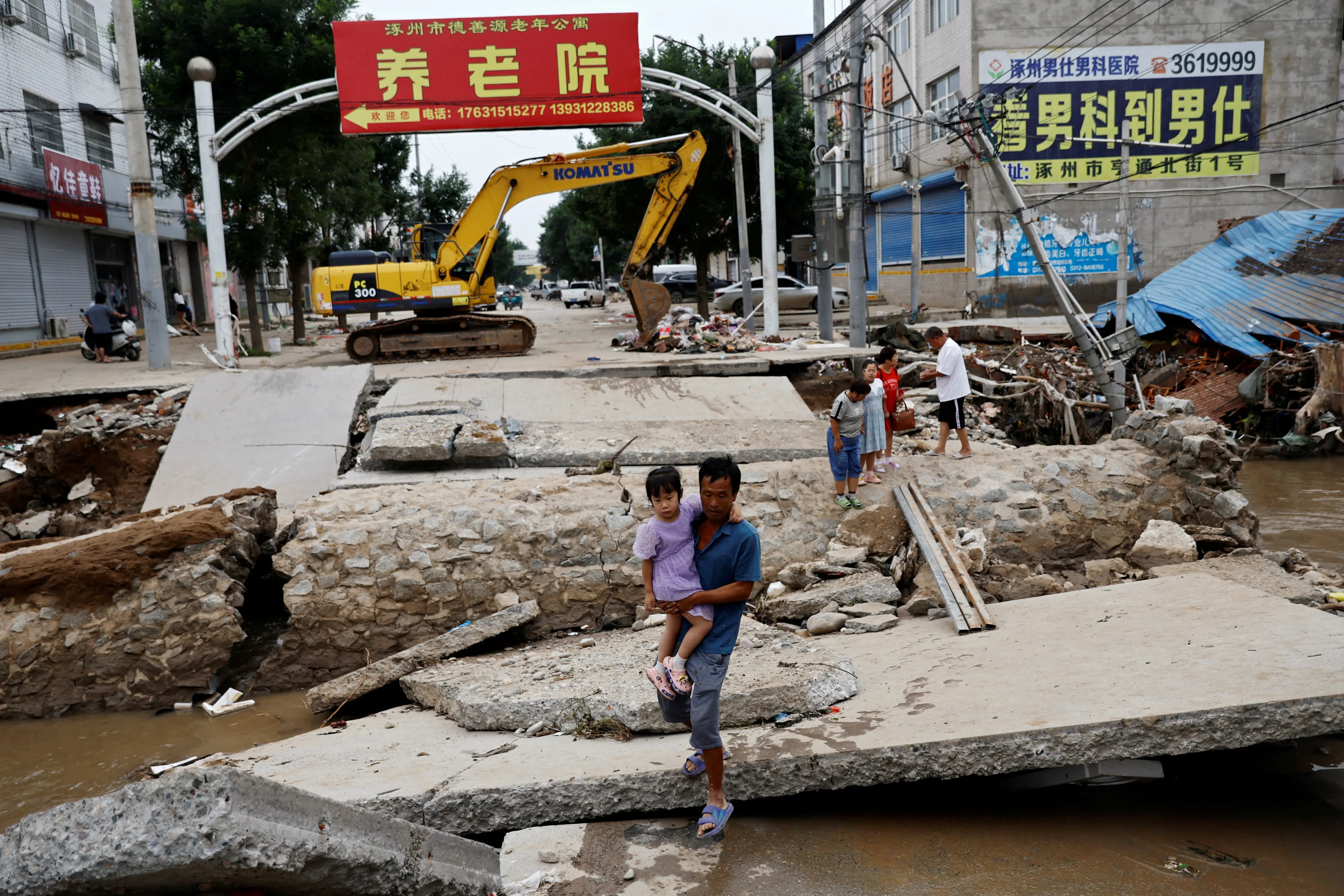
China is home to 16 of the 20 global regions most vulnerable to climate change, data showed on Monday.

Source: CNA

News Desk

Your trusted source for insightful journalism. Stay informed with our compelling coverage of global affairs, business, technology, and more.


Recent

A critical analysis of Drop Site News’ report alleging a UK–Pakistan “swap deal,” exposing its reliance on anonymous sources, partisan framing, and legally impossible claims.

Anonymous Sources, Big Claims, Thin Ground

A recent Drop Site News report claims a covert UK–Pakistan exchange of convicted sex offenders for political dissidents. But a closer look shows the story rests on hearsay, anonymous insiders, and a narrative shaped more by partisan loyalties than evidence. From misrepresenting legally declared propagandists as persecuted critics to ignoring the legal impossibility of such a swap, this report illustrates how modern journalism can slip into activism. When sensational claims outrun facts and legality, credibility collapses, and so does the line between holding power accountable and manufacturing a story.

Read More »
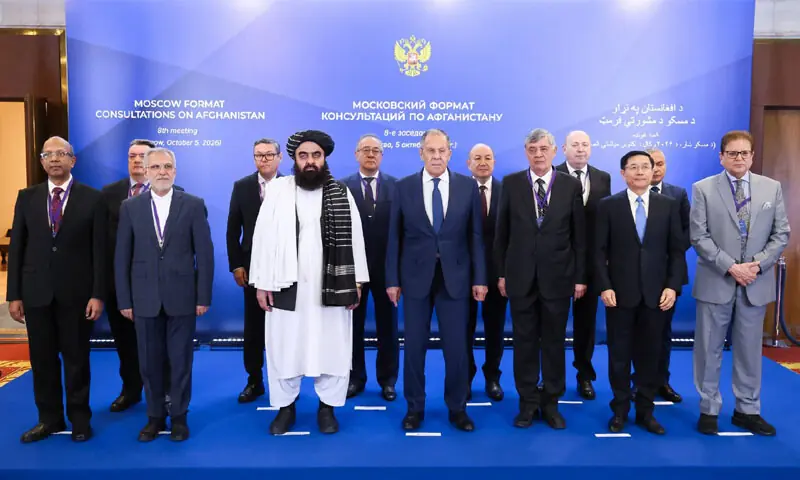
A sharp critique of Zabihullah Mujahid’s recent evasive remarks on the TTP, exposing Taliban hypocrisy and Afghan complicity in cross-border militancy.

Zabihullah Mujahid’s Bizarre Statement on TTP: A Lesson in Hypocrisy and Evasion

Zabihullah Mujahid’s recent statement dismissing the TTP as Pakistan’s “internal issue” and claiming Pashto lacks the word “terrorist” is a glaring act of evasion. By downplaying a UN-listed militant group hosted on Afghan soil, the Taliban spokesperson attempts to deflect responsibility, despite overwhelming evidence of TTP sanctuaries, leadership, and operations in Afghanistan. His remarks reveal not linguistic nuance, but calculated hypocrisy and political convenience.

Read More »
Beyond the Rhetoric: What Muttaqi’s Address Reveals About Afghan Policy

Beyond the Rhetoric: What Muttaqi’s Address Reveals About Afghan Policy

Interim Foreign Minister Amir Khan Muttaqi’s recent address sought to reframe Afghanistan’s strained ties with Pakistan through a narrative of victimhood and denial. From dismissing cross-border militancy to overstating economic resilience, his claims contradict on-ground realities and historical patterns. A closer examination reveals strategic deflection rather than accountability, with serious implications for regional peace and security.

Read More »
We Want Deliverance

We Want Deliverance

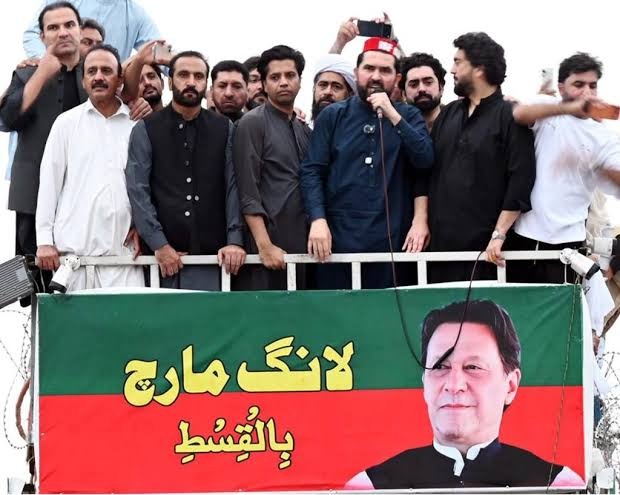
Political mobilization in South Asia is not rooted in policy or institutions but in a profound yearning for deliverance. From Modi’s civilizational aura in India to Imran Khan’s revolutionary moral narrative in Pakistan, voters seek not managers of the state but messianic figures who promise total transformation. This “Messiah Complex” fuels a cycle of charismatic rise, institutional erosion, and eventual democratic breakdown, a pattern embedded in the region’s political psychology and historical imagination.

Read More »