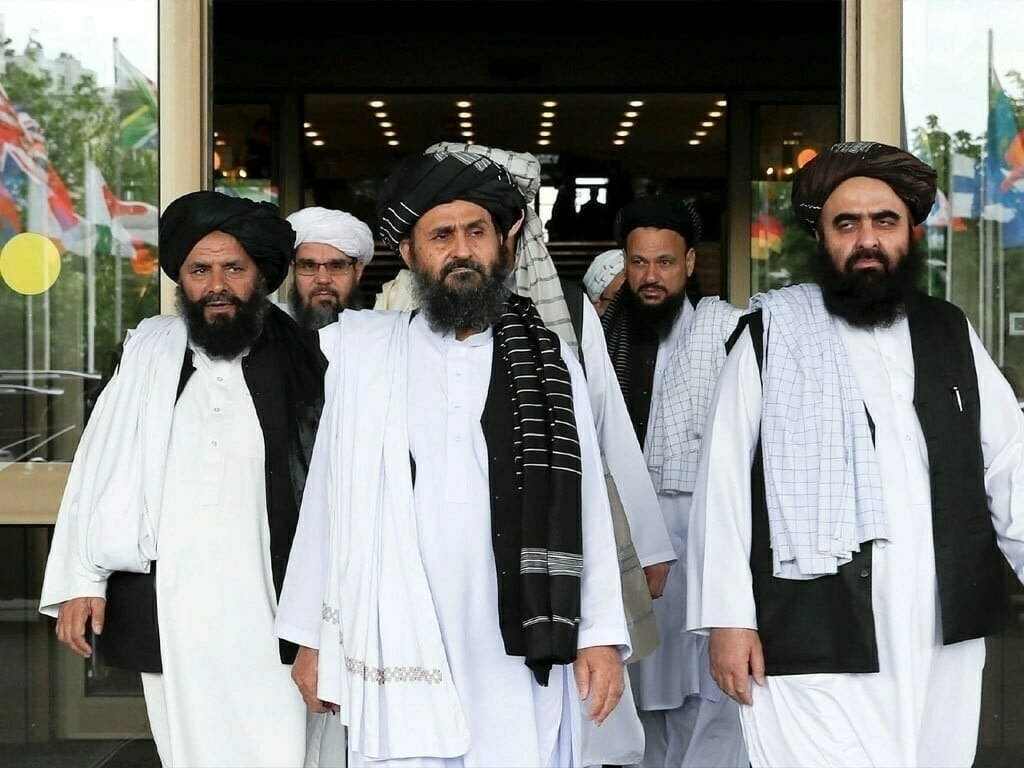
There is a lot happening in Afghanistan since the announcement of the US withdrawal. Therefore, the local stakeholders decided to meet and formulate a peace plan for Afghanistan. These stakeholders include Russia, Pakistan, China and US. The meeting is to take place on 30th April 2021 in Moscow. The participants will discuss the peace process that specifically included intra-afghan talks.
To discuss intra-afghan talks, representatives of USA Zalmay Khalilzad will be present at the meeting. According to the Russian Special Presidential Representative for Afghanistan Zamir Kabulov the meeting is an extended part of the Toraika meeting. The Toraika meeting took place on 18th March 2021 in Moscow to discuss the afghan peace process. The meeting will also include; Qatar, turkey, the Afghan government in Kabul and representatives of Afghan Taliban.
Role of Russia and Pakistan
Russia has and still is playing an important role in the afghan peace talks and in the internal politics of Afghanistan. For past few years, Russia has provided space and location for afghan leadership to hold talks. It has also pushed for a peaceful resolution. In past months, Russia called for Taliban to be included in mainstream politics of Afghanistan, which is seconded by Pakistan.
Pakistan has played a massive role in bringing Taliban to the table due to its close links. The Peace agreement of 2020, according to Pakistan Foreign Minister Shah Mehmood Qureshi, was not possible without Pakistan’s interference. He also claims that Pakistan has a big role to play in Afghan peace. Pakistan has sustained a casualty of more than 100,000 in past two decades due to war and chaos in Afghanistan. Prime Minister Imran khan of Pakistan has mentioned at several occasion that peace in Afghanistan is a national interest.
USA\’s Disastrous Involvement in Afghanistan
The war in Afghanistan started after the 9/11 attack that killed over 2,000 people. US and its NATO allies invaded Afghanistan and ousted the Taliban Government from Kabul. The US installed a mere democratic government under Hamid Karzai. However, in 2014, President Ashraf Ghani replaced him. Despite all that, US and its allies couldn’t control the export of terrorism from Afghanistan and things only worsened.
After the assassination of Osama bin laden, US thought that the war ended, but Taliban hit back again. The resistance against US was so hard, that US finally agreed to withdraw. The US adventure of $1 trillion ended up in nothing but more devastation. That led to the Peace Agreement on February 29th, 2020 in Doha between US and Taliban. The deal promised the withdrawal of US troop by May 1st of 2021. The date is extended to September 11th, 2021 by Biden administration.