Hoping for mediation
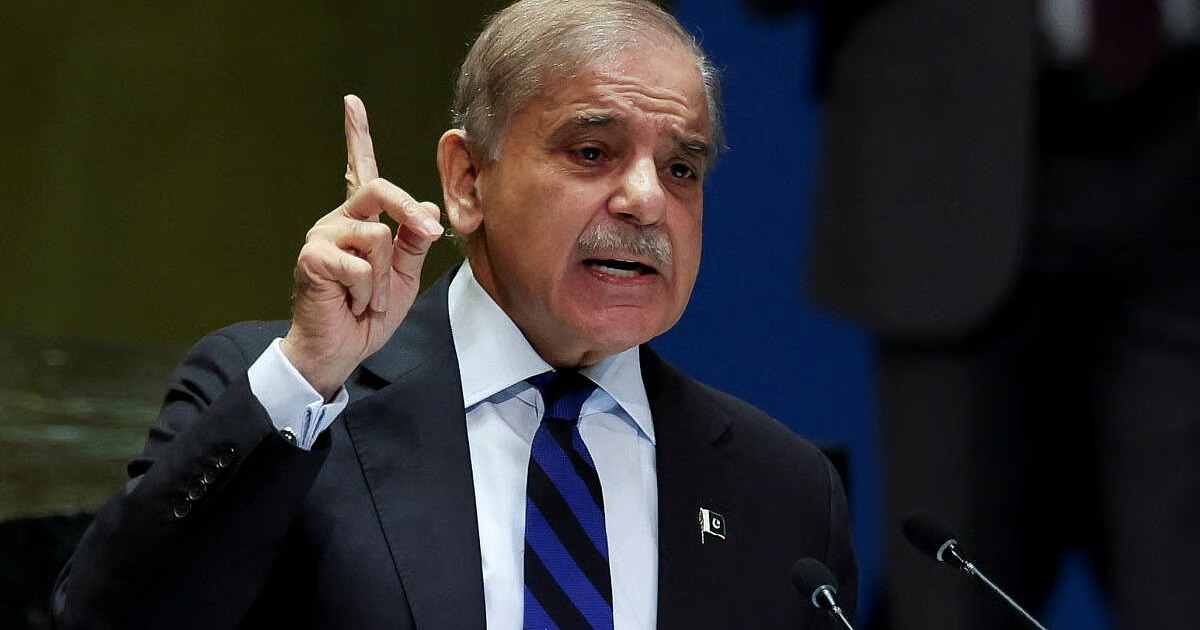
Prime Minister Imran Khan released a statement on Monday. He said that Pakistan’s U.S. requested mediation efforts between Gulf rivals Saudi Arabia and Iran have been making slow progress.
Prompted by Washington, former cricket great Khan in October visited Tehran and Riyadh. Pakistan has been making efforts since then to facilitate talks between the KSA and Iran. After attacks on Gulf oil interests, which the United States blamed on Iran, relations have been icy between the two countries. Moreover, tensions have been rising between Riyadh and Tehran over myriad issues. One of these is the war in Yemen where the kingdom is battling the Houthi rebel movement.
Islamabad and Tehran’s bilateral relations
For years, ties between Iran and Pakistan have remained tense due to a deep mutual mistrust. Generally, Islamabad has tried to maintain close ties with both, Saudi Arabia and Iran, but has drifted away from Tehran in the past few years.
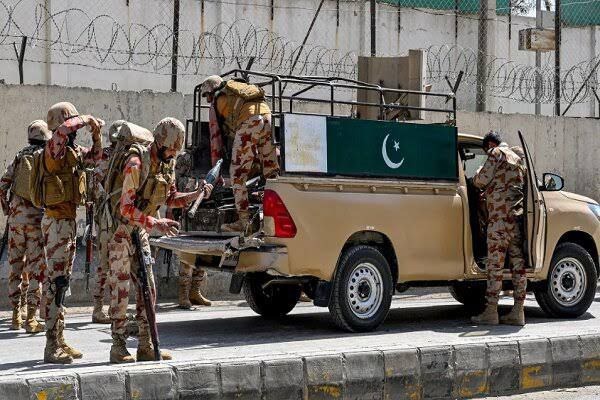
Both Islamabad and Tehran accuse each other of backing and facilitating separatist groups, active in the Baluchistan provinces and seek independence from both neighbours.
In March, President Rouhani demanded Pakistan act decisively against anti-Iranian terrorists. An attack in February attack killed 27 members of the elite Revolutionary Guard in Sistan-Baluchistan was claimed Jaish al-Adl (Army of Justice). Tehran claimed that the suicide bomber was a Pakistani, and says the banned outfit operates mostly out of Pakistan.
Iran is also angered by Pakistan\’s role in the Saudi-led military alliance that is operating against Shiite Houthi rebels in Yemen.
PM Imran Khan’s statement
“Our mediation between Iran and Saudi Arabia has not stopped and we are making progress, but slowly,” PM Khan told Al Jazeera. The broadcaster released extracts from an interview which is set to be aired in full on Wednesday.
Prime Minister Imran Khan added, “We have done our best to avoid a military confrontation between Iran and Saudi Arabia, and our efforts have succeeded,” Qatar-based Al Jazeera reported.
What is on the cards?
Shi’ite Muslim Iran has long been at odds with U.S. Gulf Sunni Arab ally Saudi Arabia. U.S.-Iranian frictions worsened when President Donald Trump’s administration withdrew in mid-2018 from an accord. The accord limited Tehran’s nuclear program in exchange for easing sanctions.
Islamabad is stepping up efforts to defuse tensions between the Gulf neighbours. Pakistan can rightly fear that a possible US-backed war with Iran would spill over into Pakistan. This could also possibly unleash sectarian violence between the country\’s majority Sunni and minority Shiite populations. Moreover, it would spell out an economic disaster for a country with an already frail economy.

Your trusted source for insightful journalism. Stay informed with our compelling coverage of global affairs, business, technology, and more.