![PAJCCI hails PM Shehbaz Sharif's Rs. 7.41/unit power tariff cut, calling it a boost for industry, economy, and public relief. [Image via APP]](https://southasiatimes.org/wp-content/uploads/2025/04/1186726_2643638_Electricity_updates.webp)
PESHAWAR, April 4: The Pak-Afghan Joint Chamber of Commerce and Industry (PAJCCI) has warmly welcomed the recent announcement made by Prime Minister Mian Muhammad Shahbaz Sharif regarding a massive reduction in electricity tariffs, calling it a much-needed step towards national economic revival and public relief.
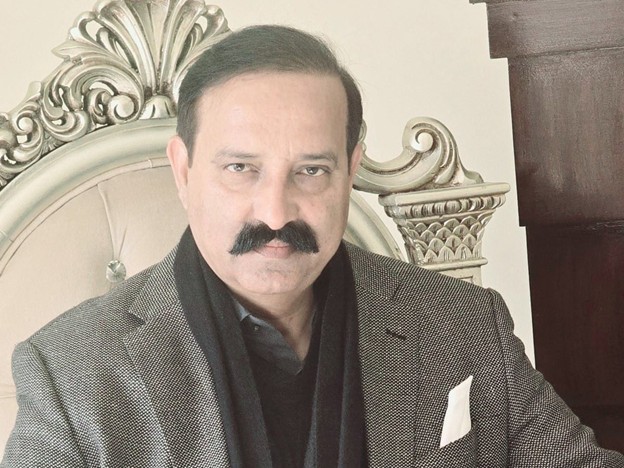
In a press statement issued here on Friday, Senior Vice President PAJCCI, Zia-ul-Haq Sarhadi, said the decision taken by the Prime Minister of reducing electricity prices by around Rs. 7.41 per unit for domestic consumers and Rs. 7.59 per unit for industrial units would provide significant relief to the masses, besides boosting commercial activities in the country by increasing industrial production and employment opportunities.
“The decision of slashing electricity prices was very essential and demanded by people and the business community as well,” Zia added.
He expressed the hope that this decision by the Prime Minister would bring prosperity to the country through stabilizing the economy and increasing exports. The move would also prove beneficial in reducing prices of essential items, thereby providing substantial relief to the masses, Zia continued.
Also See: From Hospitality to Hard Choices: Pakistan’s Refugee Challenge
PAJCCI’s office bearer urged the Prime Minister to continue taking such bold and people-friendly decisions, stating that the masses have suffered significantly due to the years-long wave of price hikes, which resulted in a decline in industrial production and employment.
He termed the massive reduction in electricity prices as a very welcoming step and a good omen for the country’s economy. He further emphasized that such measures could reinstate business confidence, especially in the manufacturing sector, and reinvigorate investor interest both domestically and internationally.
The PAJCCI also highlighted that cheaper electricity would be especially beneficial for small and medium enterprises (SMEs), which form the backbone of Pakistan’s industrial landscape, and have been severely affected by high energy costs in recent years.
This news has been compiled for informational purposes based on available data from official sources, eyewitness accounts, and publicly accessible information. Further developments will be reported as they emerge.