Kabul, March 23, 2025 — The Torkham border, a crucial gateway between Pakistan and Afghanistan, has reopened after being shut for over a month, providing relief to thousands of travelers stranded on both sides. The reopening, which came into effect on Saturday, was the result of intensive negotiations facilitated by a joint jirga from both sides, marking a positive step in Pakistan-Afghanistan relations.
The border had been closed abruptly on February 21 following rising tensions over construction activities on both sides of the border. The situation escalated with a border clash in early March, leaving several people injured and further stalling cross-border movement. However, after 27 days of impasse, the border reopened, allowing pedestrians with valid passports and visas to cross.
“The border gate reopened at 8am, drawing large crowds on both sides as people lined up to cross,” a Landikotal resident told our correspondent, Nasib Shah Shinwari. “Only those carrying passports and visas are being permitted entry, while Tazkira holders remain barred,” he added, highlighting a shift in policy that previously allowed Afghan nationals to cross using their national ID cards.
While Pakistan has allowed entry to Afghan nationals with valid documentation, a significant number of patients, particularly cancer patients, have been granted permission to cross without official papers for medical treatment, continuing a longstanding arrangement.
Sadiq’s Diplomatic Push in Kabul
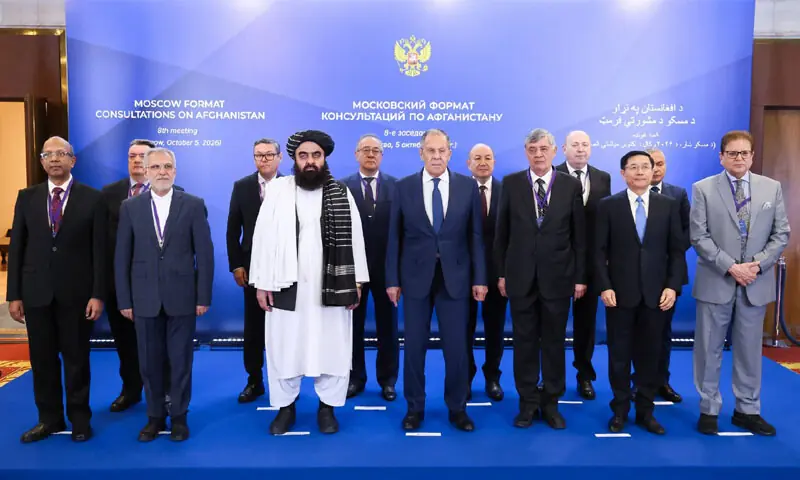
The reopening coincides with ongoing diplomatic discussions between Pakistani and Afghan officials. Pakistan’s Special Representative for Afghanistan, Ambassador Mohammad Sadiq Khan, who was visiting Kabul, met Afghan Foreign Minister Mawlawi Amir Khan Muttaqi on Saturday to discuss a range of bilateral issues, including security concerns, trade, and the repatriation of Afghan refugees.
Ambassador Sadiq emphasized that the security situation in Afghanistan was critical not only for Pakistan but for the entire region. Both sides expressed a shared commitment to improving transit routes, fostering trade relations, and ensuring the smooth movement of people. However, the discussions also acknowledged the persistent security challenges that plague the region.
This was the second visit of Ambassador Sadiq to Kabul in less than three months at a time when relations are at the lowest ebb due to the growing incidents of violence in the country.
The visit is viewed as an attempt to sustain diplomatic engagement despite ongoing tensions, particularly Pakistan’s concerns over increasing attacks in Khyber Pakhtunkhwa and Balochistan, which Islamabad attributes to militant groups allegedly operating from Afghan soil.
Also See: Ambassador Sadiq Khan on Pakistan Day: Stronger Pakistan-Afghanistan Ties Key to Stability
A Path to Cooperation Amidst Tensions
The reopening of Torkham marks a crucial moment in bilateral relations, but it also highlights the underlying complexities. Diplomatic talks have centered around issues such as the status of Afghan refugees, border security, and the growing violence in Pakistan’s Khyber Pakhtunkhwa and Balochistan regions, which Pakistan alleges is linked to militant groups operating from Afghan soil.
Pakistani officials continue to voice concerns over the presence of groups like the Tehreek-e-Taliban Pakistan (TTP) in Afghanistan, a sensitive issue that has strained relations between the two nations. Despite Afghan Taliban denials, Pakistan maintains that militants have found refuge in Afghanistan, fueling a cycle of cross-border violence.
In response to these concerns, the Afghan government has emphasized the need for a dignified return of refugees, calling for gradual repatriation instead of forced deportations. This has been a key issue in the ongoing talks between the two sides, with both countries acknowledging that resolving these issues is crucial for regional stability.
Looking Ahead: Constructive Dialogue for a Stable Future
Ambassador Sadiq’s visit is seen as part of Pakistan’s ongoing effort to engage with Afghanistan diplomatically, even amid rising tensions. The reopening of Torkham is a symbol of Pakistan’s commitment to fostering peace and economic progress in the region. At the same time, the situation remains delicate, with security concerns and accusations of harboring militant groups continuing to complicate the diplomatic landscape.
The two countries have committed to holding further joint meetings and delegation exchanges to resolve ongoing issues. For now, the reopening of Torkham offers hope for smoother cross-border exchanges, but the road ahead remains fraught with challenges.
As the two countries move forward, the focus will remain on striking a balance between economic cooperation and addressing security concerns, with both sides hoping for a future marked by greater stability and mutual trust.

Your trusted source for insightful journalism. Stay informed with our compelling coverage of global affairs, business, technology, and more.