February 19, 2025: India’s defense sector is confronting a series of critical challenges, including significant delays in indigenous fighter jet programs and persistent issues of corruption, which collectively undermine the nation’s military readiness and strategic positioning.
Operational Shortfalls and Delays
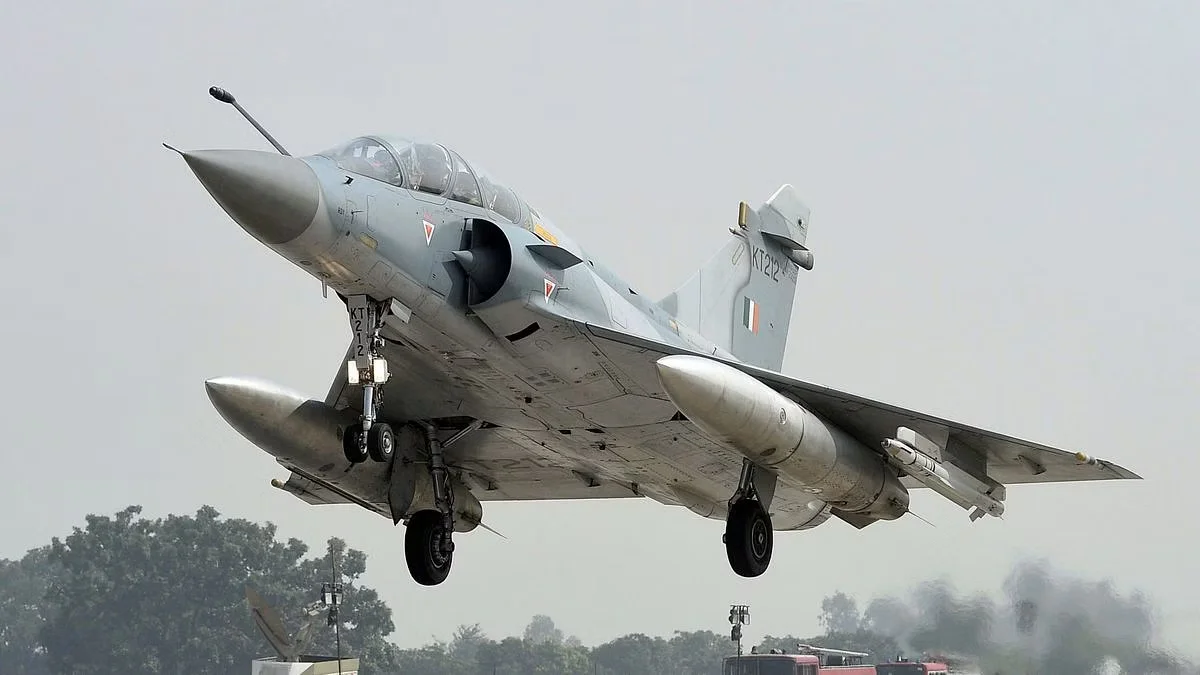
The Indian Air Force (IAF) currently operates 31 fighter squadrons, falling short of the sanctioned strength of 42 squadrons—a benchmark established to ensure robust defense capabilities. This shortfall is particularly concerning given the rapid military advancements of neighboring countries, notably China’s unveiling of its 6th-generation fighter jets and Pakistan’s procurement of the J-35 stealth fighter. These developments accentuate India’s strategic vulnerabilities in the region.
Efforts to modernize the fleet have encountered significant obstacles. The Advanced Medium Combat Aircraft (AMCA) program, initiated in 2024, remains years away from its inaugural flight, leaving a critical gap as regional adversaries advance their aerial capabilities. Similarly, the Tejas Light Combat Aircraft, intended to replace the aging MiG-21s, has faced production delays and performance issues. Hindustan Aeronautics Limited (HAL), responsible for Tejas’s production, has been criticized for its sluggish delivery schedule. In response to these delays, HAL has pledged to expedite deliveries, aiming to supply 16 to 24 Tejas aircraft in the upcoming fiscal year, contingent upon the timely receipt of engines from General Electric.
Also See: Rising Suicide Rates in Indian Armed Forces Raise Alarming Concerns
Corruption and Procurement Challenges
The defense procurement process in India has been marred by corruption scandals, eroding public trust and impeding progress. Notable controversies include the Rafale deal and the AgustaWestland chopper scam, which have highlighted systemic issues within the acquisition framework. Transparency International has assessed corruption in India’s defense procurement as “high,” citing secrecy and low accountability as pervasive problems.
Recent incidents further underscore these challenges. In 2024, aerospace and defense manufacturer Moog agreed to pay $1.7 million to settle allegations that its Indian subsidiary engaged in bribery to secure contracts, exemplifying ongoing ethical breaches within the sector.
Strategic Implications and the Path Forward
India’s defense sector continues to grapple with multifaceted challenges, ranging from technological deficiencies to bureaucratic inefficiencies, which hinder its ability to maintain a competitive edge in the region.
The confluence of operational deficiencies and procurement malpractices poses a substantial threat to India’s defense posture. To address these issues, experts advocate for a comprehensive overhaul of the defense procurement process, emphasizing the need for increased transparency, accountability, and the inclusion of private sector expertise. R. Shankar Raman, CFO of Larsen and Toubro, has called for greater engagement of private domestic companies in defense projects, arguing that reliance on state-owned enterprises and imports hampers efficiency and innovation.
As geopolitical tensions escalate, it is imperative for India to fortify its defense sector through systemic reforms, fostering an environment that encourages indigenous development while upholding the highest standards of integrity and efficiency.

Your trusted source for insightful journalism. Stay informed with our compelling coverage of global affairs, business, technology, and more.