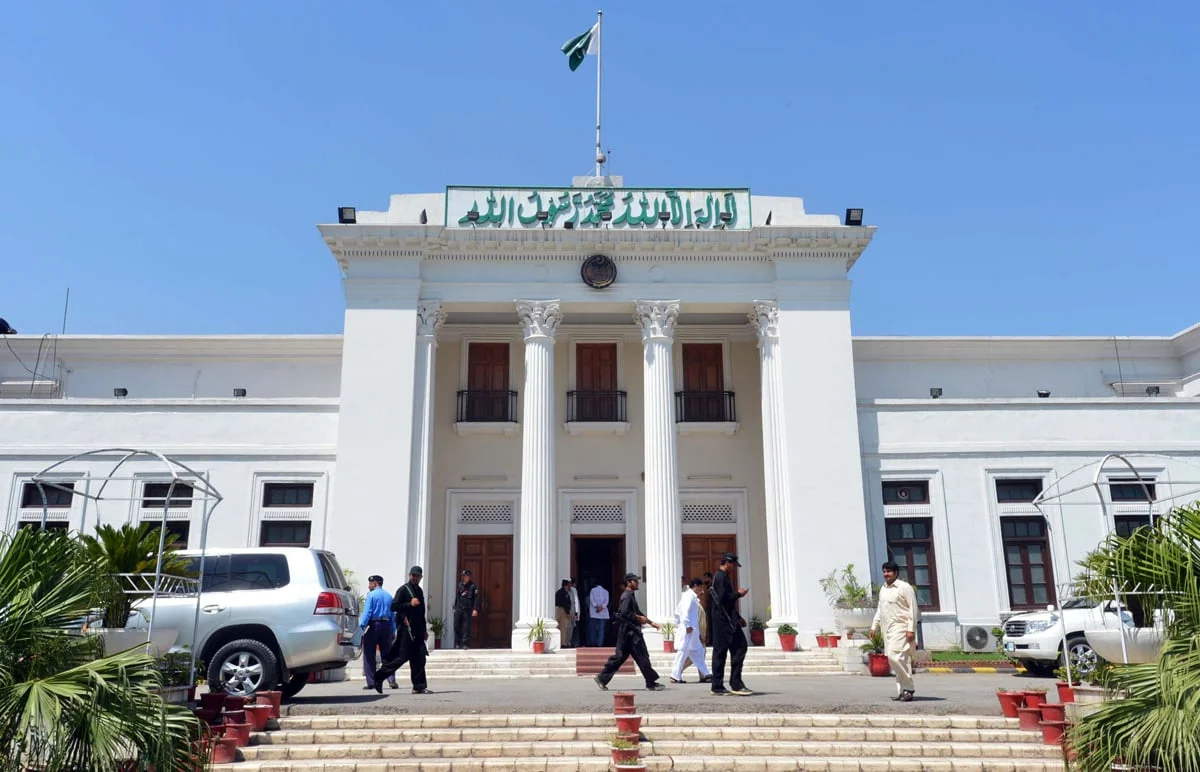
Peshawar, Pakistan: When Pakistan Tehreek-e-Insaf (PTI) took control of Khyber Pakhtunkhwa (KP) in 2013, the party promised a new era of transparent governance, enhanced justice, and accelerated development. However, as the years have unfolded, many of these pledges appear unfulfilled, leaving residents grappling with unresolved issues and unmet expectations.
Education in Crisis: Struggling Universities and Financial Challenges
A major area of concern has been the state of higher education in KP. Several public universities across the province are facing significant financial difficulties, with reports indicating delays in staff salaries and limited resources for operational needs. According to the Higher Education Commission (HEC), funding for universities in KP falls under the provincial government’s jurisdiction following the 18th Amendment, raising questions about the administration’s prioritization of this sector. Despite earlier promises of reform, these institutions remain under financial strain, affecting both the quality of education and faculty welfare.
Security and Governance: A Tarnished Record
Security has also become a key point of contention. Despite the PTI government’s initial emphasis on restoring peace in KP, recent reports suggest the leadership has failed to implement effective measures to address growing concerns about safety. Opposition parties claim that government officials have focused more on political rhetoric rather than actionable policies. Furthermore, accusations have surfaced that certain political figures have encouraged their supporters to challenge state institutions, adding to the instability in the region.
Data from the Global Peace Index (2024) shows a rise in incidents of violence and unrest in KP over the past three years, which undermines claims of improved security under governance of PTI.
Delayed Infrastructure and Financial Mismanagement
Key infrastructure projects, such as the Dir-Chitral Motorway, have faced long delays. Originally touted as a significant development initiative for KP, the project has failed to meet its deadlines, leading to concerns over the government’s ability to execute large-scale infrastructural plans efficiently.
In a similar vein, the Bus Rapid Transit (BRT) project in Peshawar, once expected to revolutionize urban transportation, has been mired in allegations of financial mismanagement. Investigations suggest a misappropriation of approximately Rs. 32 billion, with claims that funds were transferred to foreign accounts, including Dubai and the United States, allegedly to support PTI’s election campaign. While investigations continue, the controversy surrounding the BRT project has raised doubts about the transparency of the provincial administration’s handling of public funds.
KP’s Struggles in the Development Race
As neighboring provinces like Punjab and Sindh roll out innovative projects—such as electric buses, modern hospitals, and comprehensive sanitation schemes—Khyber Pakhtunkhwa has failed to keep pace. Infrastructure, education, and healthcare facilities in KP, especially in Peshawar, remain subpar.
Access to clean water remains an issue, with only 68% of households in the province reporting regular access, according to a 2024 report from the Pakistan Bureau of Statistics. Additionally, healthcare facilities are struggling with limited resources, while educational institutions in the region are failing to meet modern standards. Despite political discourse in the provincial assembly, discussions on tangible issues affecting the public remain few and far between.
Legislative Shortcomings and Growing Debt
Since May 2024, the provincial government has passed just 30 new bills, the majority of which are related to administrative matters or benefits for government employees. Only seven bills directly address public welfare or citizens’ grievances, highlighting a mismatch between the legislative focus and the pressing needs of the population.
The province’s debt has ballooned by 28% over the past year, reaching Rs. 680 billion, according to data from the KP Finance Department. This growing debt burden reflects the government’s ongoing fiscal challenges and raises concerns about the sustainability of its development agenda.
Also See: Imran Khan’s Call For Overseas Pakistanis To Halt Remittances Backfires
Public Sentiment: Discontent and Unmet Expectations
As PTI’s tenure in KP progresses, public sentiment continues to sour. Many residents express frustration over unfulfilled promises, rising economic difficulties, and inadequate governance. For a province that once looked to PTI for transformative change, the reality of governance under the party’s leadership has left many disillusioned.
Despite claims of progress, the people of Khyber Pakhtunkhwa are increasingly questioning the provincial government’s ability to address their concerns. With provincial elections on the horizon, the performance of the PTI-led administration will likely be a decisive factor in the upcoming political landscape.
As political dynamics evolve, the challenges faced by Khyber Pakhtunkhwa continue to shape public discourse. Whether PTI can reverse its fortunes and deliver on its promises remains to be seen.

Your trusted source for insightful journalism. Stay informed with our compelling coverage of global affairs, business, technology, and more.