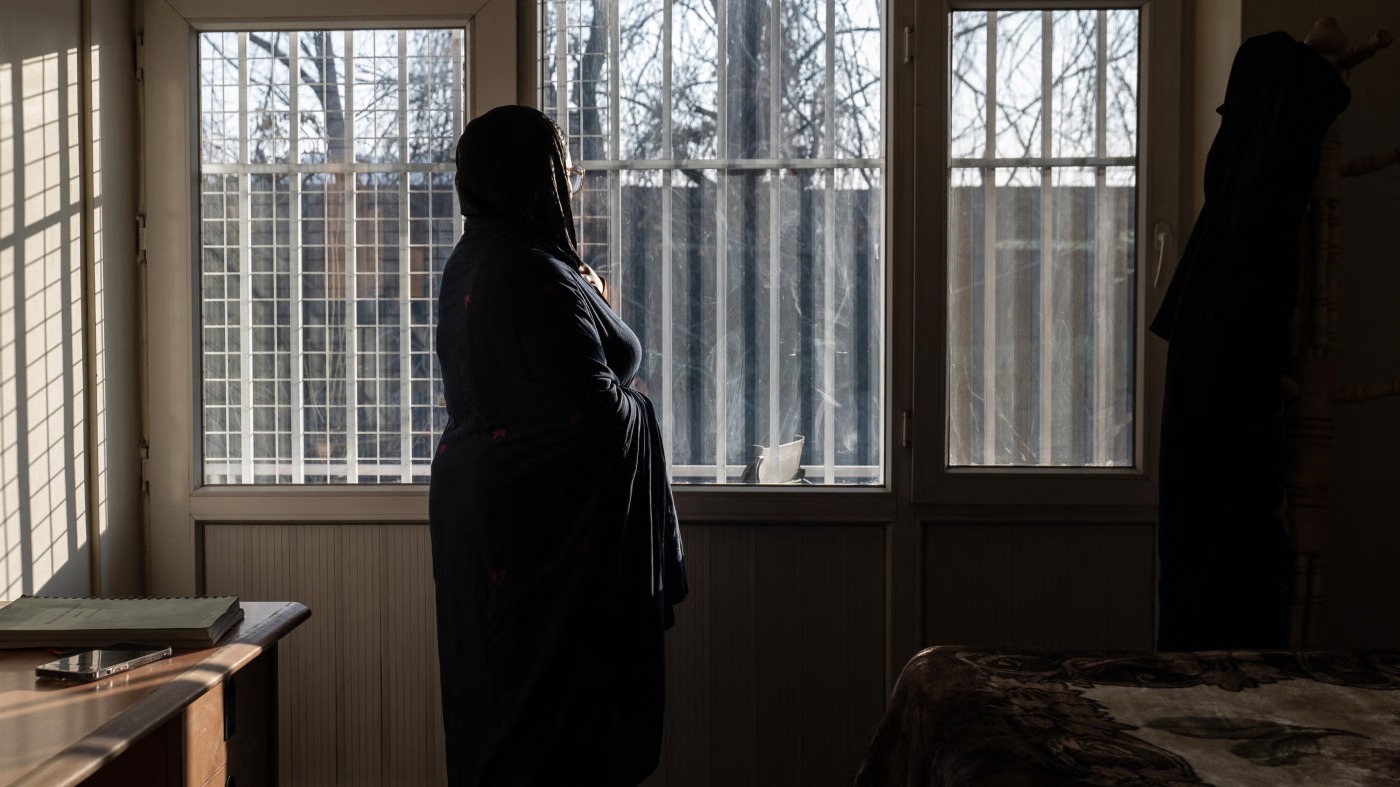
![Bill proposing stricter punishments for rape approved by senate subcommittee, including life imprisonment, fines, and the death penalty. [Image via Superior University]](https://southasiatimes.org/wp-content/uploads/2025/01/LLM-thumb.webp)
ISLAMABAD: A Senate subcommittee has approved a bill proposing stricter punishments for rape, including a minimum of 25 years’ imprisonment and a fine of Rs1 million or the death penalty.
The legislation aims to create harsher deterrents against sexual violence in Pakistan. The meeting of the Senate Standing Committee on Interior’s subcommittee, chaired by Senator Samina Mumtaz Zehri, was held on Tuesday at Parliament House.
The rape bill, approved by the Senate subcommittee, now awaits further deliberation in the full Senate for potential enactment.
The committee reviewed Senator Mohsin Aziz’s amendment to the Code of CrPC, which includes recommendations for increasing penalties for rape.
Senator Aziz proposed that convicted rapists should remain imprisoned for life literally, until their last breath.
Also See: Terrorism, Economics, and Ideology: Pakistan Confronting Fitna Al Khawarij
During the session, it was disclosed that the Islamabad Capital Territory and the Sindh government opposed the bill. Sindh authorities even deemed the proposed punishment “absurd”.
Chairperson Zehri, however, firmly supported the proposed amendments, saying that perpetrators of such heinous crimes must be made an example. “While genuine criminals roam free, police officers often jail individuals who are targeted for financial gain,” she noted.
The committee was briefed by the Special Secretary for the Interior, who noted that although the death penalty existed for rape under current laws, its implementation was restrained due to international agreements and obligations, including those under the GSP status.
This news is sourced from The Express Tribune and is intended for informational purposes only.

Your trusted source for insightful journalism. Stay informed with our compelling coverage of global affairs, business, technology, and more.

![Indian Christian community faces rising violence while Modi congratulates new Jacobite Catholicos in Lebanon. Rights groups sound alarm. [Image via Reuters]](https://southasiatimes.org/wp-content/uploads/2025/03/deccanherald_2025-02-12_8gxoemcr_file7zbn3w0b8kj1egk2eks4.webp)