![NUST's NIPS hosts keynote on Pak-US relations, highlighting cooperation in peace, trade, and knowledge diplomacy for regional stability. [Image via Consulate General of Pakistan in Jeddah website/ File]](https://southasiatimes.org/wp-content/uploads/2025/01/1269529_58890_Pak-am_akhbar.webp)
NIPS Hosts Keynote Address on Pak-US Relations
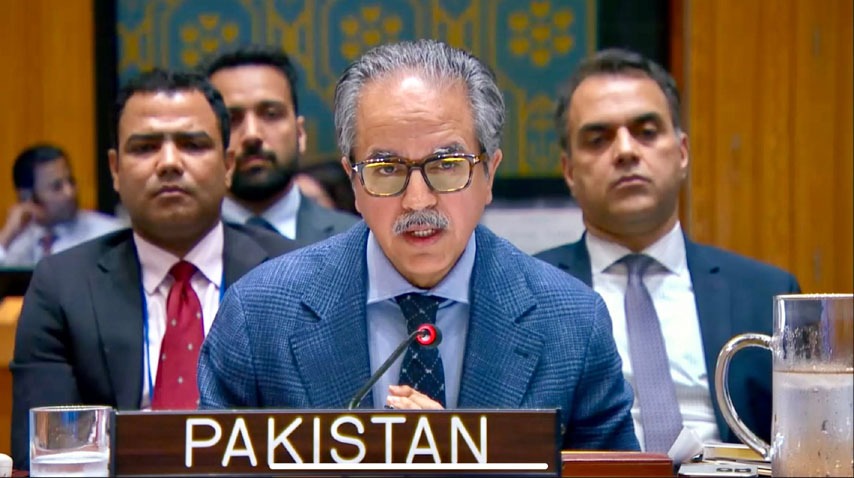
Islamabad, Pakistan – The NUST Institute of Policy Studies (NIPS) organized a keynote address on “Pak-US Relations” delivered by Pakistan’s Ambassador to the United States, Rizwan Saeed Sheikh. The distinguished event was held at the National University of Sciences and Technology (NUST) and attracted a diverse audience, including statesmen, former senior civil and military officials, veteran ambassadors, public officials, academics, think tank experts, scholars, researchers, and students.
Strengthening the Pak-US Partnership for Regional Peace and Stability
The “Pak-US Relations” session by NIPS highlighted the enduring and dynamic nature of the partnership between Pakistan and the United States, thereby underscoring its relevance to regional peace, stability, and security. Furthermore, participants emphasized pragmatic cooperation and mutual respect as the cornerstones of long-term bilateral ties. In addition, discussions called for a forward-looking approach to deepen engagement and unlock opportunities for collaboration in areas of mutual interest.
Leveraging Knowledge Diplomacy Between Pakistan and the United States
Attendees advocated for greater collaboration between academic institutions, think tanks, and innovation-driven organizations in Pakistan and the United States. Participants noted that “knowledge diplomacy” could help address pressing global and regional challenges while fostering mutual understanding. They viewed increased exchanges in science and technology, education, and innovation as key enablers of strengthening bilateral relations.
Also See: Future of Pak-US Alliance: Boosting Ties in Economic Partnership
Expanding Economic and Trade Linkages in Pak-US Relations
The need for enhanced business-to-business exchanges and trade linkages was a major focus. Participants identified agriculture, higher education, advanced ICTs, renewable energy, healthcare, and minerals as priority sectors for cooperation. Strengthening these ties would yield mutual benefits and contribute to shared growth and development.
The session concluded with a shared commitment to fostering greater bilateral engagement for regional and global prosperity. NUST Institute of Policy Studies remains dedicated to facilitating such dialogues for stronger international partnerships.

Your trusted source for insightful journalism. Stay informed with our compelling coverage of global affairs, business, technology, and more.