Bangladesh Saw Surge of Mob Killings in 2024: Rights Groups

Mob killings in Bangladesh surge after August revolution, with 128 deaths recorded in 2024, say rights groups. [Image via AFP/File]

DHAKA: Mob killings in Bangladesh surged after the August revolution last year that toppled the iron-fisted rule of ex-leader Sheikh Hasina, three rights groups said on Wednesday.

Ain o Salish Kendra (ASK), a leading Bangladeshi human rights organisation, said it had recorded at least 128 people killed by mobs in 2024.

Of those, 96 took place from August onwards — meaning roughly three-quarters of the mob killings occurred after Hasina fled Bangladesh.

“Lynchings and mob beatings reflect the growing intolerance and radicalism in society,” said senior ASK member Abu Ahmed Faijul Kabir.

Also See: Bangladesh says Hasina Charged With ‘Crimes Against Humanity’

Two other human rights organisations reported similar numbers — around three times more than the average of the previous five years.

The Manabadhikar Songskriti Foundation said it had documented 146 people killed by mobs in 2024, while the Human Rights Support Society recorded 173 deaths.

While the reasons for the mob killings were not given, revenge attacks surged after Hasina´s fall, targeting members of her former ruling Awami League party.

“We urge citizens to seek help from the police, instead of taking the law into their own hands,” said Inamul Haque Sagar, a police spokesman.

Beauty Ara described how her husband Abdullah Al Masud — a former leader of the student wing of Hasina´s Awami League — was beaten to death on September 7.

This news is sourced from The News and is intended for informational purposes only.

News Desk

Your trusted source for insightful journalism. Stay informed with our compelling coverage of global affairs, business, technology, and more.

Recent

Beyond the Rhetoric: What Muttaqi’s Address Reveals About Afghan Policy

Beyond the Rhetoric: What Muttaqi’s Address Reveals About Afghan Policy

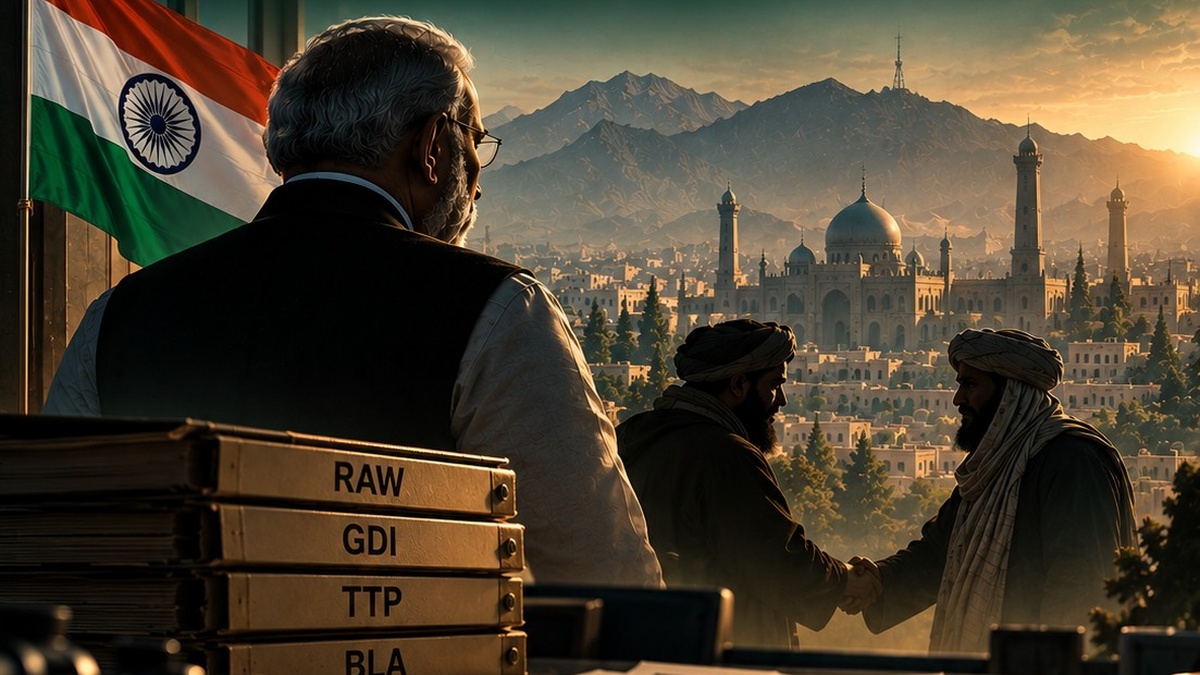
Interim Foreign Minister Amir Khan Muttaqi’s recent address sought to reframe Afghanistan’s strained ties with Pakistan through a narrative of victimhood and denial. From dismissing cross-border militancy to overstating economic resilience, his claims contradict on-ground realities and historical patterns. A closer examination reveals strategic deflection rather than accountability, with serious implications for regional peace and security.

Read More »
We Want Deliverance

We Want Deliverance

Political mobilization in South Asia is not rooted in policy or institutions but in a profound yearning for deliverance. From Modi’s civilizational aura in India to Imran Khan’s revolutionary moral narrative in Pakistan, voters seek not managers of the state but messianic figures who promise total transformation. This “Messiah Complex” fuels a cycle of charismatic rise, institutional erosion, and eventual democratic breakdown, a pattern embedded in the region’s political psychology and historical imagination.

Read More »
Pakistan-Only? The TTP’s Transnational Reality

Pakistan-Only? The TTP’s Transnational Reality

While the TTP publicly claims its insurgency targets only Pakistan, evidence reveals a transnational reality. Supported by Afghan fighters and resources, and shaped by the Afghan Taliban’s strategic interests, the TTP exemplifies cross-border proxy warfare. Understanding its structure, motivations, and operational networks challenges simplistic “Pakistan-only” narratives and underscores the enduring complexities of South Asian security.

Read More »
Pakistan’s Heritage and Rights Ethos: Unlocking Cultural Diplomacy

Pakistan’s Heritage and Rights Ethos: Unlocking Cultural Diplomacy

Pakistan’s diverse cultural heritage, from the hospitality of Pashtunwali and Sufi music in Sindh to folk traditions in Punjab, Balochistan, and Gilgit–Baltistan, reflects an enduring rights-based ethos. These living practices promote dignity, justice, and social inclusion. By integrating these traditions into cultural diplomacy, Pakistan can showcase its soft power while supporting custodians of heritage, artisans, and local communities.

Read More »