Japan Provides Grant to Ensure Free and Fair Polls in Sri Lanka

The government of Japan has announced a grant for the island nation. It is worth a little over 45000 USD, approximately Rs. 8.5 million. The grant falls under its Grant Assistance for Grassroots Human Security Projects (GGP).

Moreover, Japan calls it ‘The Project for Sustaining Democratisation through the Implementation of Free and Fair Election in Sri Lanka.’ Sri Lanka’s upcoming General Elections are on 5th August 2020. The grant has been provided to conduct election monitoring and educate voters.

The Signing

Furthermore, Charge d’ Affairs ad interim of the Embassy of Japan, Kitamura Toshihiro, and Executive Director of the People’s Action for Free and Fair Elections (PAFFREL), Rohana Hettiarachchi, signed the grant contract yesterday.

Formalities took place at the ambassador’s residence in Colombo. Additionally, this project will contribute to encouraging Sri Lankans to exercise their franchise freely and fairly. Amidst the COVID-19 pandemic, the country is has put off polls twice previously. Japan extended its support to PAFFREL to convey its solidarity with Sri Lanka.

What will the grant help with?

PAFFREL is a leading local election monitoring organization. They will initiate election-related activities.

Election observers will be a part of training programs. They will then be at polling and counting stations nationwide. Also, the project will educate voters through multimedia platforms such as TV, new papers, and radio.

Japan hopes this electoral assistance through PAFFREL will have a large outreach and ensure inclusive political participation of all citizens.


News Desk

Your trusted source for insightful journalism. Stay informed with our compelling coverage of global affairs, business, technology, and more.

Recent

Is an Islamic NATO emerging? Pakistan, Turkey, and Saudi Arabia explore a trilateral defense pact reshaping Middle East and South Asian security.

Toward an Islamic NATO?

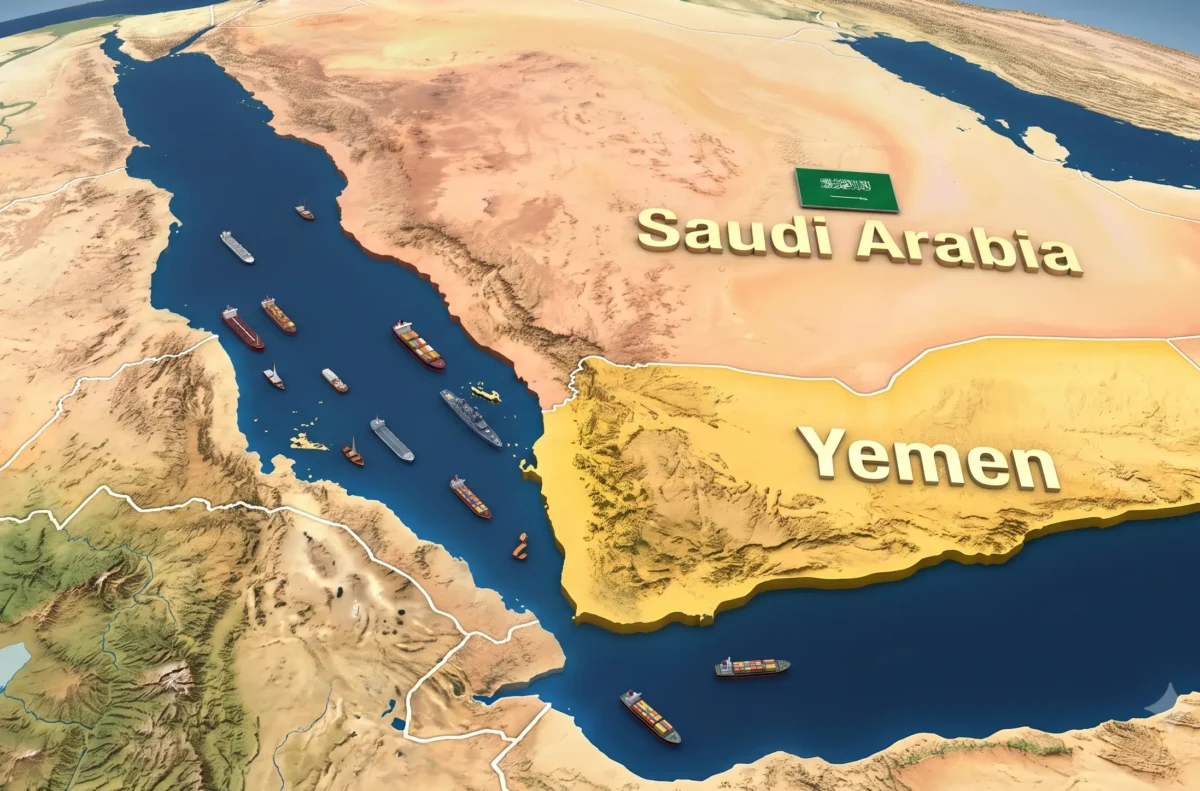
In a rapidly fragmenting global order, Pakistan, Turkey, and Saudi Arabia are exploring a trilateral defense arrangement that could redefine regional security architectures. Often dubbed an Islamic NATO, the proposed pact reflects a broader shift by middle powers toward strategic autonomy as US security guarantees wane. This convergence signals the merging of Middle Eastern and South Asian strategic theaters into a single geopolitical map.

Read More »
Examining how superpower dominance has eroded international law, turning the rules-based order into a tool of hegemony.

The Hegemon’s Gavel

International law was never truly independent. Once the guarantor of the system breaks the rules, the law becomes a tool for power, not principle.

Read More »
Durand Line shifts from frontier to hard border, reshaping jihadist networks, militancy, and Pakistan-Afghanistan’s security landscape.

Militancy, Borderization, and the Politics of a Frontier

The Durand Line’s transformation from a porous frontier to a fenced border is altering militant strategies, funding, and regional security. Jihadist networks like TTP and IS-K are adapting to these changes while local populations face social and economic pressures.

Read More »