Pakistan\’s peace gesture towards India
Pakistan doesn’t agree with Indian policies on many fronts, given the fact that India doesn’t prioritize maintaining healthy ties with its neighbors. Parliamentary Secretary for Foreign Affairs Andleeb Abbas, while addressing the National assembly expressed similar concerns. Pakistan opened the Kartar Pur corridor as a peace gesture after India’s unjustifiable breach of national security at Balakot. However, the neighbor doesn’t seem to reciprocate in a similar manner.
Furthermore, she added that Pakistan is willing to resolve the tension. However, it’s essential India comply with the intention. Creating an enabling environment accordingly.
The biggest Aggressor
Pakistan has successfully maintained good ties with Afghanistan and Iran despite India’s effort to disrupt the process. Moreover, the Parliamentary Secretary called out India for being the “biggest aggressor” in the region. Hence suffered from isolation. While Pakistan has recently opened its borders to Afghanistan under APTTA. This has led to a 25% surge in trade with the neighboring country, she says.
Road Projects
Additionally, the Minister of Communication, Murad Saeed briefed the house over road infrastructure projects. Five Major road projects, measuring 1700 kilometers, under public-private partnerships are up for execution. Presently, the construction of the western route of China-Pakistan Economic Corridor (CPEC) is top- a priority for the government, he said.
Construction
Alternatively, the minister spoke about the metro bus project from Peshawar Mor to the new airport Islamabad being 95% complete. The rest of the work, worth the revised cost of $13 billion will be complete next month.
Petroleum
Similarly, the Parliamentary Secretary for Petroleum Khial Zaman claimed no shortage of petroleum products in the country. Prices are being revised on the back of rising trend in the international market. “We are also working with oil market companies to enhance the storage capacity of petroleum products,” he said.
Power Sector
Minister for Power Omer Ayub presented the Flotation and Control (Amendment) Bill, 2020 to the house.
Agriculture
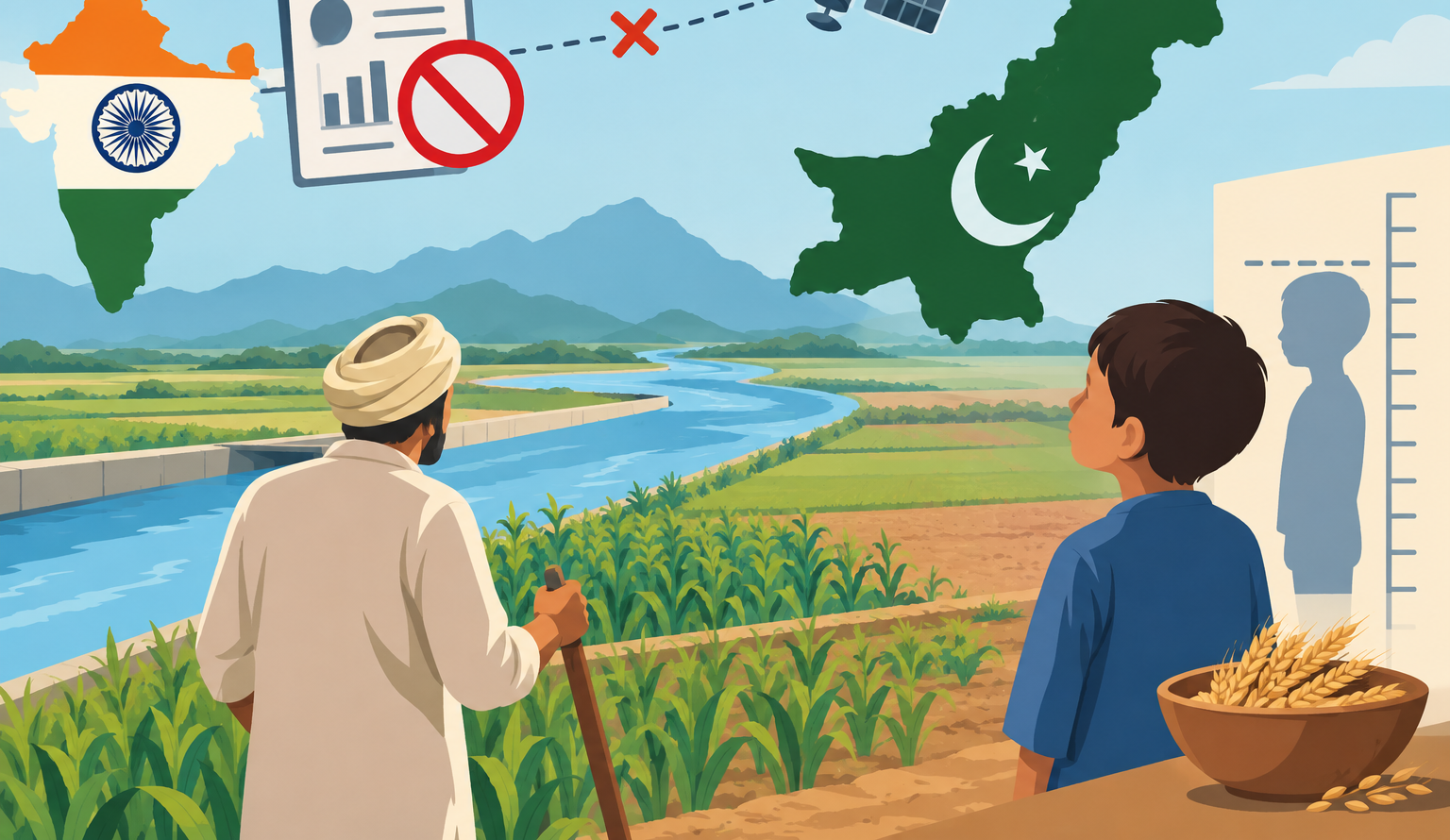
Also, the government plans on providing quality seeds to farmers. Thus, aiming to improve per acre yield of major crops (cotton and wheat). According to Minister for National Food Security and Research Syed Fakhar Imam. Further, he said that the enhancement of agriculture products will also enhance exports. The provincial government will be taken aboard over distributing approved seeds for use.
Similarly, in an approved package for the agriculture sector, the government has promised on providing subsidized fertilizers and power to the farmers, the minister said. The price of wheat has decreased in Punjab by the facilitation of the provincial government. Also, the private sector is allowed to import wheat as per government directives.

Your trusted source for insightful journalism. Stay informed with our compelling coverage of global affairs, business, technology, and more.