RDMC Selects 18 Graduates from Balochistan for Training Program

RDMC has selected 18 graduates from Balochistan for an international training program in mining operations abroad.

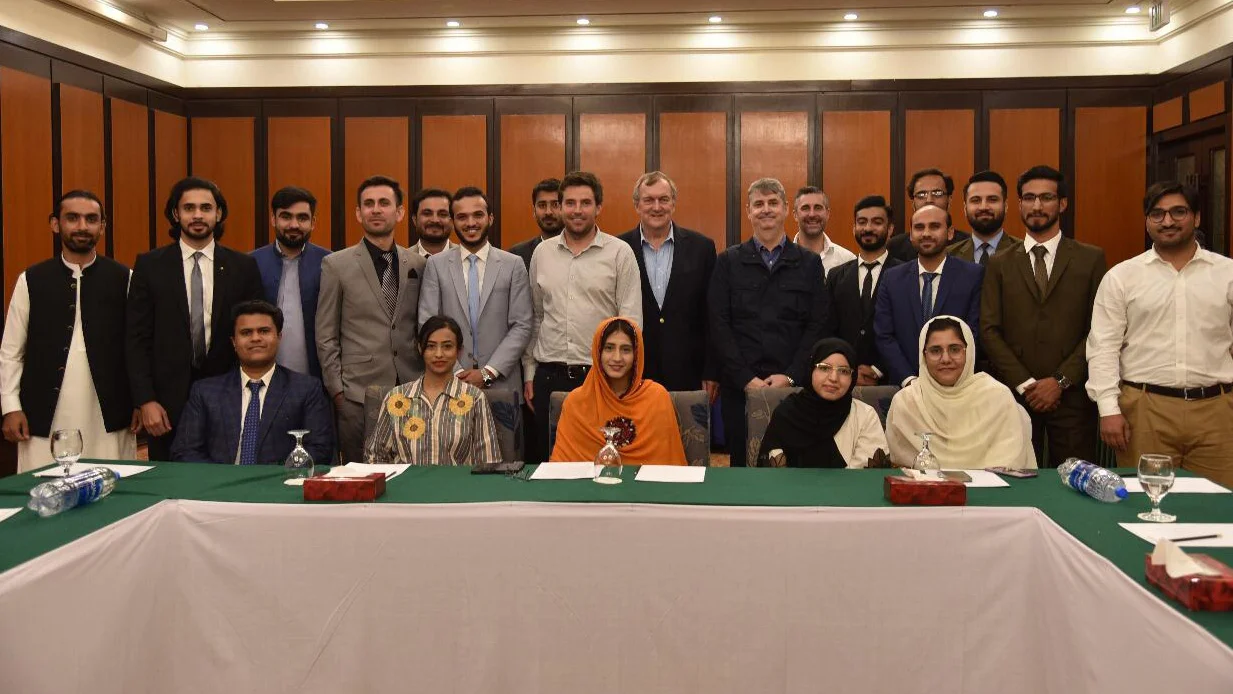
QUETTA: The Reko Diq Mining Company (RDMC) has selected 18 graduates from Balochistan. As a result, they will participate in a two-year on-job training program, as stated by the company.

The company selected the cohort as part of its International Graduate Development Program (IGP). Subsequently, they will receive training at the mines operated by Barrick, the parent company of RDMC. Furthermore, this training will take place in Argentina and Zambia.

Barrick CEO Mark Bristow welcomed the graduates at a ceremony in Karachi. He said the program aimed to engage young graduates from Balochistan. The goal is to equip them with the necessary skills for successful careers in the mining industry.

“I would urge you to embrace this opportunity to learn, collaborate and shape the future of the Reko Diq project, your province and the country.”

Also See: South Asian Talent Granted Saudi Citizenship

The Second Batch of Applicants

For the programme’s second cohort in 2024, the company received over 3,000 applicants. The 18 selected graduates hailed from different districts in Balochistan. These districts include Panjgur, Gwadar, Quetta, Loralai, Khuzdar, Noshki, Musa Khel, Qila Saifullah, Zhob, and Chagai. Reko Diq is working on a mining operation in the Chagai district.

The graduates hold degrees in various fields, including Electrical Engineering, Mechanical Engineering, Geological Engineering, Civil Engineering, Enviro­n­mental Sciences, Mining Engineering, and Geology.

“This hands-on experience is designed to equip them with practical skills and insights into world-class mining operations,” the statement said.

Their participation in the programme not only helps to address the regional skills gap but also promotes local empowerment and economic development.

“Barrick’s philosophy emphasizes the importance of creating shared value for local communities,” the statement said, adding that the company aimed to invest in local talent for “a lasting impact in the regions where it operates”.

This news is sourced from Dawn News and is intended for informational purposes only.

News Desk

Your trusted source for insightful journalism. Stay informed with our compelling coverage of global affairs, business, technology, and more.


Recent

A critical analysis of Drop Site News’ report alleging a UK–Pakistan “swap deal,” exposing its reliance on anonymous sources, partisan framing, and legally impossible claims.

Anonymous Sources, Big Claims, Thin Ground

A recent Drop Site News report claims a covert UK–Pakistan exchange of convicted sex offenders for political dissidents. But a closer look shows the story rests on hearsay, anonymous insiders, and a narrative shaped more by partisan loyalties than evidence. From misrepresenting legally declared propagandists as persecuted critics to ignoring the legal impossibility of such a swap, this report illustrates how modern journalism can slip into activism. When sensational claims outrun facts and legality, credibility collapses, and so does the line between holding power accountable and manufacturing a story.

Read More »
A sharp critique of Zabihullah Mujahid’s recent evasive remarks on the TTP, exposing Taliban hypocrisy and Afghan complicity in cross-border militancy.

Zabihullah Mujahid’s Bizarre Statement on TTP: A Lesson in Hypocrisy and Evasion

Zabihullah Mujahid’s recent statement dismissing the TTP as Pakistan’s “internal issue” and claiming Pashto lacks the word “terrorist” is a glaring act of evasion. By downplaying a UN-listed militant group hosted on Afghan soil, the Taliban spokesperson attempts to deflect responsibility, despite overwhelming evidence of TTP sanctuaries, leadership, and operations in Afghanistan. His remarks reveal not linguistic nuance, but calculated hypocrisy and political convenience.

Read More »
Beyond the Rhetoric: What Muttaqi’s Address Reveals About Afghan Policy

Beyond the Rhetoric: What Muttaqi’s Address Reveals About Afghan Policy

Interim Foreign Minister Amir Khan Muttaqi’s recent address sought to reframe Afghanistan’s strained ties with Pakistan through a narrative of victimhood and denial. From dismissing cross-border militancy to overstating economic resilience, his claims contradict on-ground realities and historical patterns. A closer examination reveals strategic deflection rather than accountability, with serious implications for regional peace and security.

Read More »
We Want Deliverance

We Want Deliverance

Political mobilization in South Asia is not rooted in policy or institutions but in a profound yearning for deliverance. From Modi’s civilizational aura in India to Imran Khan’s revolutionary moral narrative in Pakistan, voters seek not managers of the state but messianic figures who promise total transformation. This “Messiah Complex” fuels a cycle of charismatic rise, institutional erosion, and eventual democratic breakdown, a pattern embedded in the region’s political psychology and historical imagination.

Read More »