ANF Seizes 78 kg of Drugs Nationwide

The Anti-Narcotics Force (ANF) has recovered 85 kg of drugs valued at Rs. 25 million and arrested 11 suspects.

RAWALPINDI, Aug 18 (APP): The Anti-Narcotics Force (ANF) conducted eight operations across the country. They recovered 78 kg of drugs and arrested nine accused individuals. This information was shared by an ANF Headquarters spokesman.

ANF recovered 2.8 kg of ice from two passengers at Islamabad Airport. The passengers were traveling to Saudi Arabia and Bahrain.

In two different operations near M-1 Islamabad, authorities recovered 40.8 kg of hashish and 2.4 kg of opium. They also rounded up two accused individuals.

Authorities recovered 14.4 kg of hashish from two suspects near Shahrah Wali, Karachi. They also recovered 8.4 kg of hashish from a motorcyclist in Sato Katla village near Lahore.

Authorities recovered 6 kg of hashish and 1.2 kg of opium from an accused in Sector G-15, Islamabad.

They recovered 2.2 kg of hashish from an accused arrested in Sialkot.

They have registered cases under the Anti-Narcotics Act against all arrested individuals, and they are conducting further investigations.

This news is sourced from APP and is intended for informational purposes only.

News Desk

Your trusted source for insightful journalism. Stay informed with our compelling coverage of global affairs, business, technology, and more.


Recent

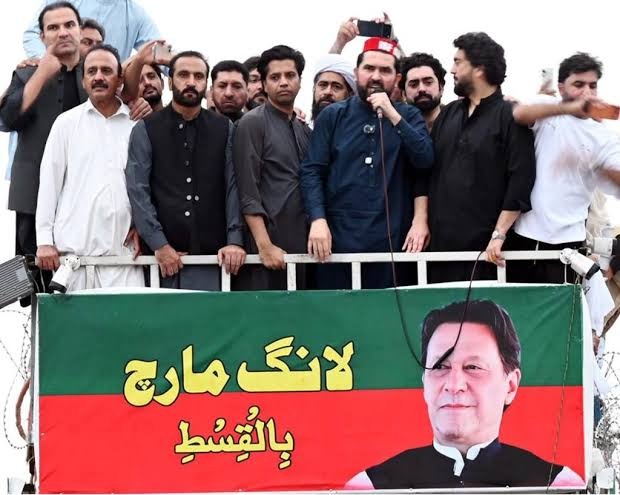
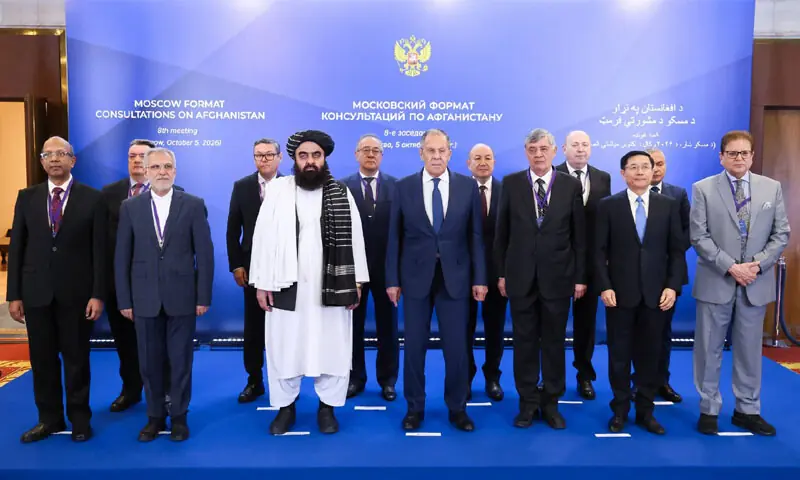
A deep dive into how the Afghan Taliban weaponises anti-Pakistan rhetoric to mask governance failures, rising poverty, and Afghanistan’s growing security meltdown.

The Politics of Blame

Afghanistan’s leadership has responded to recent international backlash by amplifying a narrative that frames Pakistan as the root of all Afghan crises. This rhetoric, pushed by senior Taliban officials, serves as a diversion from Kabul’s own administrative paralysis, economic collapse, and its complicity in enabling militant groups like the TTP. As poverty deepens and Afghanistan becomes a hub for dozens of terrorist outfits, the politics of blame has become the Taliban’s primary tool for deflecting scrutiny.

Read More »
Sanctuary and Sovereignty: The Tribal Ethics Behind the Pakistan–Taliban Rift

Sanctuary and Sovereignty: The Tribal Ethics Behind the Pakistan–Taliban Rift

The piece analyzes the Pakistan–Taliban rift through the lens of Pashtunwali, highlighting how Kabul’s sheltering of the TTP and its revival of Durand Line irredentism conflict with the tribal code’s principles of hospitality, sanctuary, and reciprocity. These choices undermine decades of Pakistani support and have transformed a historically interdependent relationship into one marked by distrust and hostility.

Read More »