South Asia has always seen inspiring individuals coming to the forefront to provide solutions to some of the most vital social issues that plague the region. The innovation, resilience, and initiative shown by young entrepreneurs to harness the power of technology in coming up with new ideas for age-old problems speak volumes about the talent found there.
Following such a productive landscape, Google announces the start of Google for Startups Accelerator: Southeast Asia. An initiative by the tech giant to support the local technology sector found in this part of the world. This three-month online accelerator program is ideal for high potential, early-stage tech startups across the Southeast Asia region (Indonesia, Singapore, Malaysia, Thailand, Vietnam, and the Philippines) and Pakistan. This year, they are looking particularly for startups who are solving the challenges we face today: whether that’s startups looking at new healthcare, education, finance or logistics solutions in light of social distancing restrictions; using AI, ML or data analysis in meaningful ways; or using technology to make the world more inclusive for the elderly or people with disabilities.
Participating startups receive deep mentorship on both technical and business challenges as well as connections to relevant teams from across Google and its network of industry partners. In addition to mentorship and technical project support, the accelerator also includes deep dives and workshops focused on product design, customer acquisition, and leadership development for founders.
Applications are now open through July 19th, 2020 for startups across Southeast Asia (Indonesia, Singapore, Malaysia, Thailand, Vietnam, and the Philippines) and also in Pakistan.
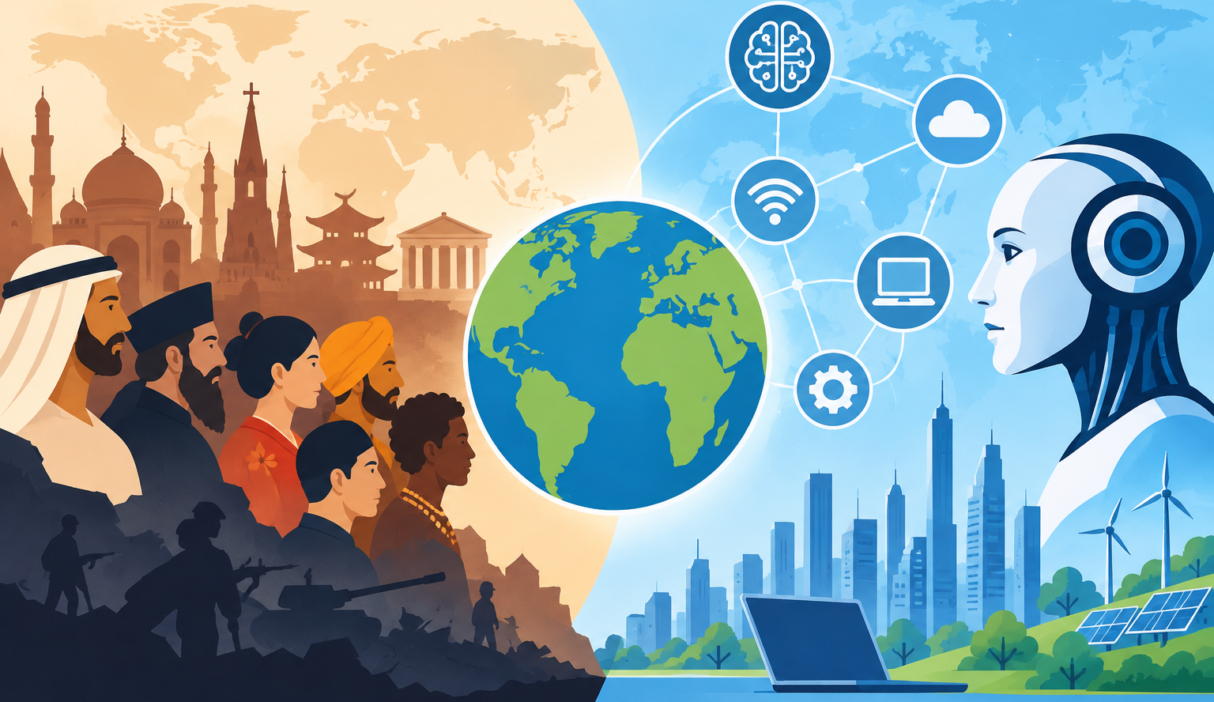
The coronavirus has reshaped the way we view and participate in the world. A challenging new world waits for us once lockdowns start to ease around the world. Pakistan should embrace opportunities like this to grow through these difficult times with the world. Technology is a vital new factor of production in today’s modern world and to create a better, more inclusive, and participative Pakistan of tomorrow, we must leverage and optimize the skillet of our people today.

Mishaal Mariam Moeen, an author and mixed media artist, expresses her creativity through written words and visual art forms.