Oil cuts between OPEC+ countries extend recovery for major Gulf stocks

Oil cuts between OPEC+ countries extend recovery for major Gulf stocks

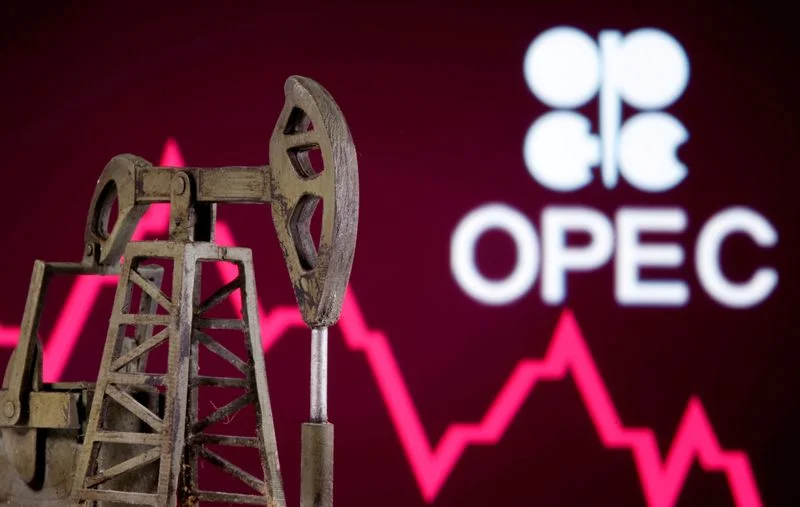
Around the world, major stock markets have responded positively to the oil cuts agreed upon by
major OPEC and non-OPEC oil producers until late July. Countries like Nigeria and Iraq have
been asked to cut production by OPEC and other oil-producing countries, primarily led by
Russia, known as OPEC+. The organization, OPEC+ had planned to cut production by 9.7
barrels per day (BPD) by May and June and then from July till September the cut would be
reduced to 7.7 million (BPD).

All of these oil cuts have led to an increase in the benchmark stock index of Saudi Arabia,
which has witnessed an increase of 0.9%. The Saudi oil behemoth, Armarco, also witnessed a
rise of 0.8%.

Dubai also witnessed an increase in its index by 2.3%, which was primarily led by Dubai Islamic
bank as it rose by 5.4%, whereas Emaar Properties saw a gain of 3.1% in the same time frame as
well.

The first Abu Dhabi Bank increased by 2.4% which led an overall recovery for Abu Dhabi by
1.3%.

Moreover, Qatar, the shining bright light of the Middle East also witnessed a climb in their
index by 1.4%, with most of their components leaning towards a positive outlook. Qatar
Islamic Bank rose by 2.5% and the petrochemicals maker Industries Qatar was also up by 2.9%
All of these indicators are viewed positively by the market, however, their sustainability hinges
on the long term prospect of oil cut agreement between OPEC+ countries. Though up till now it
is not clear whether Saudi Arabia, Kuwait, and the United Arab Emirates would extend their
voluntary cuts beyond June, these cuts are approximately 1.18 million BPD, which are originally
not part of the deal.

Also See: The Bulls and Bears Of Oil Demand

News Desk

Your trusted source for insightful journalism. Stay informed with our compelling coverage of global affairs, business, technology, and more.

Recent

A critical analysis of Drop Site News’ report alleging a UK–Pakistan “swap deal,” exposing its reliance on anonymous sources, partisan framing, and legally impossible claims.

Anonymous Sources, Big Claims, Thin Ground

A recent Drop Site News report claims a covert UK–Pakistan exchange of convicted sex offenders for political dissidents. But a closer look shows the story rests on hearsay, anonymous insiders, and a narrative shaped more by partisan loyalties than evidence. From misrepresenting legally declared propagandists as persecuted critics to ignoring the legal impossibility of such a swap, this report illustrates how modern journalism can slip into activism. When sensational claims outrun facts and legality, credibility collapses, and so does the line between holding power accountable and manufacturing a story.

Read More »
A sharp critique of Zabihullah Mujahid’s recent evasive remarks on the TTP, exposing Taliban hypocrisy and Afghan complicity in cross-border militancy.

Zabihullah Mujahid’s Bizarre Statement on TTP: A Lesson in Hypocrisy and Evasion

Zabihullah Mujahid’s recent statement dismissing the TTP as Pakistan’s “internal issue” and claiming Pashto lacks the word “terrorist” is a glaring act of evasion. By downplaying a UN-listed militant group hosted on Afghan soil, the Taliban spokesperson attempts to deflect responsibility, despite overwhelming evidence of TTP sanctuaries, leadership, and operations in Afghanistan. His remarks reveal not linguistic nuance, but calculated hypocrisy and political convenience.

Read More »
Beyond the Rhetoric: What Muttaqi’s Address Reveals About Afghan Policy

Beyond the Rhetoric: What Muttaqi’s Address Reveals About Afghan Policy

Interim Foreign Minister Amir Khan Muttaqi’s recent address sought to reframe Afghanistan’s strained ties with Pakistan through a narrative of victimhood and denial. From dismissing cross-border militancy to overstating economic resilience, his claims contradict on-ground realities and historical patterns. A closer examination reveals strategic deflection rather than accountability, with serious implications for regional peace and security.

Read More »
We Want Deliverance

We Want Deliverance

Political mobilization in South Asia is not rooted in policy or institutions but in a profound yearning for deliverance. From Modi’s civilizational aura in India to Imran Khan’s revolutionary moral narrative in Pakistan, voters seek not managers of the state but messianic figures who promise total transformation. This “Messiah Complex” fuels a cycle of charismatic rise, institutional erosion, and eventual democratic breakdown, a pattern embedded in the region’s political psychology and historical imagination.

Read More »