
Afghanistan under the Taliban: Law, Power, and Systemic Inequality
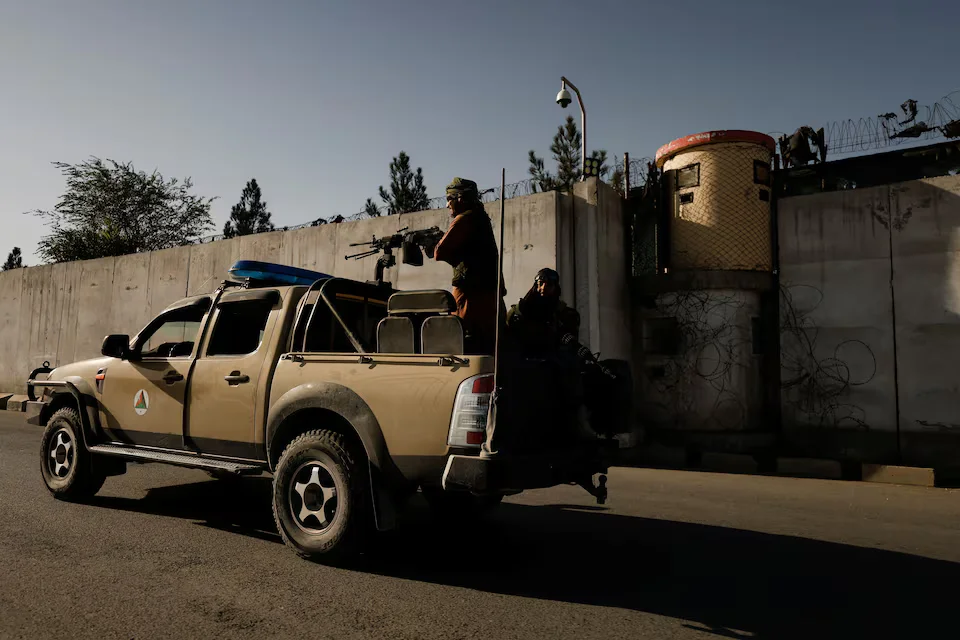
The Taliban’s criminal procedure code institutionalizes gender and ethnic discrimination, suppresses dissent, and replaces accountability with status-based authority, marking a profound regression from Afghanistan’s legal and social norms.
Pakistan’s Urbanization Problem
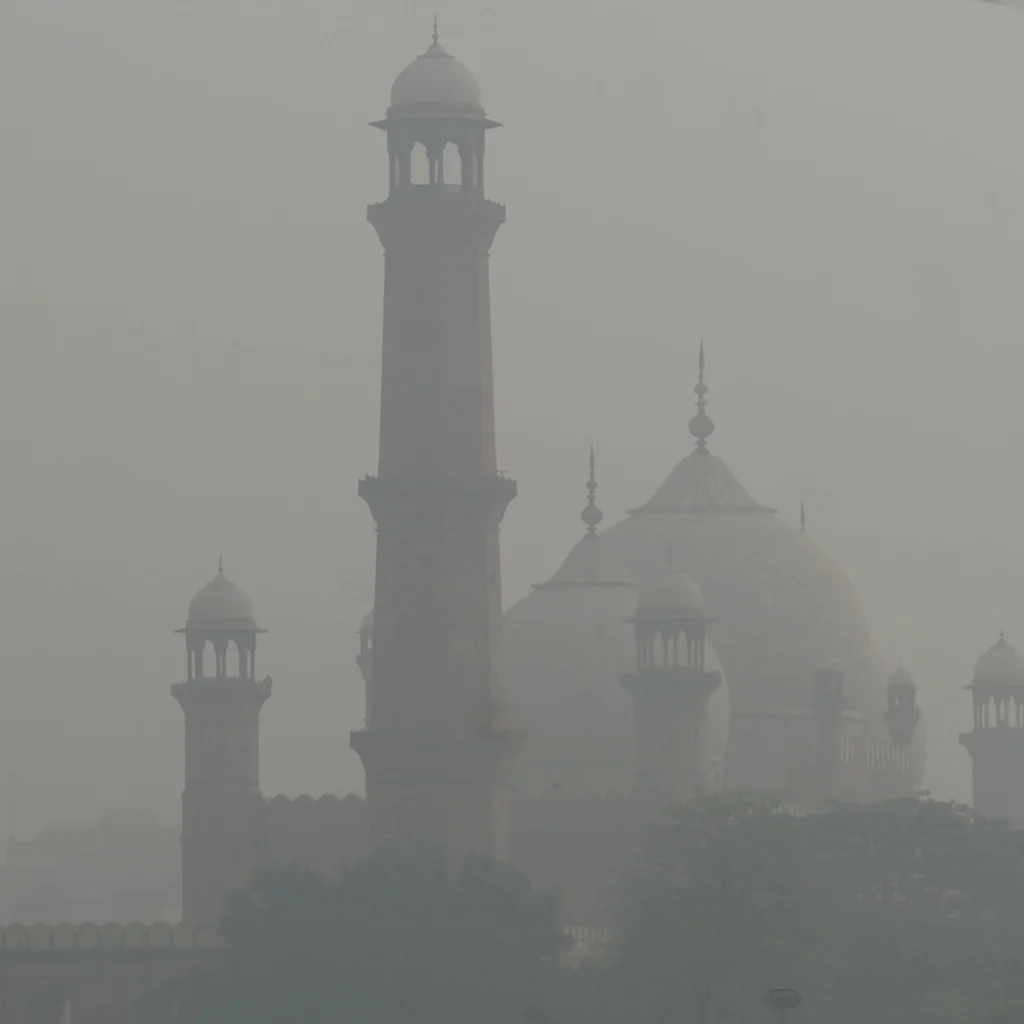
Pakistan’s urbanization is not a development story but a warning. Hyper-concentration in three metros is hollowing out the economy, ecology, and state capacity.
Pakistan, Gaza, and the Case for Realist-Humanitarian Diplomacy
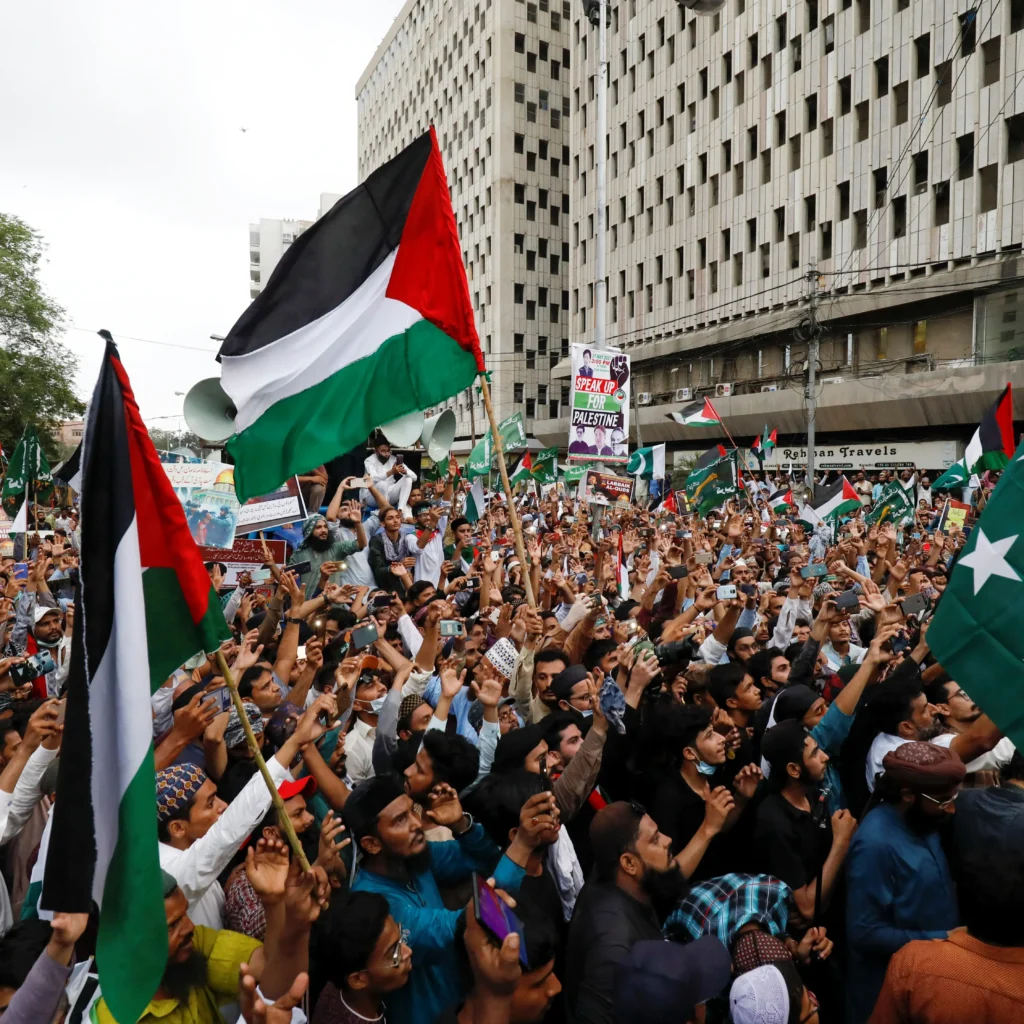
As Gaza endures a prolonged humanitarian catastrophe, Pakistan’s decision to engage with the Board of Peace reflects a calculated shift from symbolic diplomacy to realist-humanitarianism. Rather than retreating into moral posturing, Islamabad has chosen presence as leverage, seeking to shape aid delivery, protect Palestinian priorities, and influence outcomes from within imperfect multilateral structures.
The Asymmetry at the Heart of the EU–India FTA

The EU–India FTA risks being unequal, as India cuts tariffs while Europe retains key advantages. It may deepen dependence instead of strengthening India’s industrial growth.