
Deconstructing the Pakistan-Afghanistan Economic Crisis
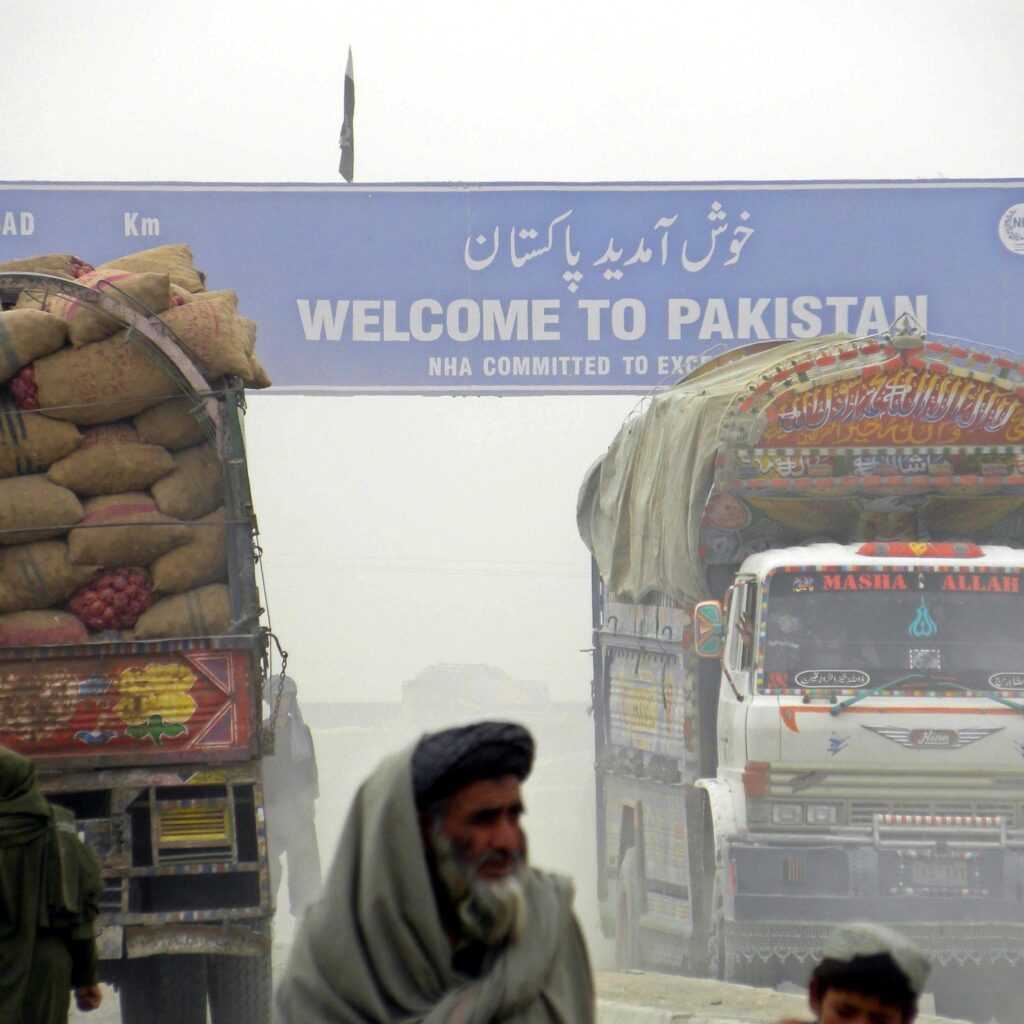
The Pakistan-Afghanistan trade freeze is widely framed as a punitive economic move, yet its roots lie in a severe security breakdown emanating from Afghan territory. Pakistan’s transit closures are reactive, not aggressive, and Afghanistan’s deep logistical dependence on Pakistani routes exposes the crisis as geopolitical, not commercial.
Criminalising Dissent: How New Laws and “Public Order” Politics Are Shrinking Democratic Space in India
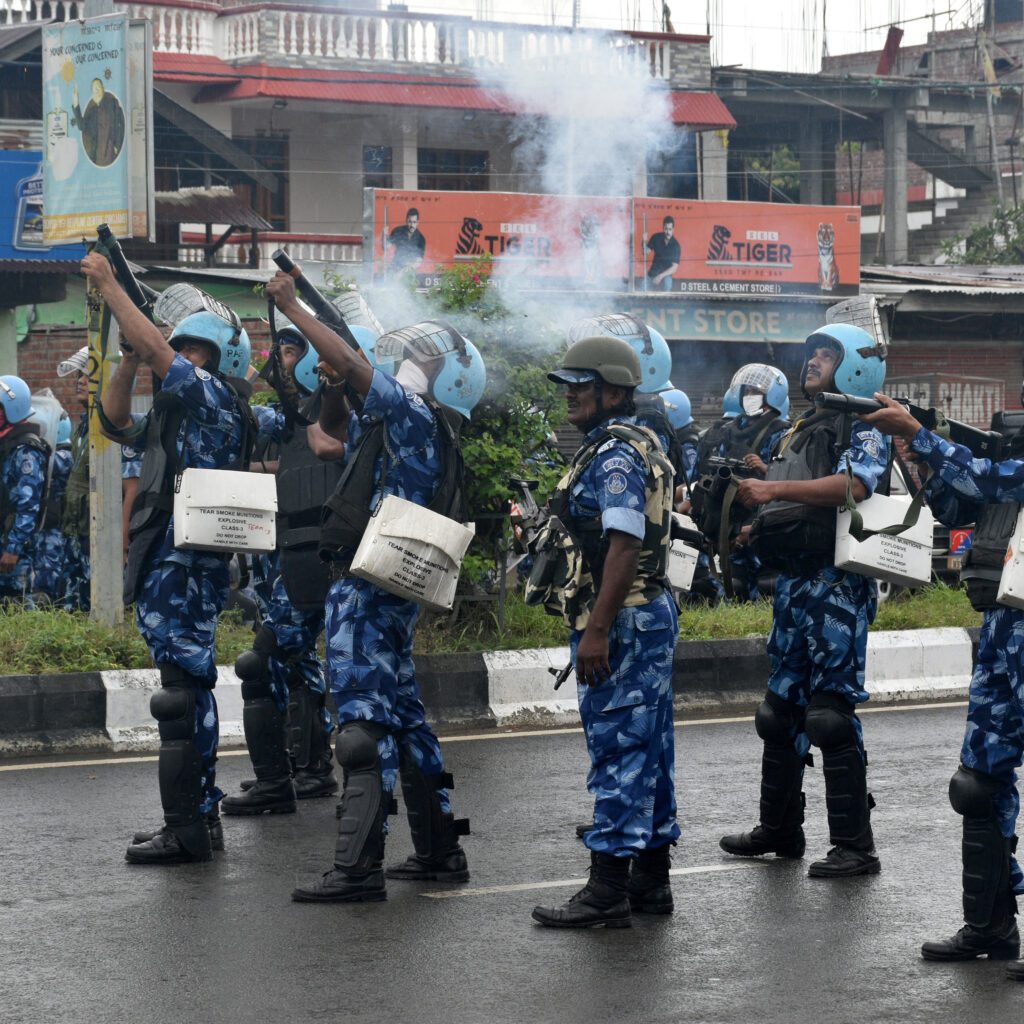
India is witnessing a steady erosion of democratic freedoms as broad security laws, digital surveillance, and administrative restrictions redefine dissent as a threat rather than a constitutional right. From expanded use of UAPA and IT Rules to routine protest crackdowns and shrinking academic space, the cumulative impact is a quieter and increasingly constrained civic sphere.
The Taliban’s Gamble with Afghan Healthcare
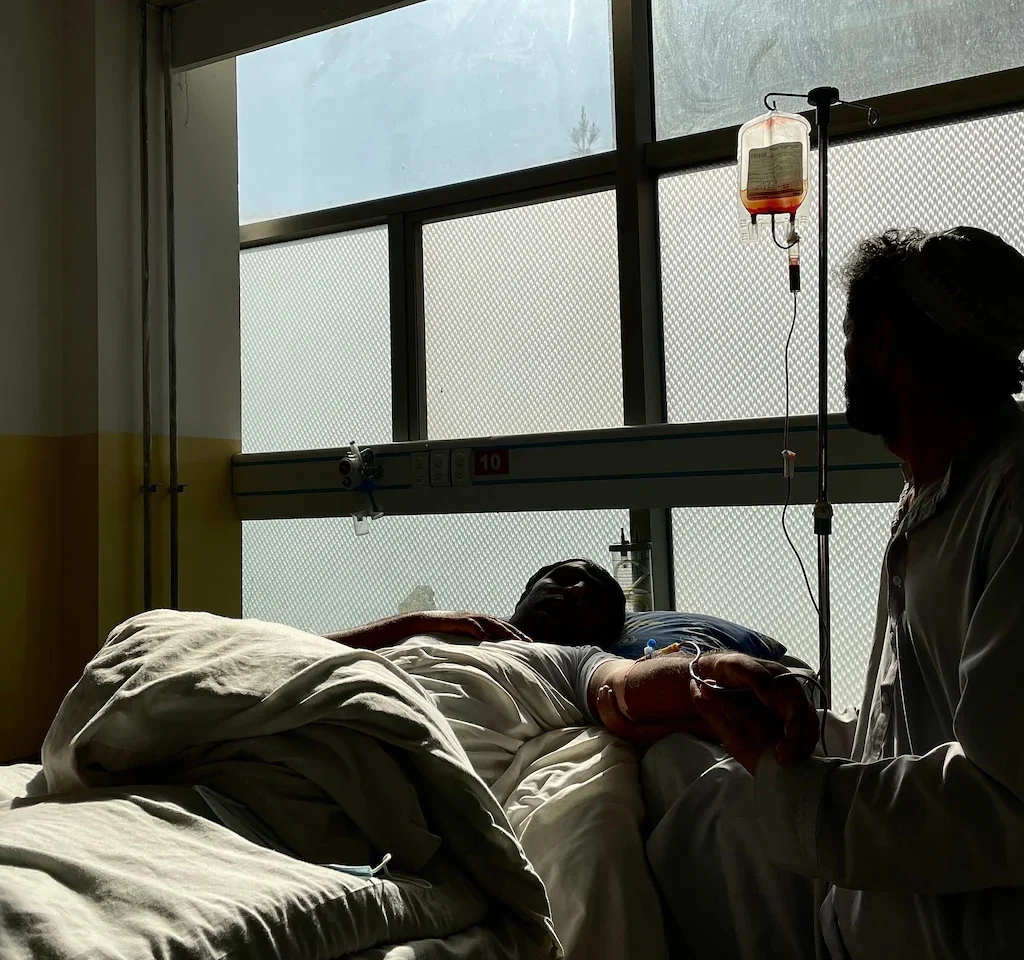
The Taliban’s ban on Pakistani pharmaceutical imports is pushing Afghanistan toward a severe drug shortage. Driven by ideological ties to the TTP and escalating border tensions with Pakistan, this political maneuver threatens public health, inflates medicine costs, and leaves ordinary Afghans to bear the consequences of a crisis rooted in strategic posturing rather than market forces or natural disaster.
The Politicization of Universal Human Rights in Contemporary Power Politics
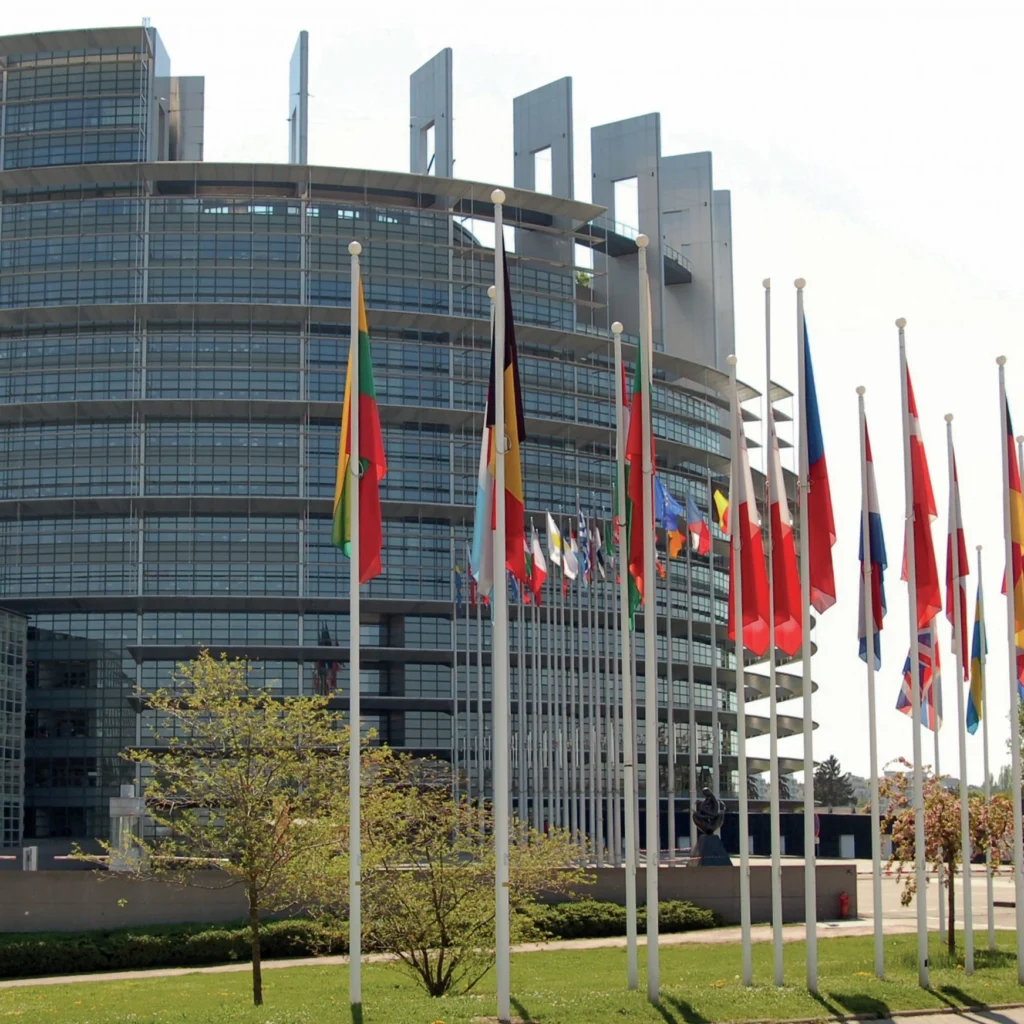
Universal human rights are increasingly politicized, with Western powers prioritizing strategic interests over moral consistency. This analysis traces historical precedents, selective enforcement, and emerging non-Western challenges that reveal the fragility of global human rights norms.