
A New Afghanistan, Old Methods
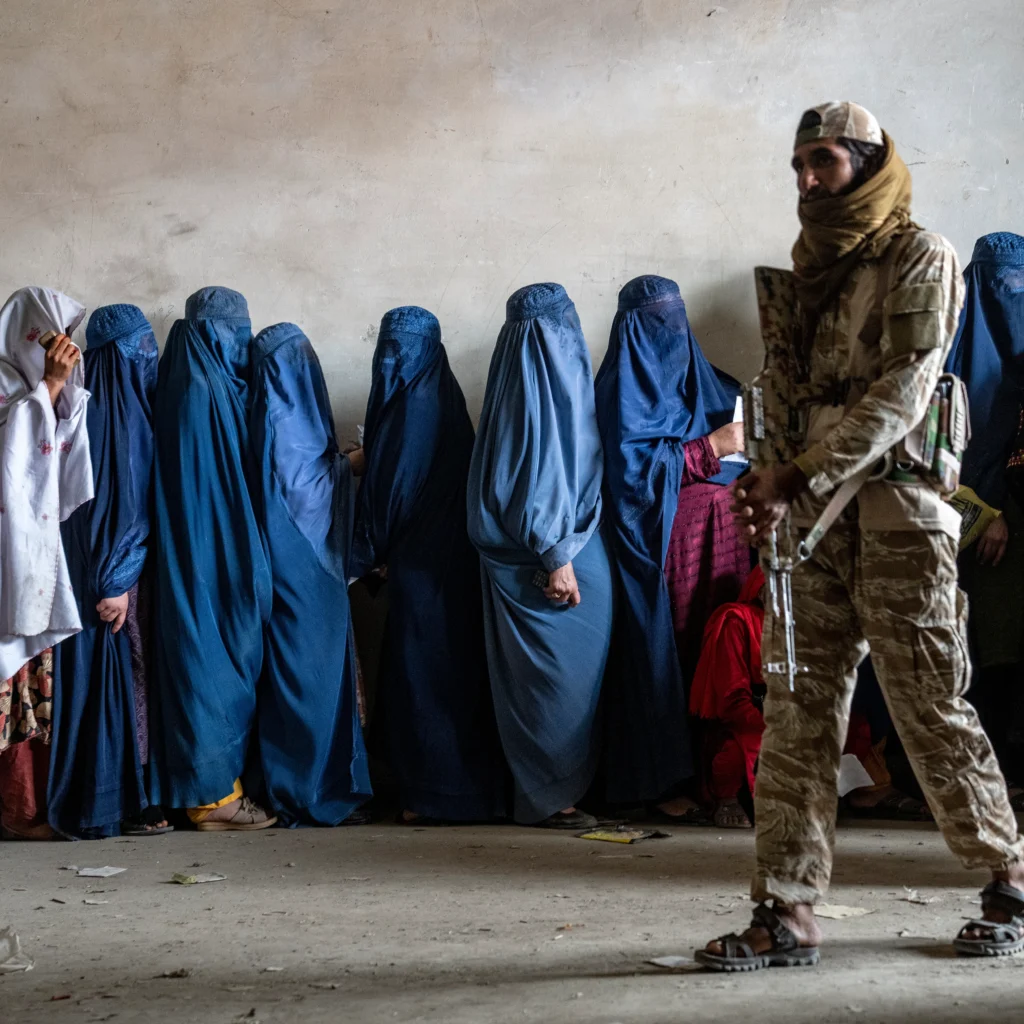
The Taliban’s 2021 promise of a general amnesty has collapsed into systematic arrests, disappearances, and killings—especially in Panjshir. Despite assurances of moderation, evidence from 2021–2025 shows a deliberate campaign to eliminate former officials, suppress dissent, and rule through fear, mirroring the Taliban’s historical patterns of coercion and violence.
Oil, Ports, and Proxies: The Battle for Hadhramawt and the Red Sea
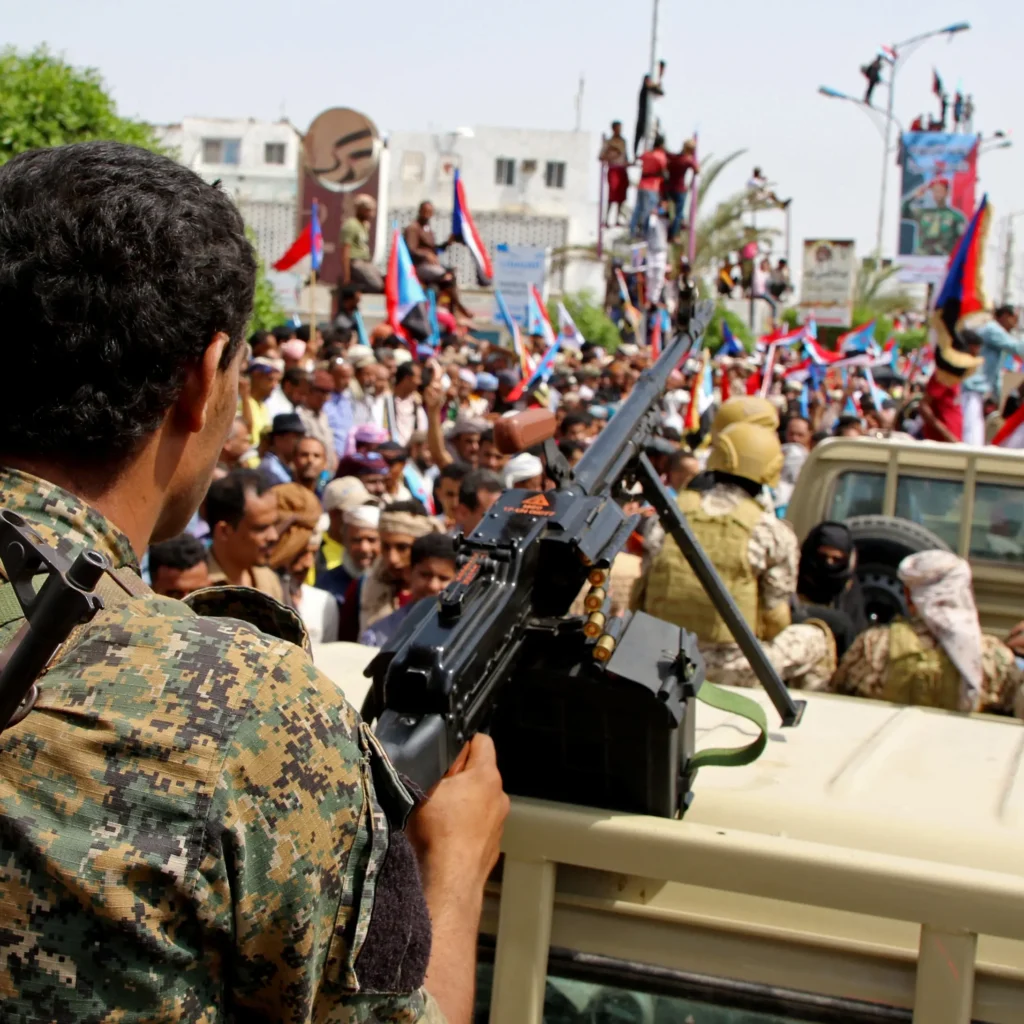
The expulsion of Saudi-backed forces from Hadhramawt by UAE-aligned proxies signals the collapse of the Riyadh-Abu Dhabi alliance. In Yemen and Sudan, Abu Dhabi leverages non-state actors to secure ports, resources, and influence, while Riyadh prioritizes state stability and territorial consolidation. The result: a regional realignment where Gulf unity gives way to fierce intra-Gulf competition.
India’s Coercive Foreign Policy in 2025
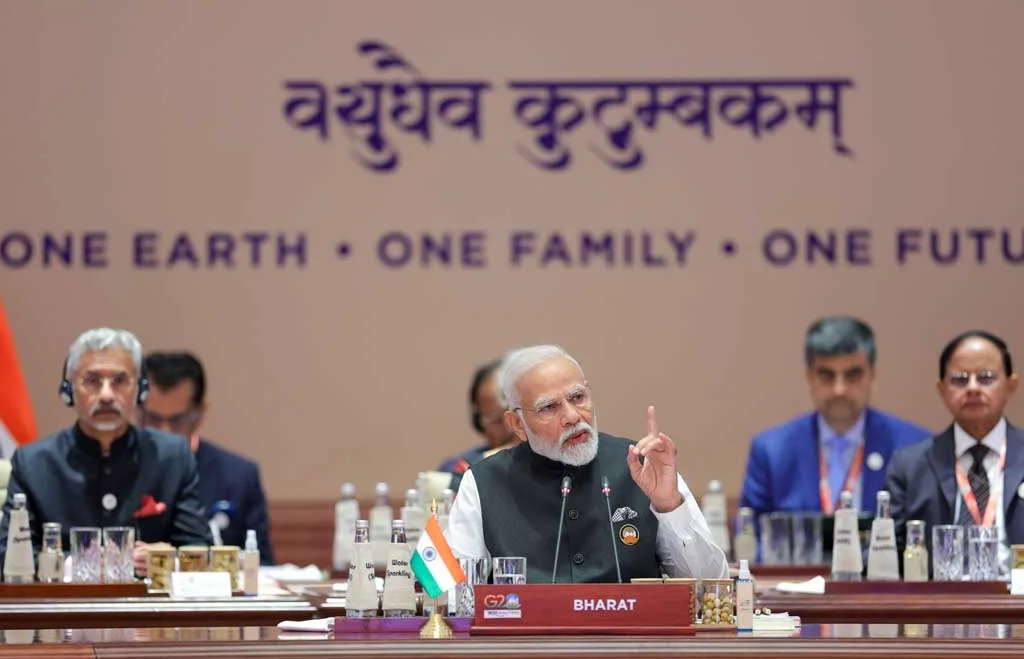
India’s foreign policy in 2025 marks a clear break from its earlier soft-power orientation, shifting toward overt coercion and interference. Once seen as a restrained global actor, India now increasingly relies on hard power, diplomatic pressure, and transnational repression to shape external outcomes. Through cases in Canada, Pakistan, Bangladesh, and Türkiye, this article shows how India has adopted a more assertive—and often destabilizing—approach to protect its expanding ambitions, using tools ranging from foreign interference to military escalation and economic coercion.