
India’s Broadcasting Advisory and the Crisis of Media Credibility
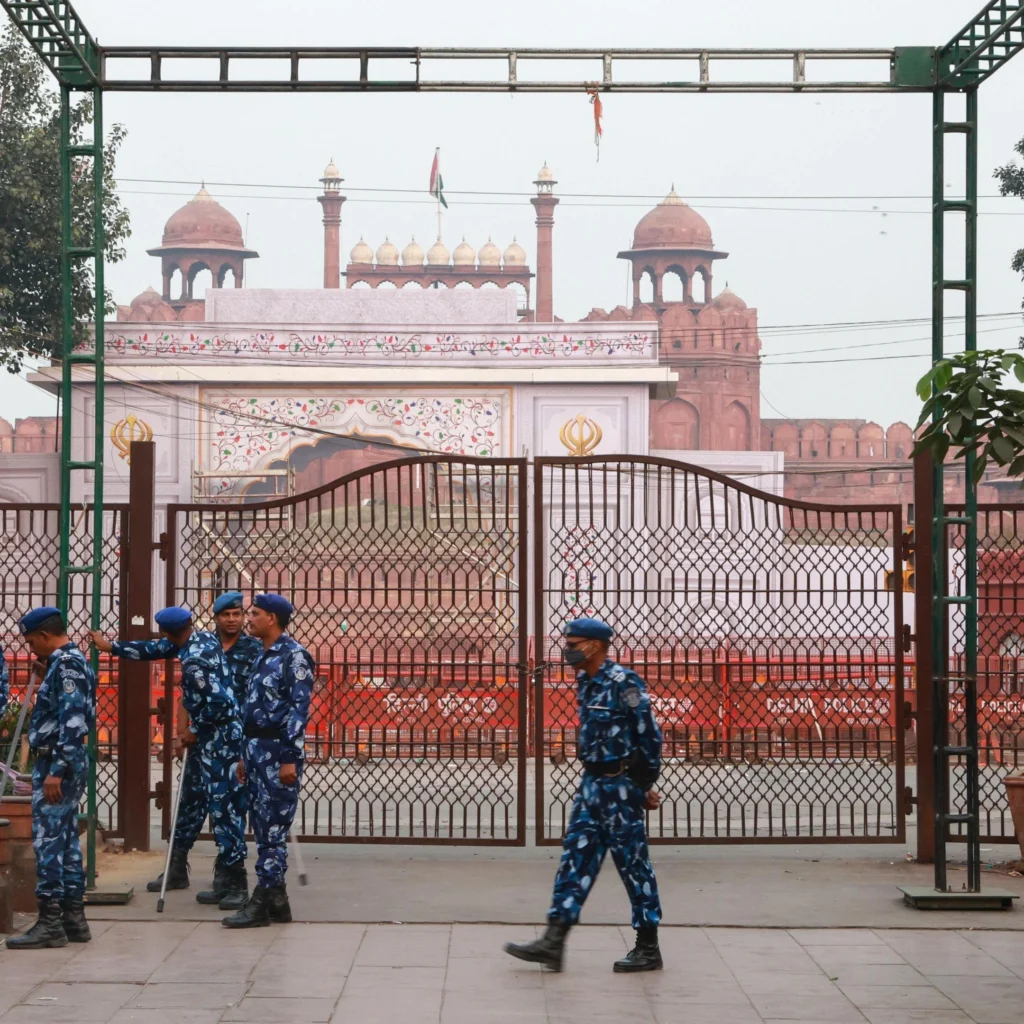
The Red Fort blast and the Ministry of Information & Broadcasting’s subsequent advisory have reignited debate on India’s declining media standards. Sensationalism, unverified claims, and AI-driven misinformation overshadowed responsible reporting, revealing a deeper structural crisis within Indian journalism and its growing vulnerability to political influence.
Digital Deception
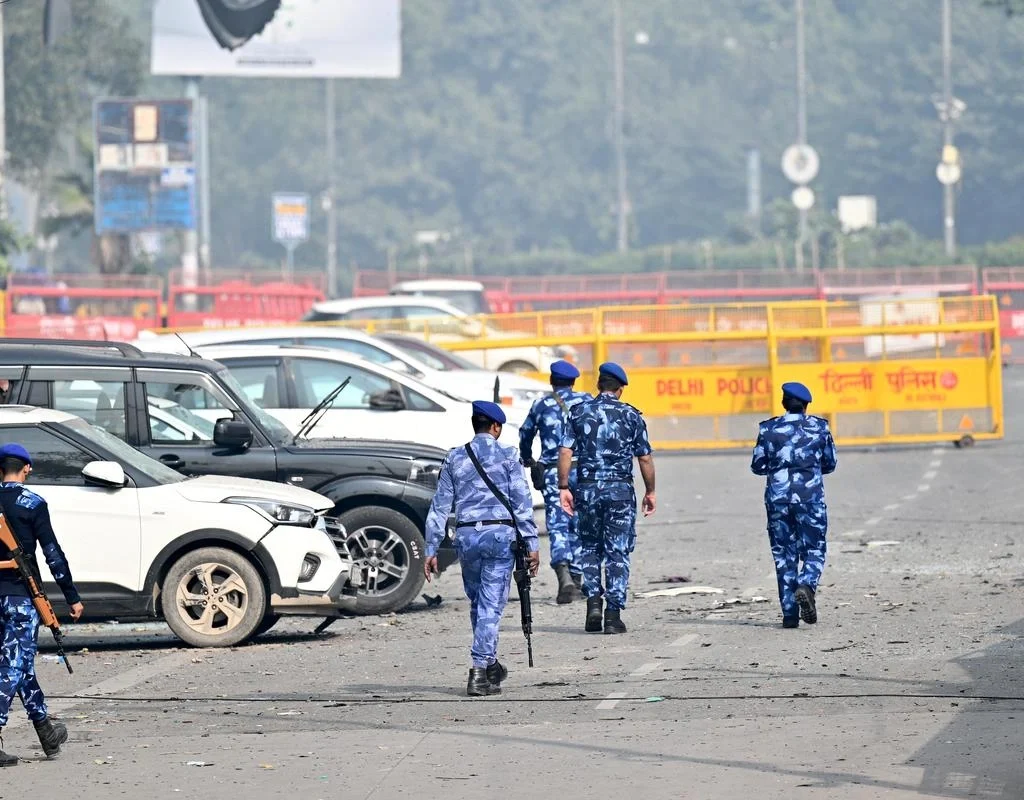
The viral video alleging to show a Delhi blast suspect has sparked renewed debate on AI-driven disinformation. Forensic inconsistencies, ideological distortions, and the Indian media’s rush to broadcast the clip suggest a manufactured narrative aimed at securitizing Kashmiri identity and reshaping public perception through synthetic reality.
A Temporary Equilibrium: India–Taliban Engagement and the Limits of Transactional Diplomacy
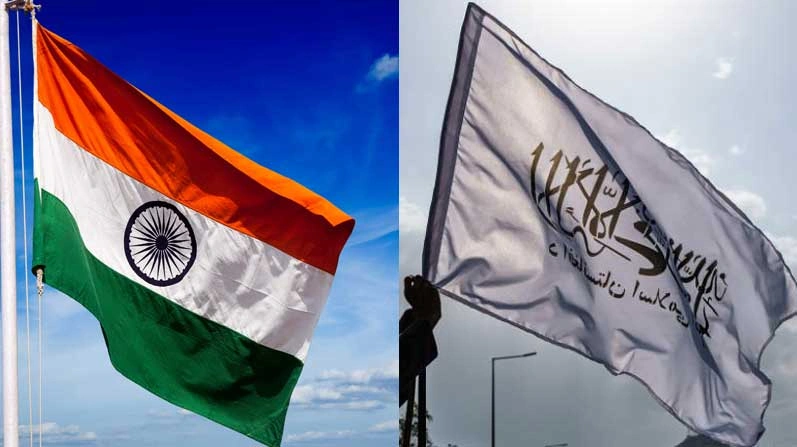
The visit of Afghanistan’s commerce minister to New Delhi signals a cautious thaw in India–Taliban ties, driven by mutual short-term imperatives. Yet four decades of path dependence, ideological hostility, and the AQIS–Taliban nexus render the détente fragile—more a tactical pause than a strategic reset.
The Tragedy of the Boat: Awami League’s Rise and Fall
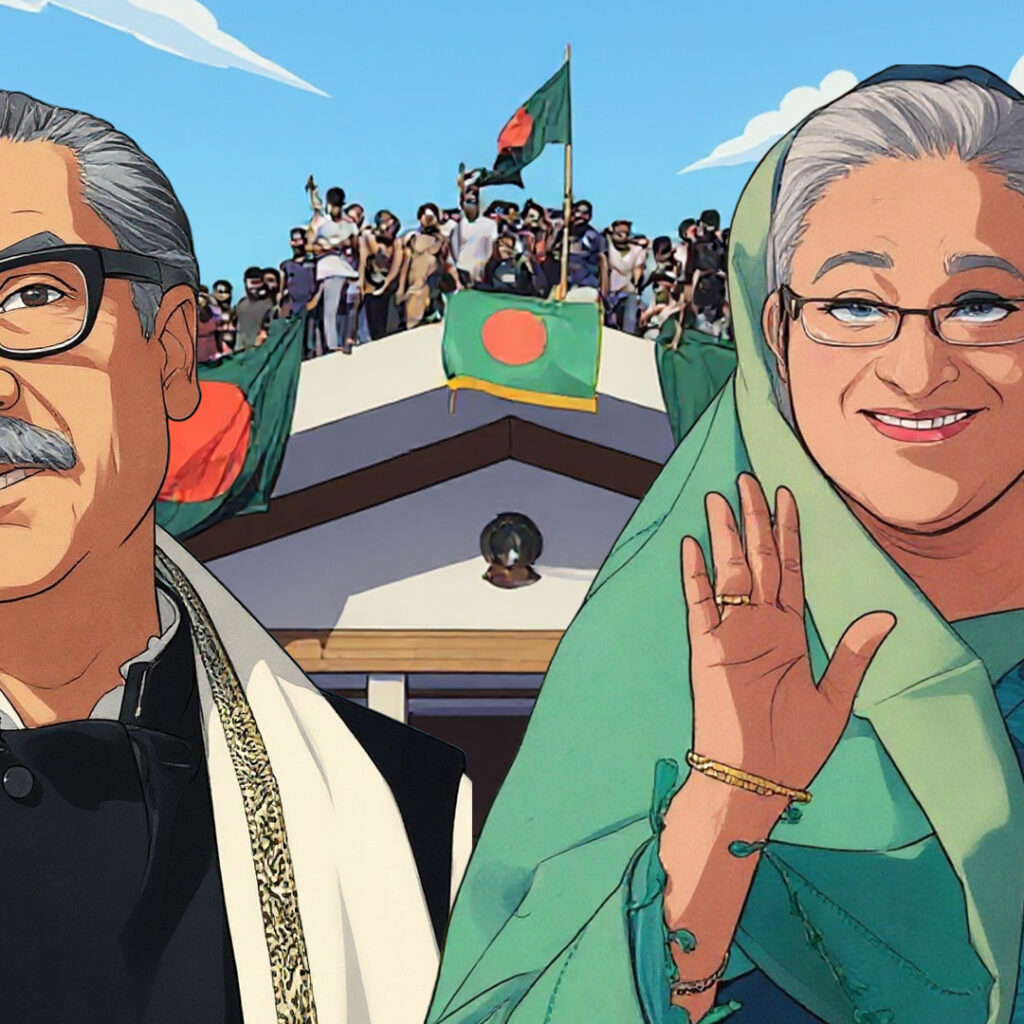
The rise and fall of the Awami League is a story of nationalism turned inward, power hardened into authoritarianism, and a political movement ultimately consumed by the very forces it once harnessed. From its separatist origins in the 1960s to the iron-fisted rule of Sheikh Hasina, the party’s arc ends with an extraordinary reversal: the International Crimes Tribunal sentencing Hasina to death in absentia. The party that delivered independence now stands condemned, morally, legally, and historically, under the weight of its own contradictions and its fateful overreliance on India.