
Zabihullah Mujahid’s Bizarre Statement on TTP: A Lesson in Hypocrisy and Evasion
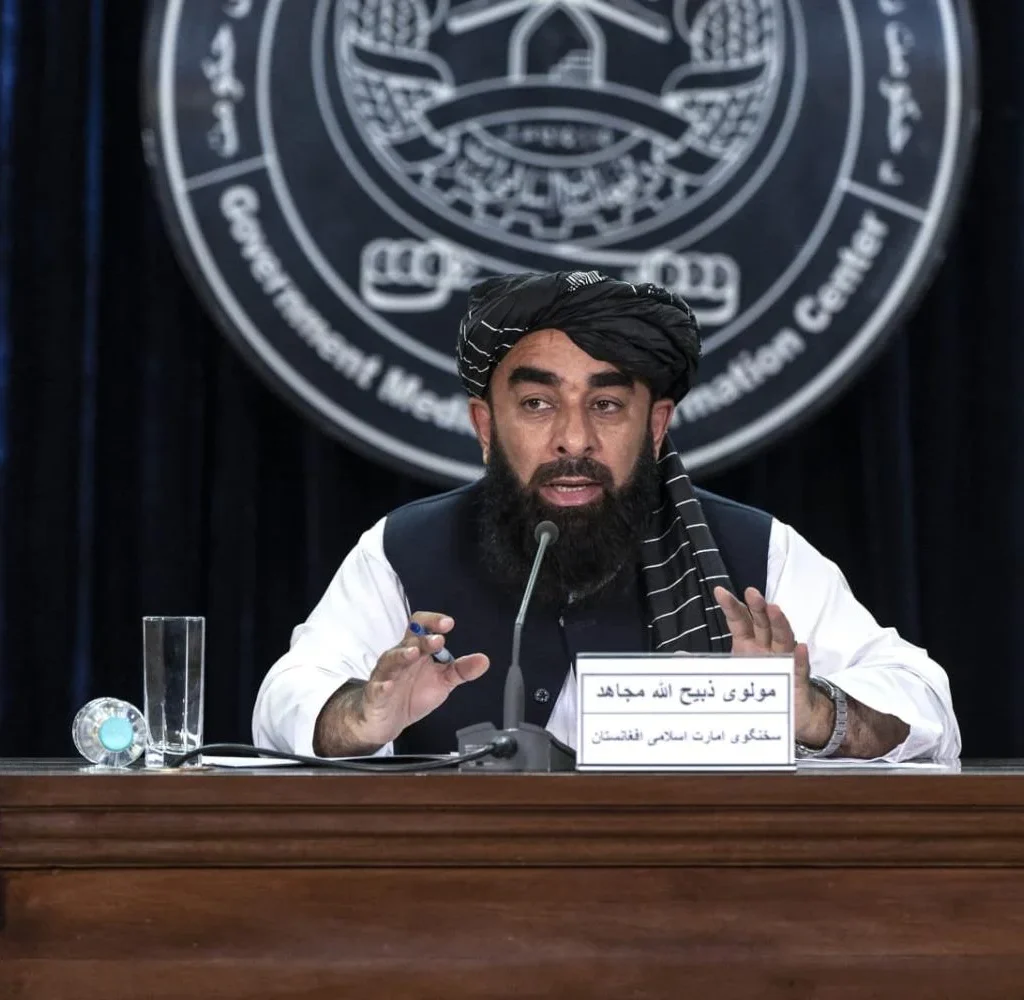
Zabihullah Mujahid’s recent statement dismissing the TTP as Pakistan’s “internal issue” and claiming Pashto lacks the word “terrorist” is a glaring act of evasion. By downplaying a UN-listed militant group hosted on Afghan soil, the Taliban spokesperson attempts to deflect responsibility, despite overwhelming evidence of TTP sanctuaries, leadership, and operations in Afghanistan. His remarks reveal not linguistic nuance, but calculated hypocrisy and political convenience.
Pakistan-Only? The TTP’s Transnational Reality
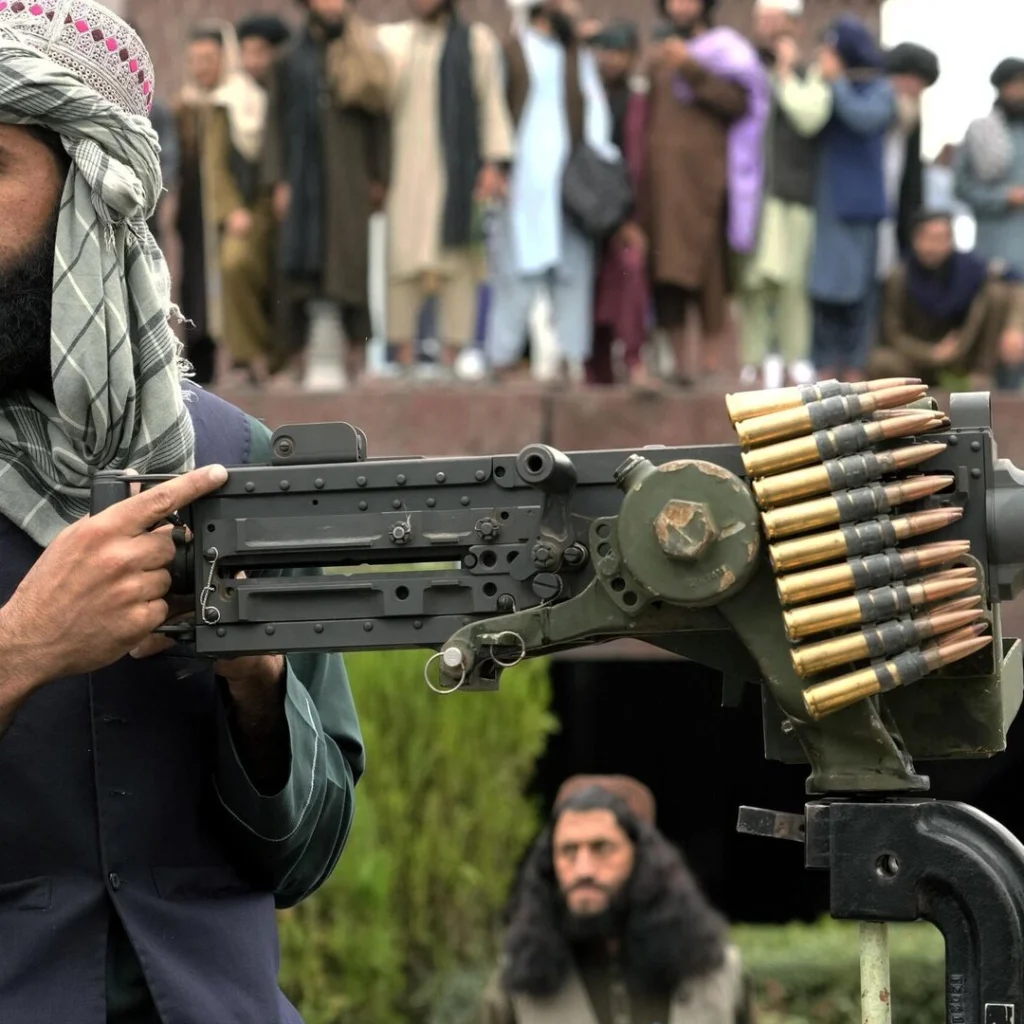
While the TTP publicly claims its insurgency targets only Pakistan, evidence reveals a transnational reality. Supported by Afghan fighters and resources, and shaped by the Afghan Taliban’s strategic interests, the TTP exemplifies cross-border proxy warfare. Understanding its structure, motivations, and operational networks challenges simplistic “Pakistan-only” narratives and underscores the enduring complexities of South Asian security.
TTA-TTP Nexus: Strategic Alliance or Compulsion?

Insights from SAT’s X Space on whether the TTA-TTP bond is strategic or circumstantial, exploring ethnic ties, militancy roots, and policy options.
Centralized Power and the Core–Periphery Divide in Afghanistan

The Islamic Emirate of Afghanistan’s return in 2021 brought rapid consolidation of power, but also the revival of a historical flaw. By concentrating authority in the hands of southern Pashtun elites, the Taliban have recreated the core–periphery divide that has destabilized every Afghan regime since the 19th century. This hyper-centralization, rooted in ethnic exclusivity and Kandahar dominance, risks a repeat of past collapses as non-Pashtun regions turn toward functional autonomy.
When Insurgents Rule: The Taliban’s Crisis of Governance
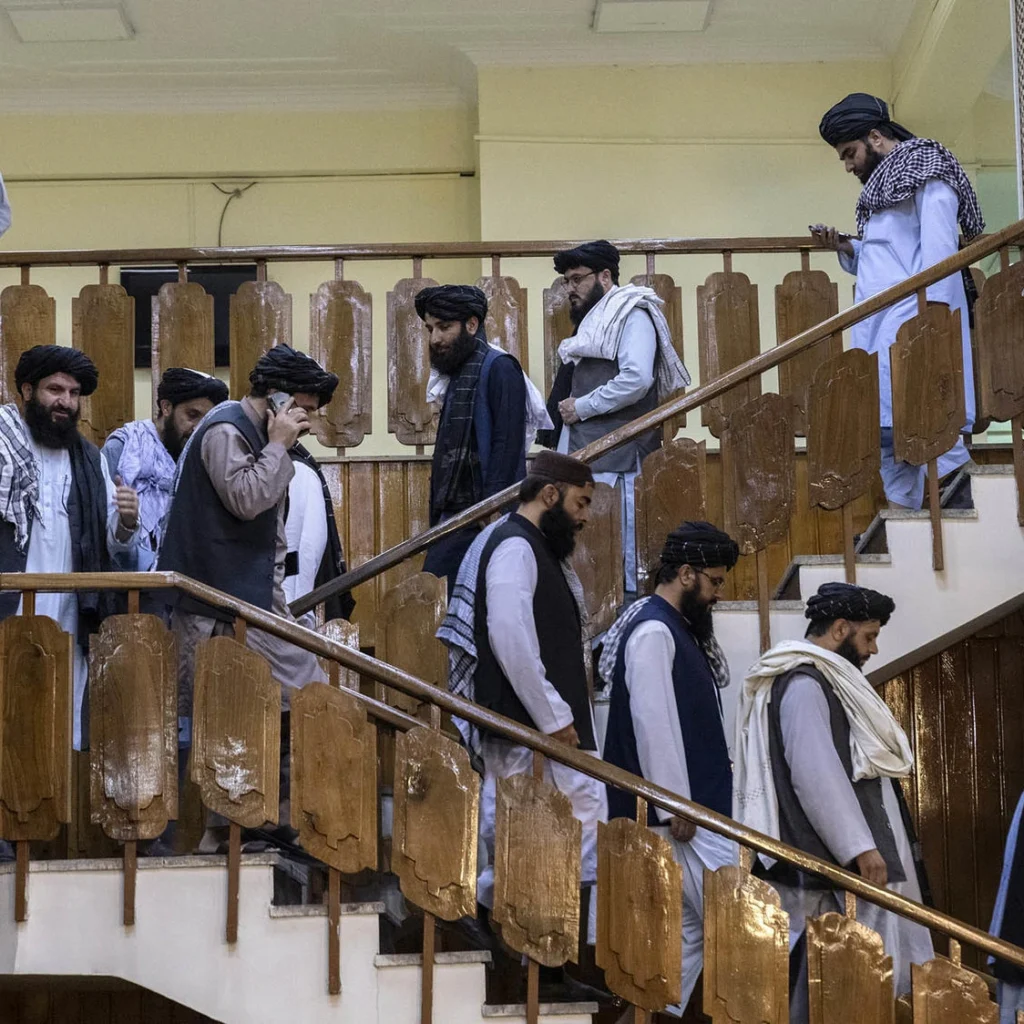
The Taliban’s confrontation with Pakistan reveals a deeper failure at the heart of their rule: an insurgent movement incapable of governing the state it conquered. Bound by rigid ideology and fractured by internal rivalries, the Taliban have turned their military victory into a political and economic collapse, exposing the limits of ruling through insurgent logic.
Legitimacy, Agency, and the Illusion of Mediation
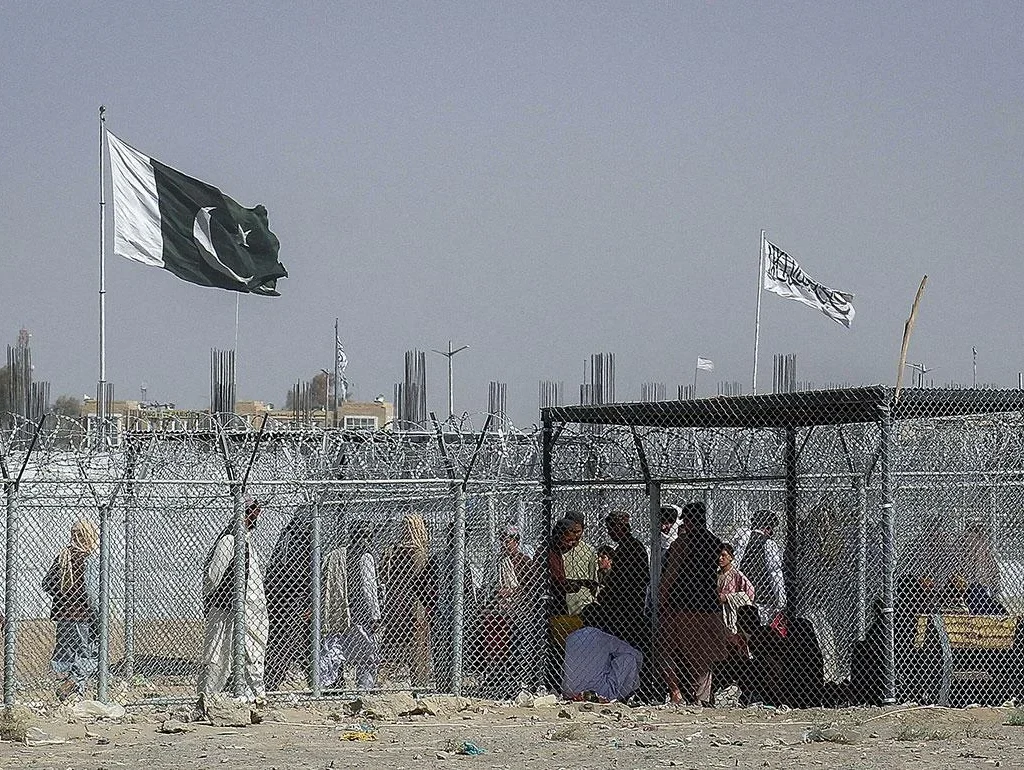
The recent talks in Turkey, attended by Afghan representatives, exposed the delicate politics of legitimacy and agency in Pakistan-Afghanistan relations. By rejecting the Taliban’s proposal to include the TTP, Pakistan safeguarded its sovereignty and avoided legitimizing a militant group as a political actor, preserving its authority and strategic narrative.
The Instrumentality of Asymmetry: Taliban Hedging and Pakistan’s Compounded Security Dilemma
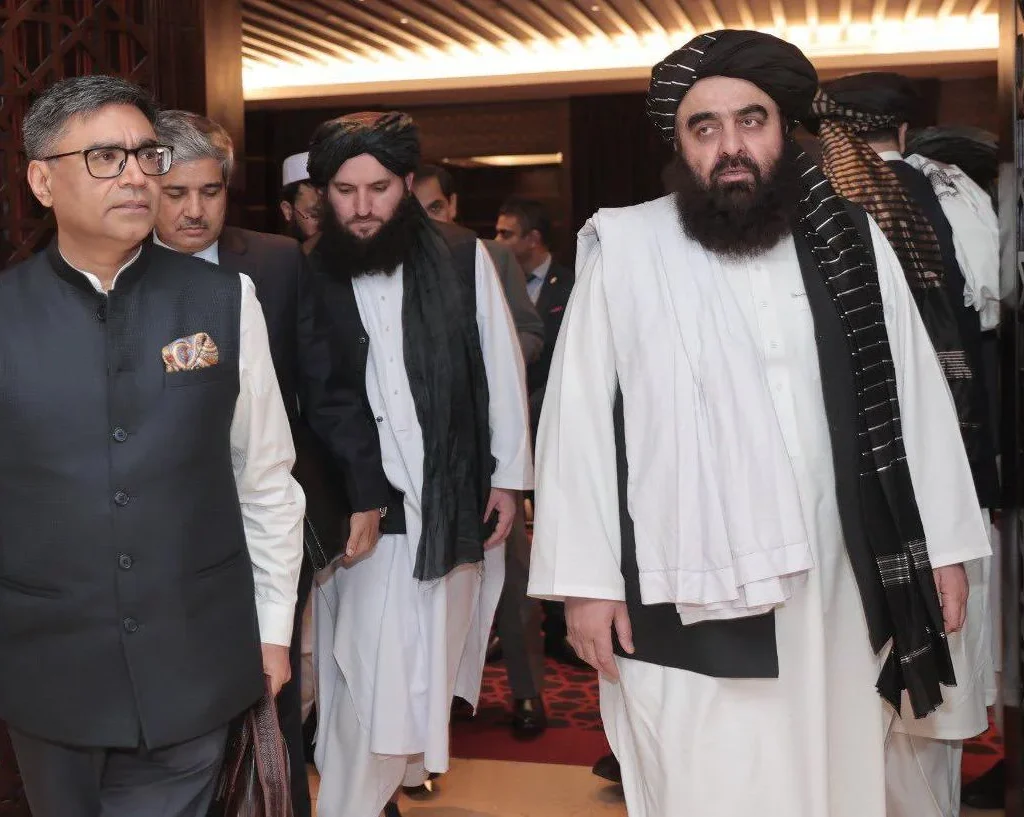
The security architecture of South and Central Asia is undergoing a significant realignment, the implications of which are crystallizing along the Afghanistan-Pakistan border. To view the Afghan Taliban’s engagement with India and the TTP’s escalation of attacks as disconnected is to miss the emergence of a complex geopolitical dynamic. This signals a fundamental recalibration of regional relationships, forcing Pakistan to confront a renewed and more intricate security dilemma.
Terrorism Beyond Borders: Why the TTP Threat Is Not Pakistan’s Alone
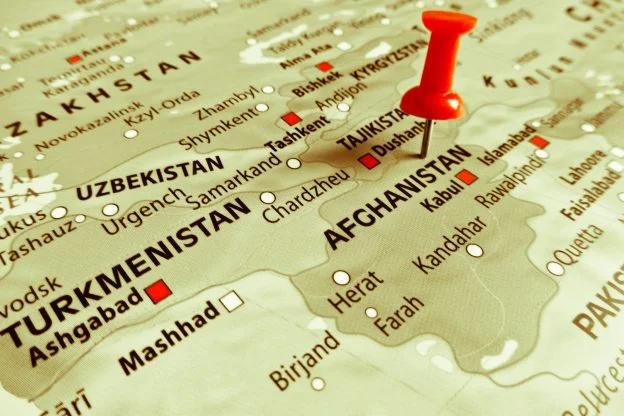
The resurgence of Tehrik-i-Taliban Pakistan (TTP) under the Taliban’s ideological protection is reactivating global terror networks across South and Central Asia. This op-ed explores how the TTP’s links with al-Qaeda, ISKP, and TIP make it a transnational threat, one that endangers U.S., Chinese, and regional interests alike, not just Pakistan’s stability.
Between Security and Privacy: Contextualizing Amnesty’s Claims on Pakistan’s Surveillance

Amnesty International’s Shadows of Control paints a bleak picture of Pakistan’s digital surveillance. Yet by sidelining the country’s acute security challenges, dismissing existing legal safeguards, and overlooking its own credibility issues, the report offers a partial and misleading narrative. A more balanced approach requires situating surveillance within Pakistan’s counterterrorism imperatives and recognizing the global double standards at play.
The Unholy War: Religious Consensus Against Insurgency in Pakistan
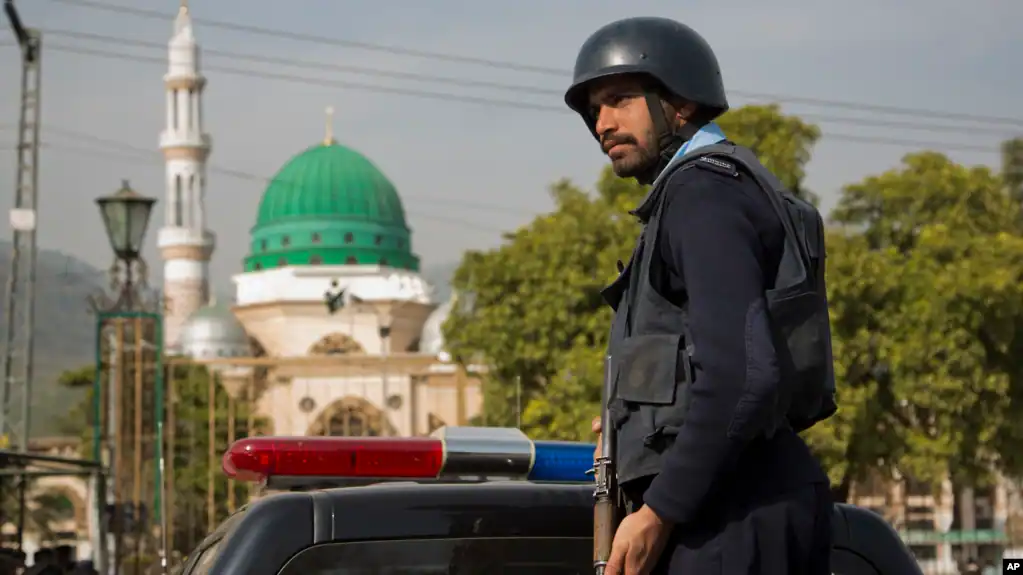
For two decades, Pakistan has endured TTP-led violence. Now, a rare consensus among Deobandi, Barelvi, and Ahl-e-Hadith scholars delegitimizes the insurgency and redefines jihad versus rebellion.