New Woes for Pakistan International Airline

New Woes for Pakistan International Airline

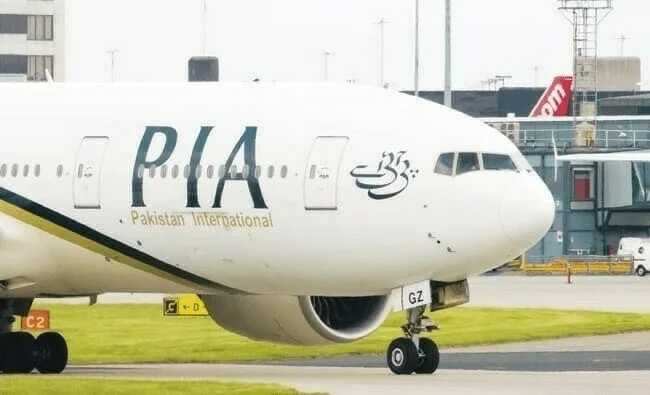
Pakistan’s national carrier, Pakistan International Airline (PIA), on Thursday, issued a statement announcing its decision to ground 150 pilots after a probe following last month’s plane crash in Karachi which claimed 97 lives. The spokesperson for the airline, Abdul Hafeez, reiterated that safety was PIA’s top priority and that a process to scrutinize pilots unfit to fly had been initiated.

Pakistan International Airline made this announcement after the aviation ministry released appalling figures. As per Ghulam Sarqar Khan, the aviation minister, 262 out of 860 pilots were holding fake licenses.

Such a statement caused quite a stir in the country, especially for the families of those who perished in the crash. It is important to keep in mind that Pakistan has one of the highest numbers of air crashes over the past decade as compared to any other country.

No details about alleged cheating methods or issuance of bogus certificates from the PCCA, the Pakistan Civil Aviation Authority was released following the statement. However, some officials, who spoke anonymously, have shed light on how many pilots have bribed their way through exams-implying that they have the skills to fly aircraft, but lack the relevant technical knowledge. They also gave details of four pilots fired from PIA over false certifications.

After the outcry on the crash, Pakistan announced further investigations into the matter. The ministry released its preliminary findings on Wednesday. About the crash, the Aviation Minister said that both, the pilot as well as the first officer of the plane, were qualified and medically fit to fly. However, the pilot failed to complete a landing attempt and ignored repeated warnings from the Air Traffic Control. Upon his second attempt, he ignored the warnings. It is also apparent that ATC did not inform the pilot of the damage caused to the aircraft’s engines after it’s the first failure landing failure. The PIA spokesperson also mentioned that notices were being issued to pilots whose paperwork seemed incomplete or shady.

News Desk

Your trusted source for insightful journalism. Stay informed with our compelling coverage of global affairs, business, technology, and more.

Recent

A critical analysis of Drop Site News’ report alleging a UK–Pakistan “swap deal,” exposing its reliance on anonymous sources, partisan framing, and legally impossible claims.

Anonymous Sources, Big Claims, Thin Ground

A recent Drop Site News report claims a covert UK–Pakistan exchange of convicted sex offenders for political dissidents. But a closer look shows the story rests on hearsay, anonymous insiders, and a narrative shaped more by partisan loyalties than evidence. From misrepresenting legally declared propagandists as persecuted critics to ignoring the legal impossibility of such a swap, this report illustrates how modern journalism can slip into activism. When sensational claims outrun facts and legality, credibility collapses, and so does the line between holding power accountable and manufacturing a story.

Read More »
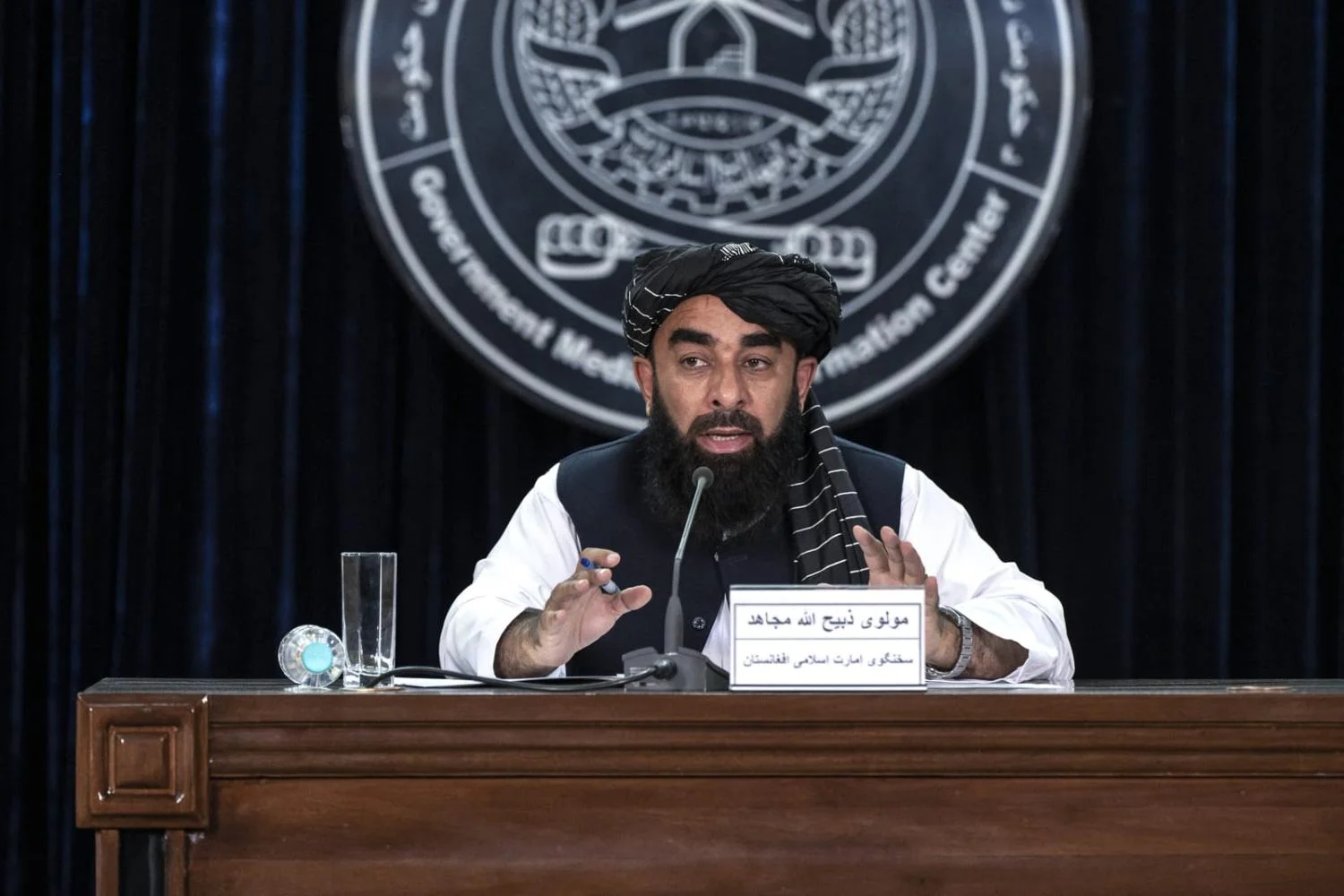
A sharp critique of Zabihullah Mujahid’s recent evasive remarks on the TTP, exposing Taliban hypocrisy and Afghan complicity in cross-border militancy.

Zabihullah Mujahid’s Bizarre Statement on TTP: A Lesson in Hypocrisy and Evasion

Zabihullah Mujahid’s recent statement dismissing the TTP as Pakistan’s “internal issue” and claiming Pashto lacks the word “terrorist” is a glaring act of evasion. By downplaying a UN-listed militant group hosted on Afghan soil, the Taliban spokesperson attempts to deflect responsibility, despite overwhelming evidence of TTP sanctuaries, leadership, and operations in Afghanistan. His remarks reveal not linguistic nuance, but calculated hypocrisy and political convenience.

Read More »
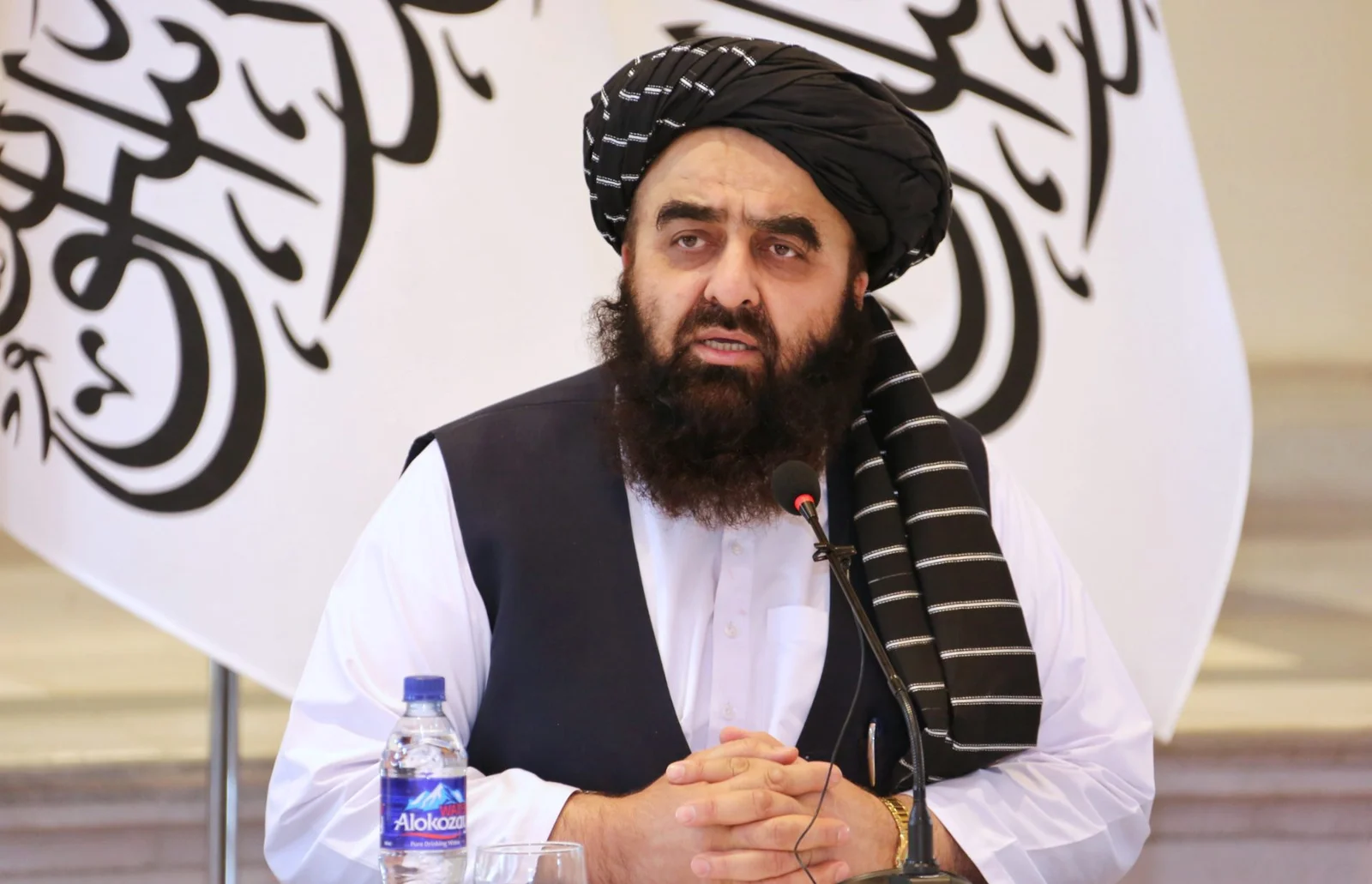
Beyond the Rhetoric: What Muttaqi’s Address Reveals About Afghan Policy

Beyond the Rhetoric: What Muttaqi’s Address Reveals About Afghan Policy

Interim Foreign Minister Amir Khan Muttaqi’s recent address sought to reframe Afghanistan’s strained ties with Pakistan through a narrative of victimhood and denial. From dismissing cross-border militancy to overstating economic resilience, his claims contradict on-ground realities and historical patterns. A closer examination reveals strategic deflection rather than accountability, with serious implications for regional peace and security.

Read More »
We Want Deliverance

We Want Deliverance

Political mobilization in South Asia is not rooted in policy or institutions but in a profound yearning for deliverance. From Modi’s civilizational aura in India to Imran Khan’s revolutionary moral narrative in Pakistan, voters seek not managers of the state but messianic figures who promise total transformation. This “Messiah Complex” fuels a cycle of charismatic rise, institutional erosion, and eventual democratic breakdown, a pattern embedded in the region’s political psychology and historical imagination.

Read More »